Anecdotes and Perspectives
by Eliot Goldman, an American Now Residing Abroad
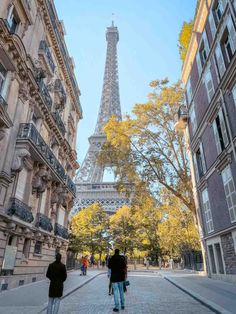
Have you wondered what it would be like to live and work in Paris?
I know I’ve been curious! I have a friend living there, who can provide insights on how life there differs from life in the United States.
Eliot Goldman is my old friend and colleague dating back to our years spent working at DEC. Eventually, I started a new path as an independent Human Resources consultant, and Eliot relocated to begin a new life and career in Paris.
I’m excited to be able to share Eliot’s reflections and experience in the form of enjoyable, informative anecdotes he’s creating for readers of Friends of Rosanna M Nadeau, a Facebook webpage. Readers will find these anecdotes listed in the order in which Eliot wrote them for us, most recent story first.
We look forward to comments and questions! Eliot will enjoy responding and engaging in discussions.
With many thanks and great appreciation, let us begin. Thank you, Eliot!
Let The Stories Begin!
Final Blog Post: April 20, 2025
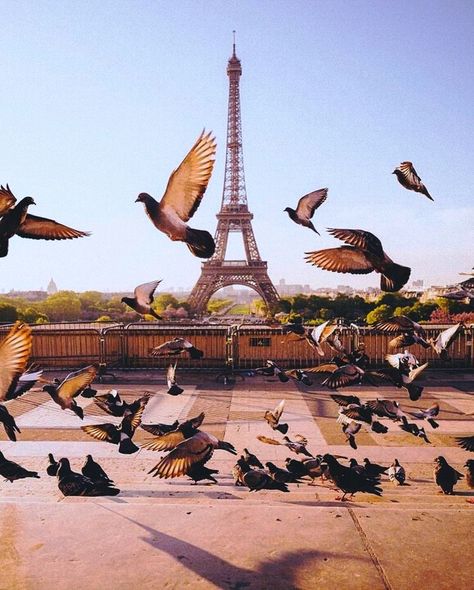
Hello, All,
The PARIS column by Eliot Goldman is being retired! We thank Eliot for all of his wonderful stories and insights about life in Paris and wish him well!
I’ve greatly enjoyed Eliot’s perspective and lessons tucked into informative, engaging writings that so often stirred the imagination and brought so much value to our page.
Please join with me in wishing him a fond farewell and all the best in his retirement.
Blog Post: April 16, 2025
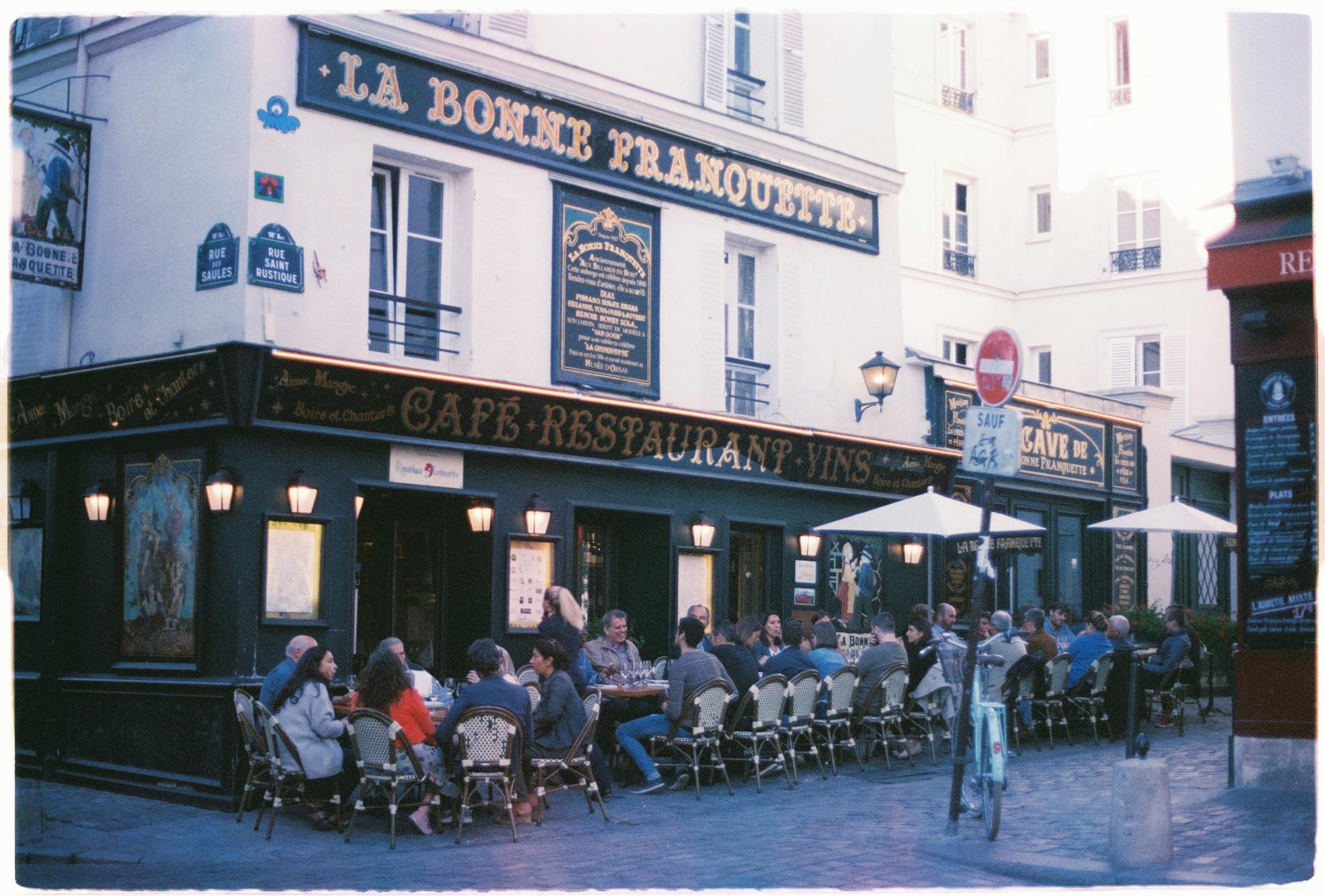
Sundays in Paris remind me of what Sundays used to be when I was growing up in Massachusetts when we still had the “Blue laws.” In France, aside from shops that sell food and wine and drug stores, most businesses are closed. But food shopping here is different as well. We still have grocery stores, but we also have butcher shops, fish markets, bread bakeries, pastry shops, cheese shops, fruit and vegetable stores, and chocolate shops.
Shopping malls with chain stores are a recent addition to local commerce, and in Paris, a lot of them are in renovated train stations. As a result, Sunday is not a day for hanging out at the mall. There are other things to do.
A Parisian Sunday is divided into three distinct and quite different moments/Sunday morning, Sunday early afternoon, and Sunday late afternoon.
In some sections of Paris, Sunday morning is also market day, and the sight of all the stalls displaying all their foodstuffs is itself a feast for the eye. I live near the rue de Lévis, which is a permanent market street as it is lined on both sides with a series of shops and stalls. Food shopping on the rue de Lévis on a Sunday morning, particularly when the weather is nice, is really special: the street seems to take on a life of its own. People will be far more numerous than usual – of course – but this is rare enough to be pointed out – they will be walking at a leisurely pace.
Weather permitting, cafés will set up tables and chairs, all of them taken up by Parisians sipping cups of espresso or glasses of beer depending on the season. Street musicians are serenading you with varying degrees of talent. Men and women are selling bunches of flowers in the street: now, it’s daffodils – a sure sign that spring is on the way.
But it is inside and around the food shops that Sunday morning is truly celebrated. In the rue de Lévis, there are at least five boulangerie-patisserie, each of them baking and selling bread and pastry. One of them is certainly better than the others, as can be easily guessed by the long line of patrons waiting patiently on the sidewalk. A pastry for dessert for Sunday dinner is almost an institution in France, and so anyone leaving the shop will be carrying a loaf of bread (most often a baguette) in one hand and in the other, the very familiar and very precious square white box containing the pastry.
Walking past the windows or stalls of caterers is also enough to make you put on weight just by inhaling the fumes or by looking at the gorgeous display – reminiscent of a still life by a Flemish painter – composed of patés, croustades, stuffed seashells, roasted chickens, roasted suckling pigs, eggs in aspic and festoons of sausages.
The second part of the day begins at about 2 PM, when people have eaten the last crumb of pastry, licked their plates clean, and sipped the last drop of espresso from their cups. Then they leave home, in families, couples, groups, or alone to pour out along the banks of the Seine, the Quartier Latin, around Notre Dame, into the Jardins de Luxembourg or the Tuileries or line up for films of the major museums of the capitol or simply sit at a café terrace in order to indulge in that most Parisian activity: watching people, while having a drink.
Now, Notre Dame, les Tuileries, and the major museums are usually mobbed with tourists as they are mentioned in every single guidebook. So, they are not representative of how Parisians spend an early Sunday afternoon. The banks of the Seine (les quais) are not rated as major landmarks, and on a Sunday afternoon they are a favorite hangout for a large part of the Parisian population and provide a precious atmosphere of safety, gentleness, and family life.
They are also closed to traffic, giving hikers, joggers, and cyclists a field day for practicing their favorite sports. As cars and motorcycles are banned, young couples stroll along with their toddlers. Families with kids ranging in age from four to ten or twelve years of age will go cycling quietly, or if more athletic, will go roller skating. In the midst of all that din, you will have the refreshing site of young lovers walking hand in hand and then coming to an unexpected stop for a passionate hug or an even more passionate kiss, and sometimes as if life wanted to give us a brief but powerful metaphoric insight, you will see an elderly couple sedately walking arm in arm just a few yards ahead of their former and younger selves.
And so, without even noticing it, you reach the fateful moment of late afternoon, when suddenly people realize they have to go back home, and there will be traffic snarls everywhere, and the Métro and buses will be overcrowded. Suddenly, the charm is broken; the ceasefire has ended; faces become surly; eyes start glaring, and you can feel the atmosphere becoming as tense as the bodies. But Monday through Friday will soon pass, and before you know it, it will be Sunday again – Bon Dimanche (Happy Sunday).
Blog Post: April 9, 2025

Social scientists have labeled some of the major changes in our lives as transitions. Loosely defined, a transition is a major change in life that begins with an ending and ends with a beginning. On a personal level, things like marriages / divorces, promotions at work / losing a job, death of a loved one / birth of a child are transitions. It’s fair to say that transitions are personal, but that we are not the first people to have this happen. There are almost always advice books and different types of therapists to help us cope with the change and create a new beginning.
Then there are also the times of sudden global change when we’re no longer sure of everything we thought we knew, and there are no therapists. In my life, three moments stand out: that assassination of President Kennedy, the World Trade Center and Pentagon terrorist attacks on September 11, 2001, and the first months of President Trump’s second term of office. For me, all of these have been times that I wish hadn’t happened, and when there was no available advice on what individuals might do to make things better. A significant difference for me was that I was a college sophomore in the US when President Kennedy was assassinated, but living in France for the September 11th terrorist attacks, and the beginning of the second Trump term of office.
I remember what occurred in France on September 11th and the days that followed. The terrorist attacks were the only story in the news that day. The government ordered all French flags flying on public buildings nationwide to be lowered to half-staff until the following Friday in sympathy and solidarity. There was the same sense of sympathy and solidarity among the French as there was among Americans. When the attacks took place, it was the middle of the afternoon in France. When the news became widespread, a steady stream of French colleagues came into my office to see if I knew, if I was alright, if I had family or friends living or working in the areas attacked, but mostly they came just to express their feelings of horror and sympathy. As I was one of the few Americans working there, at that time, I represented America to them, and they felt that by sharing what they felt with me, it would be like sending a card or flowers to the USA. Many members of my wife’s family called to make sure that none of the members of my US family were victims.
The reactions to the attacks on the US showed once again how important the US is to non-Americans. For people of good will and for people of unspeakably evil intent, America has been a symbol and a certainty: for the last 80 years, one of the stable elements in a changing world. I’m not sure most Americans understand just how much of a symbol we are and what it means to the rest of the world, when the US does the unexpected.
But there’s another important difference. Yes, French colleagues came to me to express their feelings about September 11th. I represented America to them. The French had an entirely different reaction to President Trump’s starting a trade war. To say that the French are unhappy about Trump’s tariff policies doesn’t match the intensity of their emotion. In my conversations with them, they are angry with the US government, but not with the American people. Compare that with the war against Iraq when the French refused to join the US coalition, and the US government referred to them as “Cheese-eating surrender monkeys,’ and relabeled French fries, freedom fries. This difference, separating judgment of a people from judgment of a government elected by the people, was something new for me. Maybe, we should adopt it in the US.
I have found that one of the best ways to learn about your own country is to live somewhere else just because you become aware of differences. Whenever you notice a different way of doing something, you think, ‘That’s different: I wonder why they do it that way and not the way we do it back home.’ If you’re curious, you can find out, which leads you to think that either they’d be better off doing things the US way or the US would be better off doing things in the same way as where you’re visiting. Either way, you’ve learned something new and maybe have a deeper understanding of your own country.
Blog Post: April 2, 2025
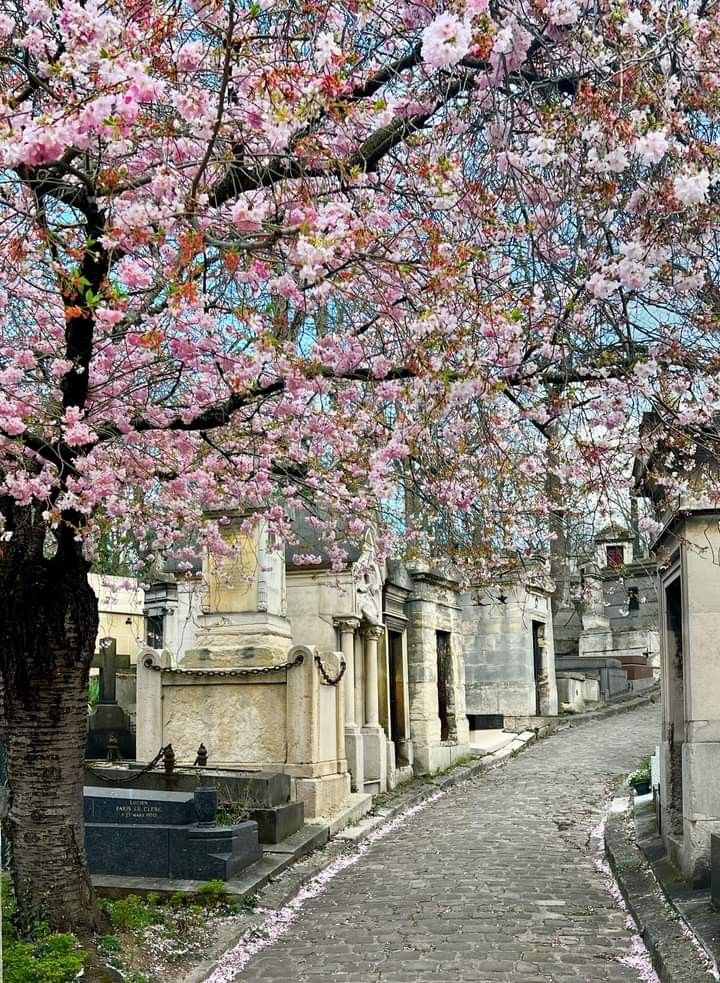
Père Lachaise cemetery
In a recent article, I described the differences between English or American parks and French parks: how the English try to imitate a natural setting in a cityscape and the French try to use natural elements such as trees, flowers, and grass to show that humans can make better designs with these elements than Nature itself.
The other day, while walking through a large Paris cemetery, it struck me that the difference in park design carries over to cemetery design. Unlike American graveyards, French cemeteries are characterized by architectural extravagance and abundant vegetation. The former is probably due to aristocratic influences and the reaction of Catholic countries to the Protestant reformation; the latter from an imperial idea – the garden cemetery. But the different approaches raise the question of how we memorialize and honor the dead.
As a result of the design and landscaping, Parisian cemeteries have become tourist attractions. I’ve lived in several places in the US, but I don’t remember any of the cemeteries as places where tourists would want to visit. OK, there’s the Granary Burial Ground on Boston’s Freedom Trail.
Let’s take one Parisian example, the largest Parisian cemetery: Père (Father) Lachaise. Père Lachaise was Louis XIV’s confessor. He had lived on the property but was not buried there. Some of the more famous people buried there are Chopin (except for his heart, which is buried separately in Poland), Molière, Edith Piaf, Rossini, Simone Signoret, Yves Montand, Gertrude Stein, Alice B. Toklas, Oscar Wilde, Isadora Duncan, Maria Callas, and Jim Morrison.
The Père Lachaise cemetery was created by Napoleon I in 1804 because the capital was badly in need of more space to bury its dead. The best place seemed to be a plot of land belonging to the Jesuits. The government purchased it at a low price as at the time it was outside the city limits of Paris.
Napoleon immediately decided to turn the future cemetery into a modern, pleasant and beautiful space not only to add to his own prestige, but to entice the reluctant Parisians into burying their dead in such a remote place far from any church and the graves of departed worthies. The best way was to make Père Lachaise fashionable, so the coffins of certain celebrities were transported to the new graveyard from their existing burial sites. Small but flamboyant chapels were built to accommodate some ducal or princely bones.
The cemetery is as large as the Vatican City. Jim Morrison’s grave is still the most frequently visited, mostly by crowds of teenagers. Because of its abundant vegetation and high elevation, the cemetery is one of the least polluted areas of Paris. Above all, the architectural extravagance and the elaborate decorations of the chapels, monuments, and tombstones provide tourists with a treasure trove for thematic visits.
Given its size and given human nature (in France, anyway), it is also a site for what might be called dark humor. One example of this was Oscar Wilde’s memorial. Oscar Wilde died in Paris. Apparently, his last words were, “This wallpaper and I are fighting a duel to the death. Either it goes, or I do.” He was too poor to pay for a tombstone, so his friends and admirers commissioned one for his grave. The sculpture is a male sphinx. Although Wilde was gay, he had lots of female admirers who showed their devotion to him by kissing the statue’s genitals, smearing their lipstick. This reached a point where lipstick was attacking the stone, so the city government covered one side of the tomb in plexiglass. Not everyone was pleased with the visible genitals and one day someone took a hammer and chisel and castrated the sculpture. The guard on duty, seeing the result, had to report the incident to the cemetery administration. Now in the official log, you can see the following report: “Oscar Wilde memorial: testicles removed by unknown person.”
A second example is the tomb of Victor Noir, who was murdered by a nephew of Napoleon III in the 19th century. For reasons no one has explained, the sculptor created a statue of Victor lying down with an obvious bulge in the crotch. And for other reasons that defy logic, visiting the tomb became popular for couples having difficulty conceiving children. The tradition developed that the woman would go there and rub the crotch while kissing the lips. There are no records about how many children were born as a result, but both the statue’s lips and crotch show the effects.
Cemeteries provide lessons about how we treat people when they’re dead. I wish we had more that shows us how to treat one another while we’re alive.
Blog Post: March 26, 2025
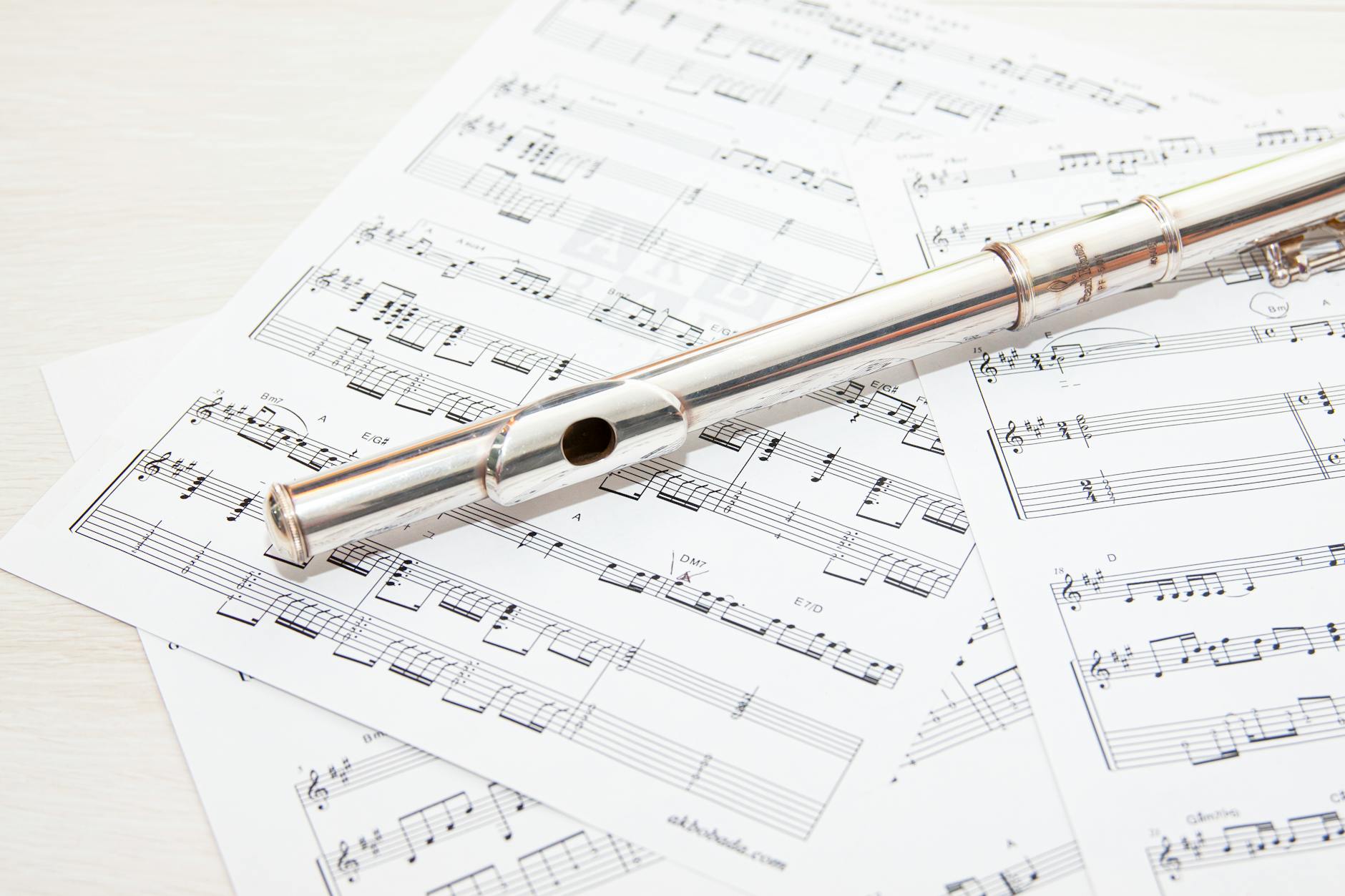
One of the experiences you find in adjusting to life in a foreign country is discovering that something that appears to be familiar isn’t.
Take popular songs for example. I assume that most of you have heard and know some of the words to the song, “My Way,” made famous by Frank Sinatra. The English lyrics were written by Paul Anka, although I’ve never heard a recording of him singing it. The song tells the story of someone nearing the end of their life and being proud of having overcome life’s obstacles: “But through it all, I stood tall and did it my way.”
So, if you were in France and heard someone singing what sounds like the same melody but in French, you might think that they translated, “My Way,” but you’d be wrong. You’d most likely be listening to Claude François singing, “Comme d’habitude,” translation “As usual.” Paul Anka heard this song, thought it had a great melody, but the lyrics, even translated, wouldn’t appeal to an American audience. So, he kept the melody but composed a different song. Here’s the first verse in French and translated into English:
| Je me lève Et Je te bouscule Tu ne te réveilles pas Comme d’habitude Sur toi je remonte le drap J’ai peur que tu aies froid Comme d’habitude Ma main caresse tes cheveux Presque malgré moi Comme d’habitude Mais toi tu me tournes le dos Comme d’habitude | I wake up And I nudge you You don’t wake up As usual I pull the sheet up over you I’m afraid that you are cold As usual My hand caresses your hair Almost in spite of myself As usual But you turn your back to me As usual |
“My Way,” is a song about someone nearing the end of life, proud of what they were able to do. “Comme d’habitude,” is a song about love dying.
Another example is the song, “Autumn Leaves,” sung by many American singers, but primarily made famous by Nat King Cole. Before it became a hit in English, it was a French song, “Les Feuilles Mortes,” (“Dead Leaves,”) sung most famously by Yves Montand. Both songs are about the end of a romantic relationship, but I find the French song a lot more morose. Here are some of the key verses from both songs:
Autumn Leaves:
The falling leaves drift by the window
The autumn leaves of red and gold
I see your lips, the summer kisses
The sun-burned hands I used to hold
Since you went away the days grow long
And soon I’ll hear old winter’s song
But I miss you most of all my darling
When autumn leaves start to fall
Les Feuilles Mortes
| Les feuilles mortes se ramassent à la pelle Les souvenirs et les regrets aussi Et le vent du Nord les emporte Dans la nuit froide de l’oubli Tu vois, je n’ai pas oublié La chanson que tu me chantais C’est une chanson qui nous ressemble Toi tu m’aimais, et je t’aimais Nous vivions tous les deux ensemble Toi qui m’aimais, moi qui t’aimais Mais la vie sépare ceux qui s’aiment Tout doucement, sans faire de bruit Et la mer efface sur le sable Les pas des amants désunis | The dead leaves collect by the shovelful The memories and regrets as well And the North Wind takes them away Into the cold night of forgetting You see, I haven’t forgotten The song that you sang to me It’s a song that resembles us You, you loved me, and I loved you We lived together You who loved me, me who loved you But life separates those who love Softly, without making a sound And the sea erases from the sand The footprints of separated lovers |
Rather than being frustrated at not knowing, think of it as learning one more thing as you adjust to your new environment. Or as Leonard Cohen put it in “Anthem,”: “Forget your perfect offering. There is a crack, a crack in everything. That’s how the light gets in.”
Blog Post: March 19, 2025
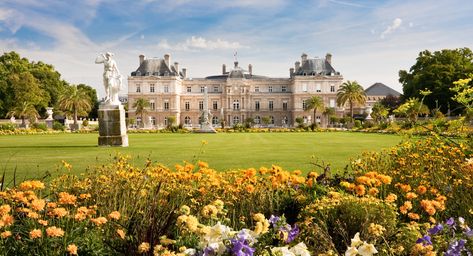
Here’s a question that I imagine hasn’t occurred to most of us. Why do cities have parks?
If you study parks, all of which are man-made in the US or in England, it occurs to you that the town planners wanted to recreate a natural landscape in the middle of an urban setting. If you study parks in Paris, you realize the planners (or somebody) had something else in mind. The US and English idea seems to be that recreating natural settings in a city is somehow beneficial to the city residents.
Carrying that idea to its utter limit makes one think of Henry David Thoreau who left his home in Concord Center to live at Walden Pond. Most Parisian parks are fairly old and date back to the 17th or even the 16th centuries when they were built as private gardens for the royalty and nobility. The idea was not to recreate a natural landscape, but to take natural elements such as trees, shrubs, and ponds, and use them as elements to design something more beautiful than a natural landscape. There were parks created in the 18th, 19th, and 20th centuries, but they were created for the public, and always based on a government plan, whether France was a kingdom, an empire, or a republic.
As a consequence, almost all the parks, no matter how different they are in terms of size or design, share some common characteristics. The first striking element is that they are all fenced-in (sometimes by beautiful iron railings) and closed from sunset to 8 or 9 in the morning by gates that can be truly impressive; e.g., le Jardin du Luxembourg. A second feature is that all the parks designed before the second half of the eighteenth century follow the pattern of ‘Jardin à la Française’ brought to its perfection by LeNôtre – King Louis XIV’s official gardener. The purpose of a Jardin à la Française is to glorify the sway of the king or noble over nature and chaos and show off his wealth and power.
A Jardin à la Française is remarkable for the magnificent vista produced by a long alléé (alley) starting at each entrance, lined with trees of exactly the same size, shape, height, and species. The space between the trees is the same except when the space is taken by the statue of a mythological hero. At least three large artificial ponds will divide an alley at regular intervals. Each pond is surrounded by sculptures of mythological characters. At the center of the middle and largest pond will be a fountain with a sculpted creature spraying water into the sky.
This is typical of LeNôtre’s idea of a royal garden. The concept originated at Versailles and then spread to Paris (le Jardin du Luxembourg) and other places around the capital where members of the royal family or aristocracy lived.
Well into the 18th century, royal or princely gardens had a symbolic as well as social value and function. Being admitted as a guest was of the utmost importance for one’s social status. They served as stages where their owners flaunted their wealth and prestige, and where visitors, in turn, took on some of the glory and magnificence and increased their own feelings of self-importance. Even when a garden was open to the public, as was the case with le Jardin du Luxembourg in 1642 thanks to the generosity of its owner, Gaston d’Orléans (King Louis XIII’s younger brother), it remained a place where you watched and were watched. After its opening to the public, residents of the neighborhood (bourgeois, clergy, writers, and nursemaids) would rent chairs and sit down in the shade to observe and discuss “le beau monde,” aristocrats of both genders, as they engaged in showing off, pretending and performing.
Nowadays, le Jardin du Luxembourg is mainly an oasis of beauty and quiet in the middle of Paris. It is also a very convivial place. Lovers appreciate its benches for hugging and kissing. Single people use chairs: usually two per person, one for the bottom and one for the feet. Aside from sitting there, the occupants might be reading, watching the scenery, or feeding pigeons. Feeding pigeons is strictly prohibited and subject to a fine, but this is France, the country where prohibited actions are more enjoyable. There is also a small restaurant where inefficient waiters serve indifferent food and where chairs, when put outdoors during fine weather, have a dangerous propensity to fall over.
Kings, emperors, and aristocrats continued creating parks in Paris long after the 17th century, but from the late 18th to the beginning of the 20th, the rigor and harmony of le Jardin à la Française were superseded by romantic aspirations and fashion: symmetry and prospects were replaced by fake ruins, small grottoes, bowers, and bridges. Le Parc Monceau, created by the Duc de Chartres in 1744, is typical of the later trend. This same romantic and mysterious atmosphere can be found in Le Parc des Buttes Chaumont (opened in 1867) and Le Parc Montsouris (1870). Le Parc des Buttes Chaumont is one of the few Parisian parks to have hills. Before it was a park, it was a gypsum quarry, and the site of the gallows before the invention of the guillotine. Nowadays, families with toddlers and young kids stroll peacefully along meandering lanes while enjoying the beautiful view over Paris from the top of the butte.
We Parisians love our parks. If you’re planning to visit, add some parks to your itinerary. They are one of the places where you will see more Parisians than tourists.
Blog Post: March 12, 2025
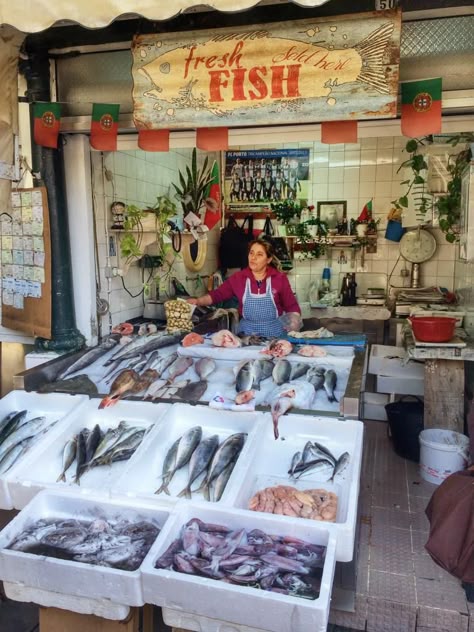
Image Source: Pinterest
As we Parisians live in one of the world’s most crowded cities, we learn how to adjust to living in small spaces and making do without our own cars. One of the things we do differently is food shopping. We do it pretty much every day because we don’t have space in our apartments for large freezers and whatever we buy when we go shopping, we have to carry home because we don’t have cars. If you’re asking how can I live like that, I have two replies. First, I prefer it and second, if my grandmother could do it, so can I. One of the things you would notice in any residential neighborhood is the number of specialized, small food shops. We still have bakeries (boulangeries, pâtisseries), butcher shops (boucheries), cheese shops (fromageries), greengrocers (fruits et légumes), chocolate shops (chocolateries, confiseries), and fish shops (poissonneries).
The shops are not self-service, so what happens inside the shop differs even more from the usual American food shopping experience. Let’s take buying fish as an example. In an American supermarket, you generally buy fish at a fish counter or pre-packaged in a refrigerated case. The person who sells us the fish weighs and wraps the steaks or filets. The steaks and filets are as distant from the animal that provided them as a steak is distant from a cow. For meat, poultry, and fish, we like to separate our food from the animal. We have different words for the animal and the food: for example, cow and beef. I have more than once heard someone say, ” I like eating fish. I just don’t want it staring back at me from the plate.” A typical New England fish market or fish counter at a supermarket has haddock, cod, flounder, trout, salmon, lobster, clams,scallops, oysters, shrimp, and swordfish. When you view them in the case, they look more like the food you’re going to eat than the animal they once were.
I don’t know the English words for all the fish and shellfish I see in French fish markets.I do know that in addition to a everything you can find in a New England market, you also find octopus, squid, sea urchins, snails, sea bream, monkfish, red mullet, gray mullet, rockfish, and eels, plus lots of fish that I only know the French for because I can’t find the translation in my French-English dictionary. For instance, I know what Sandre looks like and tastes like, but I don’t know the English word for it.
When you enter a French fish market, you see fish – fish the animal, not fish the food. There’s typically a display of shellfish: all still in their shells. By buying and eating scallops still in their shells here, I learned that the scallops I ate in New England were minus one of the tastiest parts of the animal – the roe. Then there are the fish, not packaged or behind glass, but laid out on crushed ice, mostly whole fish except in cases like tuna, where the whole fish would be too large to fit in the shop. You don’t know exactly when the fish were caught, but you can do what people have been doing for ages to judge the freshness. You can look at the eyes and the gills and you can smell how fishy the fish smells.
There’s a division of labor in the shop: the salesperson, the cleaners, and the cashier. The salesperson (le marchand du poisson) is like the orchestra leader. You can go to the salesperson and say, “I’m serving a total of six people for dinner and I plan to serve a particular wine with the fish course, and these are the other dishes I’m planning to serve before and after. What do you recommend?” And the marchand du poisson will make a recommendation. He or she will tell you how much to buy and how to prepare it. I’ve noticed that French homes have fewer cookbooks than American homes. One reason might be that the living space is so small that there isn’t room for them. But another reason is that all the different food merchants know how to cook everything they sell. So you don’t just go to buy fish, you also go to get advice on what to do with it. If you’ve ever seen a monkfish or a ray, you’d know why that’s important because looking at them doesn’t really give you a clue as to how to prepare them. Generally, you’re not the only person in the fish market. There are other customers as well as other employees. And, how you prepare your fish is a fit subject for a community discussion. Everyone has their opinion about which herbs to use, whether to cook it with wine, whether to grill, fry or roast it and for how long. It’s considered perfectly appropriate for strangers to butt into your conversation with the marchand du poisson to give their own ideas about the fish you’re preparing. These same strangers will avoid eye contact with you outside the shop because that’s the way life is in this city.
Hopefully, you’re not in a hurry because nearly everyone in the line goes through the same ritual. So by the time the marchand has reached you, you’ve already collected several recipes. The other day, I purchased a sea bass that I wanted to roast. The marchand suggested that the perfect seasoning would be dried wild fennel. He then went to the rear of the shop, found some dried wild fennel and put it into the bag along with the fish. But at this moment, you’ve agreed to buy a fish that still needs to be paid for and prepared for cooking. The marchand delivers the fish to a cleaner who scales and guts it or scales, guts, and filets it. They do not remove the head because here everyone knows, because their mothers told them so, that the only way to prepare tasty fish is with the head attached. The marchand then gives you a ticket with the amount you owe which you tbring to the cashier. You pay the cashier for your fish, tip the fish cleaners, say au revoir to everyone and head home.
So what have you done? Obviously, you’ve bought a fish or a piece of fish. But beyond that you’ve engaged in conversation with complete strangers in a city where people avoid making eye contact as they pass one another every day. Depending on where we live, we weave the fabric of community in different ways and in different settings.
March 5, 2025
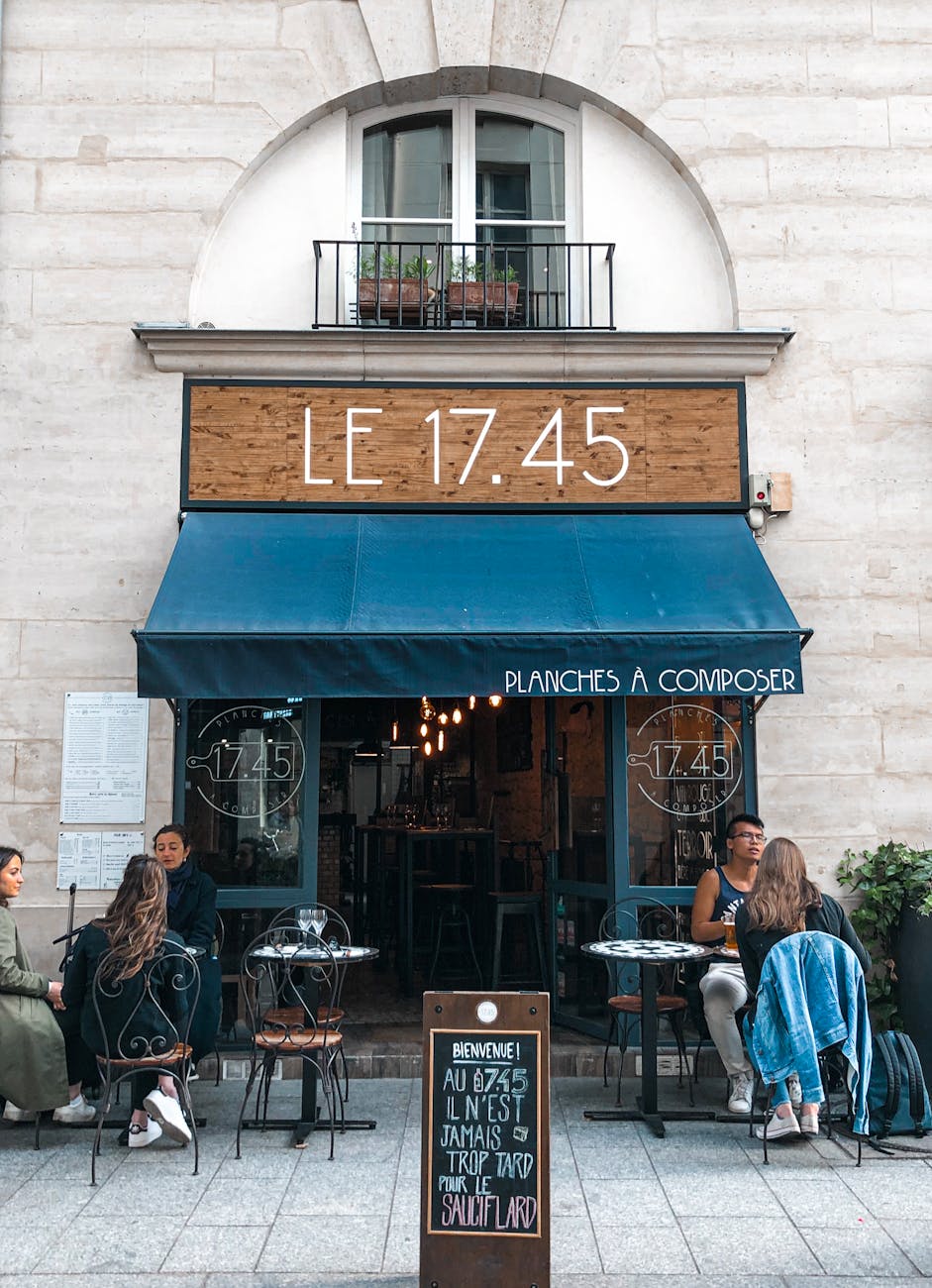
When you move to a foreign country, you learn very quickly that it’s important to know the local language. You probably knew that before moving, but once you’re there you also find that there are some words from your first language that don’t translate comfortably (or at all) into your second language because the item doesn’t exist. One crazy example is for types of beef steak. The T-bone (or Porterhouse) steak doesn’t exist in France because meat is cut up differently. So if you looked up T-bone in an English- French dictionary, either it wouldn’t be there or there would be a description, but no one word translation.
Another word I came across recently that I wanted to look up in an English dictionary is the word flâneur. I first came across the word in a book in French about interesting walks in Paris. Paris is a city best explored on foot, and a flâneur is someone who wanders in an area without a preset plan, going in one direction or another depending on what looks interesting. The French-English dictionary had a one word translation, which to my judgement, was an error. They translated flâneur as loafer or idler. No: the flâneur is exploring the locale because they want to explore the locale.
Paris is a city that invites you to explore it. Not all cities do that or do it as well. Boston has the Freedom Trail, which gives your walk a purpose – a history lesson. For me, the deeper issue here is about whether it’s OK to enjoy yourself. Boston tells you to have a purpose beyond pleasure; Paris tells you to enjoy and to want to learn more by enjoying!
There are other things here that make it easy for you to explore and enjoy the city. Here’s one: public toilets. I haven’t been to Boston for a while so I don’t know if they now have public toilets. When I left, they didn’t. I had to know which hotel lobbies and department stores had facilities available because there weren’t a lot of other choices. Thinking about the lack of public toilets in Boston makes me wonder if the Puritans who founded the city decreed that there should be no public toilets because their presence would make people think about “that part of the body,” and that might lead the otherwise virtuous away from paths of righteousness. Or perhaps they thought that people should be in the city only to go about their business, but not to enjoy themselves because that was a form of idleness and once again temptation would rear its ugly head. It must have something to do with the Puritan influence because in the US, we don’t even call them toilets. We call them restrooms, but who goes there to rest?
In Paris, we have les toilettes (not restrooms) conveniently located throughout the city. They are self contained, self-cleaning units. When one is vacant and not cleaning itself, you press a button and the door slides open. You enter and answer nature’s call, and there’s even a sink to wash your hands. As soon as you leave the door closes and locks behind you, the interior of the entire unit is washed with a solution of scalding water and bleach, and then dried with hot air. At locations where there are likely to be crowds, such as Notre Dame cathedral, you usually find underground public toilets. These are also very clean in spite of all their use because they are kept clean by “les dames pipi.” When you enter, you leave a tip for les dames as a way of saying thank you and to avoid being the target of a nasty remark by one of the dames. One of the things that I’ve had to get used to was having a dame pipi cleaning the urinal next to the one I was using while trying to maintain a look of complete nonchalance. It’s possible if you develop the Parisian habit of not making eye contact or beginning a conversation with a total stranger.
And here’s another way we ask people to prolong their time in the city. Paris has public benches along the sidewalks. There are benches in the shade along the sidewalks along most of the city’s major avenues and in the parks. When the weather is nice, the benches are usually full. People sit and talk to each other. Young (and not so young) couples embrace. Others sit and drink water or their beverage of choice – drinking alcoholic beverages in public is legal in France.
And you: Do you live in a place that lets you know they want to enjoy your visit and stay as long as you want?
Blog Post: February 27, 2025

Although I’ve lived here for twenty-five years, there are neighborhoods in Paris that I’ve never explored. As I enjoy walking and need to exercise, I’ve started going for walks in neighborhoods I don’t know. Yesterday, during my walk, I discovered an old public bath.
The public bath is not new; the Romans had them and built them in the lands that they conquered and colonized. You can see the ruins of one in the Latin Quarter. Older American cities used to have them, but they seem to have mostly disappeared from the American urban landscape. Nowadays in Boston, the only public baths are at public swimming pools because you’re required to shower before entering the pool. There are still private steam baths or saunas that you can frequently find in immigrant neighborhoods, particularly East European and Finnish. Paris still has 16 public baths (Bains Douches) and each has about 90,000 visits a year.
They are not scattered evenly around the city; nine of the sixteen are found in the 18th, 19th, and 20th arrondissements in the northeast corner of the city — the poorer neighborhoods. Historically, these have been the poorer neighborhoods for more than a hundred years, regardless of changes in the local population. How did that happen? Much of Paris was torn down and rebuilt in the second half of the 19th century during the Second Empire. That’s why when you visit, you notice the architectural harmony. The person responsible for tearing down and rebuilding the city was Eugene Haussmann, who was the Prefet of Paris during the reign of Louis Napoleon Bonaparte (Napoleon I’s nephew) who decided that being the elected president of the second French republic wasn’t quite what he wanted so he staged a coup d’etat against himself and then had himself declared Emperor Napoleon III. The Prefet is the highest government official in a region, comparable to an American governor, but he is appointed by the president rather than being elected by the people. Before Haussmann rebuilt the city, it was a series of neighborhoods with narrow streets with open sewers running down the middle. Haussmann said that he decided to undertake the work in reaction to a cholera outbreak. It may also have been in reaction to the massive uprising in 1848, because the layout of Paris streets had made it impossible to quickly move troops from one neighborhood to another to quash the rebellion.
Haussmann’s original plan resulted in many of the poor being forced out of the city center and moving to the northeast of the city or being forced out of the city altogether and into the suburbs because they could no longer afford the rents. It was not, however, his intention to force the poor out of the city. As the Prefet, his office had authority over building plans for every building in the city, which is why when you look down a boulevard in Paris, all the buildings are the same height all the way to the horizon. When a single family occupied a six-floor building, the family was to live on the lower floors and the servants in rooms under the roof. In an apartment building, the wealthy would live in apartments on the lower floors, and the poor in individual rooms on the top floor. On the top floor, there was a common toilet in the hall but no bath or shower. In fact, this situation continued into the early 1970’s when a majority of Paris apartments still didn’t have bathrooms.
For the poor, and in fact for most Parisians, the only shower available was at the public bath. There were public baths before the mid-19th century, but they were meant for the well-to-do and were considered a luxury. At the end of the 19th and beginning of the 20th centuries, the city undertook a public hygiene campaign including building public baths. In addition to public baths, the government also built communal kitchens because the small apartments that usually lacked bathrooms, also lacked kitchens. Many of the public baths built at that time had their external tile work added in the 1920s in the Art Deco style and are now classified as historic monuments. That’s no big deal in Paris; almost every building in the city is classified as an historic monument. At the time most customers of public baths were large families and elderly men and women with small pensions who couldn’t afford apartments with bathrooms. At the public bath, showers were free, but you had to pay a few francs to use a bathtub.
The Paris population has changed since then. There are not many large families living in Paris. Many of those that do live in public housing, which is more likely to be in a nearby suburb, where apartments have bathrooms. There are fewer one room apartments because beginning in the 70’s, developers would buy several adjoining one room apartments and convert them into larger apartments including the addition of kitchens and bathrooms. As elevators were added to buildings at about the same time, top floor apartments became more desirable and more expensive. The public baths now primarily serve the homeless; mostly men. They are kept spotlessly clean, and are open five and a half days a week. The shower is free but soap and towels are not provided. They no longer have bathtubs. Each client is limited to 20 minutes so that the wait does not become too long for the other clients in line and to prevent clients from washing their laundry in addition to showering.
The city is still interested in promoting public hygiene and in doing what it can to provide some measure of dignity to the homeless. In one of the most densely populated cities in the world, concerns about public hygiene are necessary. But I also find it commendable that in an increasingly indifferent world, the French care about the dignity of the least among us.
Blog Post: February 21, 2025
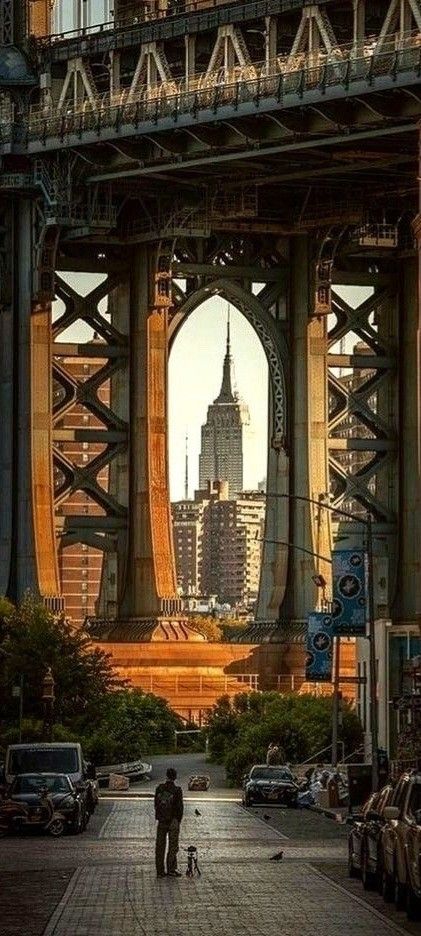
Montreal – Image Source: Pinterest
Every country has its symbols that represent the nation, its people, and the government. In the United States, we have the bald eagle, the Statue of Liberty, and Uncle Sam. When cartoonists want to represent the federal government as a character, it’s usually Uncle Sam. The French have the rooster (le coq sportif) and la Marianne. Just like Uncle Sam, she was not a real person. Uncle Sam represents the US government. La Marianne represents the French Republic. She represents the republic because in its earlier history, France was a monarchy. In fact, there are still people in France who think the country should be a monarchy again and there’s even a Count of Paris ready to assume the throne should that ever happen. You see la Marianne on French stamps, and there’s a bust of her in every city hall in the country.
Like Uncle Sam, la Marianne was first represented in works of art. There’s the famous painting by Delacroix, “The 28th of July: Liberty Leading the People,” which shows a woman holding the French flag in one hand, a rifle in the other, and leading a charge over a group of fallen fighters. La Marianne is always shown wearing a red bonnet (the Phrygian bonnet) that became a symbol of the French revolution. In Delacroix’s painting, her blouse has slipped off her shoulders, thus exposing both breasts. In the busts in town halls and on stamps, the artists dressed her more modestly.
Uncle Sam is an artist’s sketch. He has had the same face and clothes from the day he was drawn. La Marianne was that way too until President Giscard d’Estaing decided to honor a French woman by creating la Marianne in her likeness. The clothes stayed the same, but the face changed to become the face of a real person. France being France, it was decided that la Marianne should be modeled to be the likeness of a French actress, and the first actress to have her face be the face of la Marianne was Brigitte Bardot. Yes, in every city hall in France, there was a bust of Brigitte Bardot representing la Marianne. Even a traditionalist like General De Gaulle thought it was an appropriate choice and was heard to have said, “That’s a good choice: after all, her films have brought in more revenue to France than Renault automobiles.”
The US Postal Service has a policy about not honoring people with stamps until they’ve been dead for ten years. They made an exception to this when President Kennedy was assassinated. The USPS probably figures that if any scandal is going to rise to the surface, ten years is time enough for that to happen and by holding off, they can spare themselves and family members of the potential honoree from embarrassment. By using living people, the French government puts itself at risk of having the actress who sat for the sculpture do something that will scandalize everyone and therefore reflect poorly on the people who chose her. But there’s a difference between France and the US here as well. Grounds for scandal in France are not the same as the grounds for scandal in the US. Or, to put it another way: In France, sex is clean and money is dirty; In the US, money is clean and sex is dirty.” As an example, shortly before retiring, former President Mitterrand was asked at a press conference by a reporter from Paris Match if he had been living with a woman who was not his wife, and if the two of them had a child. He answered,”Oui, et alors,” – translation, “Yes, so what.” There was a huge outcry in France: not because of President Mitterrand’s extra-marital affairs, but because a journalist had the nerve to ask him about his private life and the magazine committed the transgression of publishing the article.
The French are no different than Americans when it comes to the government taxing us and spending money. Every French President, when newly elected, has the right of choosing the next Marianne. It’s no longer an actress and that makes it less newsworthy and therefore less likely to create a scandal. I think that the French would have preferred it if President Giscard hadn’t decided to have la Marianne be the likeness of a real person because there are more urgent needs for the government than paying for new sculptures for all the city halls every five years. But whether or not there’s a lesson here, it’s often fun to sit back and observe how small things can lead to great turmoil, provided no one is hurt and particularly, if it’s someone else’s turmoil.
Blog Post: February 13, 2025
I’m an American living in Paris, France, and feel at home in a foreign country. I’ve lived here for twenty-five years, and am still learning how Americans are perceived by the French and other foreigners living here. Starting with the French, most of my contact with other human beings is with French people and part of the conversation when I first meet someone is something like this (translated into English):
Another person talking with me: Ah sir, I notice you speak French with a slight accent. Are you English?
Me: No, I’m American, but I’ve lived here twenty-five years, and have tried to speak French without an accent.
Other person: No, no, please keep your accent. You speak decent French and even we French have different accents. So, you should keep yours. I like it.
The lesson learned here is that the French appreciate when you learn their language and they think that criticizing the accent of someone who speaks decent French is rude.
But not all my friends and acquaintances are French. I have American friends who speak French with an accent that I can hear unlike my own accent. I’ve also met citizens of South American countries and have had the following conversation more than once.
Another person talking with me: What’s your nationality?
Me: I’m American.
Other person: Me too.
Me: From which state?
Other person: Colombia. You Americans seem to forget that people who live in South America are also Americans.
That’s true, but citizens of these other countries have different names for their nationalities such as Colombian, Mexican, Chilean, and so on. We US Americans don’t. I’ve never heard anyone called a “United Statesian.” In Spanish, however, a US American is a “Estadosunidosiene.” The lesson learned here is that we US Americans are not the only Americans.
In addition to South and Central Americans living on their respective continents, we share North America with Canadians plus the French citizens living on the islands of Saint-Pierre and Miquelon. But let’s leave aside for the moment those brave 5,000 souls living on those two islands. When I was young and traveling through Europe in the 70’s, it was easy to identify Canadians because so many of them had sewn a Canadian flag patch onto their backpacks. One night in a bar with nothing better to do, I struck up a conversation with the person sitting next to me and asked him why so many Canadians had the flag patch on their backpack. He replied, “It’s so people don’t think we’re American.” Many years later, a Canadian colleague once told me that Canadians were as un-American as it’s possible to be under the circumstances.
So, two very different situations: one in which someone whom I didn’t think of as being American told me that she was, and the other in which someone made it a point to let me know he wasn’t American. Conclusion: it’s impossible to know in advance what you’re going to encounter when meeting people for the first time. How do we then go about fitting in and learning about our new homes? A general rule is to be open to changing what you thought you knew about people, to avoid generalizing, and above all to always observe. And of course, make an effort to learn the national language.
Blog Post: February 7, 2025

Image Source: Eliot Goldman
Anyone who learned a foreign language in high school or college and then never used it in the country where the language was commonly spoken probably remembers grammar rules, verb conjugations, and lots of vocabulary words. What you missed was some of the social rules for using the language, which you would have learned by embarrassing yourself in social situations. In France, for example, before beginning a conversation about something practical, such as buying a bottle of wine, you need to exchange bonjours, (Bonjour= Good day.) But it’s not just bonjour, that you need to say, it’s “Bonjour monsieur, Bonjour madame, or Bonjour mademoiselle,” depending on who’s standing in front of you. If it’s a man, that’s easy, it’s always monsieur. Traditionally, we used madame for married women, and mademoiselle, for unmarried women. That was their definition, and that’s what the words still mean. But there has been a change in how we use madame and mademoiselle without the Academie Française having ruled on its correctness.
There is no French equivalent for Ms. We now use mademoiselle for younger women and madame, for older women without regard for marital status.
Another example is the word, you. In English wedding ceremonies and prayers we still find the second person singular, thou, thee, and thine, but we have replaced it with the plural, you, your, and yours in everyday language. In the US south, there’s still y’all and all y’all, but that doesn’t relate to a social distinction with foreign languages. In French, tu is the singular form of you as a subject pronoun, toi, as an object pronoun, and ton or ta as a possessive. So you might think that in addressing one other person, you would use the tu form. And you’d almost always be wrong. When I studied French in high school, we were taught never to use the tu form because we were told that we would never have to use it. That wasn’t true either. Tu is the form you use with your closest friends, family members, small children, and pets. Using tu with a complete stranger would imply a degree of intimacy that would be considered offensive.
Even after the French revolution and the terror, there are still people belonging to the nobility. Members at that level of the upper class, use the vous (plural form of you) even within families. For anyone else to do it is considered to be putting on airs. An exception to that were General and Madame De Gaulle who used the vous form
As Paris is the capital of France, there are people here from all over the world. Everyone speaks French more or less well as a second language, if not as a first language. But I’ve sometimes found situations where the social rules for using the language change. I’ve made friends with people I’ve met from South America who have wanted me to use the tu form with them even though Spanish has a formal second person singular – su.
One of the great things about living abroad is having the opportunity to learn different ways of doing things. You don’t have to agree with them. You don’t have to adopt them. That’s going to depend on how much you want to fit into the local culture.
Blog Post: January 31, 2025

One of the strange things I noticed moving here was that Parisians had a lot less difficulty knowing my name when they heard it than did people in the Fitchburg- Leominster region of Massachusetts where I lived before I moved here. In the US, when I would say the name “Goldman, “ at, for example, the dry cleaners, the usual response was, “ Sorry, was that Goodman or Goguen?”. Or, “Did you say Elliott Gould?”. In France, there’s a well-known singer, Jean-Jacques Goldman, so whenever I say my name, they frequently reply, “Ah, yes, like the singer. Are you related?” There were 47 other Goldmans in the Paris phone listings, the last time I checked. I’ve never met any of them; however, I would venture to say that the Goldmans in France consider themselves French. You don’t find people with hyphenated nationalities in France. There are no Italian-French, Polish-French, or Irish-French.
A couple years ago, my stepson and one of his friends came to stay with us because they were running in the Paris marathon, and we were the cheapest hotel and restaurant in the city. The friend was of Moroccan origin. Over dinner, he brought up the subject of hyphenated Americans because when he read American newspapers and magazines to improve his English, he kept seeing all these hyphenated nationalities and didn’t understand what that meant. I tried to explain it to him by saying that some Americans were proud to be American but were also proud of their ancestral heritage, and wanted to be known for that as well as for their American nationality. Until I gave him my explanation, he thought it was just a way the media had of labeling people to point out that they were not true Americans, and therefore it was discriminatory.
France, like America, is a land of immigration. There were many different original peoples in the land we now know as France. There have also been conquests and waves of immigrants. When the Romans conquered Gaul, they brought in a lot of Syrians and Greeks from other parts of the Roman empire and settled them in the south of France. Normandy was conquered by Vikings (the Norse men); hence, the name. These same Normans who didn’t think of themselves as French, then went on to defeat the Saxons at the Battle of Hastings in 1066 AD (one of the few dates we all remember if we studied ancient history). There was a massive influx of Russians after the overthrow of the czar, a wave of immigrants from Spain during the Spanish civil war, and so on. Additionally, as former French colonies became independent in the 50’s and 60’s, the French settlers and colonists who had lived there for generations and had as much in common with the European French as we Americans have with the English returned to a country that previously they read about and visited. A lot of the current immigrants are from Africa and Asia.
Americans and others who have never visited France frequently have a picture, almost a caricature, of a Frenchman that we learned from movies. He wears a beret and if he isn’t sitting in a cafe, he’s walking somewhere with a baguette under his arm. Most of the French now think of the beret as an old man’s hat or something worn by a real hayseed with no sense of fashion. The French seem to have replaced the beret with the baseball cap and some of them have picked up the really stupid idea of wearing them backwards. If that weren’t bad enough most of them have a preference for Yankees caps. I always thought the French would make natural Red Sox fans because so few French films have happy endings (which in French is “le happy ending”). Many French who have never visited the US think that average Americans act like the Americans they see on TV shows, which are enormously popular in France. Both the American-held caricature of the French and the French-held caricature of the Americans are wrong.
Some immigrants to France still consider themselves to be whatever nationality they were before they immigrated to France. Some don’t: they consider themselves French. In neither case, do they have two nationalities or a hyphenated nationality. France has never called itself a melting pot, although for reasons both economic and political, it has been and still is a land of immigration. The immigrants are expected to become French without changing the sense of what French is. Immigrants to America are expected to become American and add their own uniqueness to the American character. So, maintaining the cooking analogy, both France and America are countries that immigrants want to immigrate to, so what goes into the pot is the same – immigrants. What comes out of the pot is the same only in that in both cases, new citizens result from immigration. But what happens in the meantime to these immigrants to make them French or American is as different as France is from America.
Blog Post: January 28, 2025
I’m still thinking about the differences between visiting a country as a tourist and moving there, and it occurred to me that in my earlier article, I neglected to mention one of the most important differences: language. As a tourist, no one would expect you to be able to speak the local language fluently. Cities that welcome a lot of tourists try to hire customer-facing staff who speak foreign languages. English is the most common second language that most businesses want their employees to know. It’s a surprising fact that there are more non-native English speakers than native English speakers. So, if you’re an American tourist traveling to the most common tourist spots, you shouldn’t have any difficulty doing everyday things in English. But deciding to live in a place means wanting to fit in, to be well integrated. Being able to speak and understand the national language is part of that.
Trick question: Do all countries have a national language? If by national language, you mean a language identified as the national language in a constitution or law, then the answer is No. The US does not have a national language. English is our most commonly spoken language and immigrants who want to become American citizens need to show proficiency in English to pass the citizenship exam. France has a national language: French. In the First article of the Constitution of the Fifth Republic is the sentence: “La langue de la République est français.” The language of the Republic is French. France even has a government agency responsible for defining the French language – l’Academie Française. The Academy was founded in 1635 by Cardinal Richelieu during the reign of King Louis XIII. Historians believe that his real motive was to give the nobility something to do aside from plotting against the monarchy. The Academy publishes the Dictionary of the Academy, which defines all words that the Academy considers to be correct French, their spelling, and French grammar.The first edition of the Dictionary was published in 1694. They began working on the Ninth edition in 1986 and it was released recently. It’s online, if you’re curious.The Academy spends lots of time deciding which English words are acceptable French; for example, email is not. The correct French word is courriel. Brainstorming is now correct. All official documents, including doctoral theses, must include only words approved by the Academy. Private businesses, however, are free to communicate and advertise in whatever language they want.
Québec, although not a country, has one official language – French – and laws governing the use of English, which is one of two official languages for Canada. All outdoor advertising is French only. Tim Horton’s had to drop the apostrophe from its name. You see apostrophes in outdoor advertising in Paris because some people think apostrophe s (‘s) is how to form plurals. That raises an interesting point for me. If French speakers in Québec use words that are not in the Academy Dictionary, then are they speaking French correctly? Quick answer: Yes, their French is as correct as Parisian French because Parisians use a lot of words that aren’t in the Academy Dictionary, as well. For example, in English we use the word ‘car.’ In France, it’s a ‘voiture,’ and in Québec, it’s a ‘char.. In English, we use the word ‘job.’ In France, it’s an ‘emploi,’ and in Québec, it’s a ‘job.’
If you go somewhere as a tourist, in most cases you’ll have no problems using English. If you plan to move to a foreign country, my advice would be to learn to speak the language as the locals speak it. The locals will be only too happy to correct your mistakes.
Blog Post: January 16, 2025

I was thinking about things that America introduced into France and in addition to Halloween and chewing gum (le chewing (pronounced ‘shoeing’) gum) in France, but la pâte à macher in Quebec) and decided to write about Valentine’s Day.
Living here as long as I have, I’m still amused by American traditions that the French have adopted and modified to make them more French. One of the more fascinating things is Valentine’s Day. It seems strange to have only one day a year set aside for romantic love here in one of the world’s most romantic cities. If the Parisians were any more demonstrative in their display of romantic love in their everyday behavior, they’d be arrested for lewd and lascivious behavior in a public place – in Massachusetts, that is, but certainly not in Paris.
In Paris, couples walking together arm-in-arm will just stop and start kissing. Couples waiting for the Metro or in the Metro carriages will do likewise. Metro stations used to have benches where couples would sit next to each other and embrace. The benches also provided a place for clochards (Parisian winos) to sleep so the transit authority replaced the benches with uncomfortable chairs set far enough apart so that it’s impossible to lie down across them. This proved a real hindrance for the clochards, but loving couples of every age solved the problem by using one chair and one lap rather than two chairs. Park benches are another great spot.
The bridges over the Seine provide another interesting contrast. On the bridges near Notre Dame, you frequently see couples embracing, but, generally speaking, they are tourists. They stop in the middle of the bridge, look at Notre Dame, and ta-dah, une grosse bise (a big kiss). There are so many couples doing it that it reminds me of late Saturday night / early Sunday morning in front of women’s dormitories back when there were curfews and no co-ed dorms. If the couple are wearing running shoes, Bermuda shorts, and carrying a fanny pack and a camera, they are definitely tourists. No Parisian would dress like that nor attempt an embrace where anything other than clothing is going to come between the embracer and the embraced. However, if you walk along the quais under the bridges, you find Parisians embracing and if you go for a nighttime ride in the bateaux mouches, when you pass under the bridges, Well!!!!
Since romance (or kissing anyway) is everywhere, all the time, why make a special holiday out of Valentine’s Day? Valentine’s Day is the American term. Le Saint Valentin is the French. If you look at a French calendar, every day is a saint’s day unless it’s a Catholic religious holiday such as Christmas, Easter, or Assumption. In France, February 14th is Saint Valentin’s Day just as February 13th is Saint Beatrice’s Day. In the past, there was nothing special about it. The idea of making a holiday out of something that over here is as common as the air we breathe (and a lot cleaner) came from America the same way that le Halloween became a holiday. If you want to assign blame for the globalization of American holidays, blame it on television and the movies. The French still do not celebrate Thanksgiving, the 4th of July or opening day of the baseball season. But think about it. There you are watching an American film dubbed in French on French television and there’s the American couple celebrating Valentine’s Day. How nice. And if it’s an American custom, it starts out with a good chance of being popular in France because of the average French person’s admiration for most things American. What the French laugh at in America is the American habit of using the word “French” for things that either the French don’t have or think of differently. You never see French Vanilla, French Toast (le pain perdu – “lost bread,”, a dessert and not for breakfast) or French dressing in France. French fries are pommes frites (fried potatoes).
An American custom achieves visibility and then business takes over. In the US, it’s a great day for greeting card manufacturers, candy makers, and restaurants. It’s almost the same in France. So, how do the French celebrate? If you’re already near the top of the Richter scale of romance, you need to think of something special. This is France, so naturally the first thing you think of is food. Restaurants plan special menus featuring all those foods that are supposed to make you feel and act the way actors do in the great romance movies. This is one of the holidays when, if you want to reserve a table in a favorite restaurant, you’d better do it weeks in advance. And then, of course, there are the chocolates. One of the chocolate specialties at this time of year is the heart-shaped bonbonier: a chocolate container filled with chocolates. And of course, let us not forget Champagne.
One aspect of Valentine’s Day that I remember from my childhood that you don’t have here is the Valentine’s Day celebration at school. I remember writing Valentine’s Day cards for all my classmates and putting them in a huge box. They would do the same. Right before the end of the school day, we would stop work, distribute the Valentines, and eat little heart-shaped candies that tasted like Necco wafers because they were made by the same company. School is very serious here. You don’t go to school to celebrate anything. You go to school to study – to work. It is also likely that your parents would not encourage you to give Valentines to your classmates because even at a young age you consider them competitors for entry into the best colleges and entry into the best colleges is based on exam results.
Valentine’s Day here seems to be just one more reason to have a good time, and “Vive la France,” they’ll never run out of reasons for having a good time.
Blog Post: January 9, 2025
I’ve been spending more time at home lately as I’ve been readjusting to life after major surgery. Given all the things I wanted to do, but couldn’t, I’ve had more time to read, think, and just look at the Internet. As someone who moved to a different country, I was interested in reading stories or advice from people who had had a similar experience. One of the things that stood out was the number of people wanting to give advice on social media platforms. The advice usually took the form of “Five Things You Should Do (or Avoid) When Visiting or Moving to (Name a Place.) Note: the number wasn’t always five, but it was frequently enough that it made me wonder if it was chosen for people who count using their fingers. But reading the online posts left me thinking about the following question. As moving to a different country is not the same as visiting it as a tourist, what do you need to do differently for planning and for actually living there? Also why do all the people giving advice online think they know what advice people want, but I’ll leave that for another day?
When you move, there are the major items that you’ll no doubt think of such as finding a place to live, creating a bank account, and getting a driver’s license if you need one. But when you’re there, there will also be the small things that occur as surprises, both pleasant and unpleasant. One thing you need to think about in moving that you don’t need to think about as a tourist is how are you going to fit in this new country. A tourist returning home after two weeks doesn’t need to. Here are some examples of different behaviors from France that you probably wouldn’t know unless you had actually lived here for a while. In France, when you speak to a sales clerk, before saying what you want, you need to exchange, “Bonjours” Bonjour means either good morning or good day depending on the time of day. Not saying it is considered disrespectful, but how would you know that? Another example: if a French person or family invites you to dinner at their home, it’s considered rude to arrive at the time they told you. You need to arrive 15 minutes later. You can bring a bouquet of flowers as a gift for your host, but you need to make sure there are no chrysanthemums in the bouquet. Chrysanthemums are only for graves. Assuming you speak French relatively well, you might want to participate in a conversation at the dinner table. But if you follow the American custom and wait for a break in the conversation, you’ll be waiting a long time because here everyone talks at the same time. People just interrupt each other.
If you’re planning on living in a country, how do you learn the do’s and don’ts? How do you fit in so that both you and the natives are comfortable? The obvious answer is that you learn by observing or by getting to know locals who not only will know the answers to questions that you might have, but will also be able to give you advice on something that never crossed your mind. There may be books on the subject, but customs change, and the books can be out of date.. I read a book about adjusting to life in France, but I was lucky enough to have family here so that I could check the accuracy of the book’s recommendations. I still remember the book’s recommendation that if you needed help arranging seating at a dinner party, the US Consulate could help you. That may be true, but I’ve never had to ask.
Once you’re settled and have learned the country’s language, you can start having discussions about things like work-life balance, or the appropriate role for government in providing health insurance.You may not always agree, but you will certainly have a better understanding of how the social system works in your new country, and you’ll be better able to form an opinion by comparing systems in two countries. It’s important to remember that you can’t plan for everything that might happen, but you can learn to notice with all your senses. You have to enter the country knowing that things will be different, but not knowing which things. There are those that you will find to be an improvement on what you knew in the US, and those where you’ll wish they did things as we do them in the US. In any case, it’s guaranteed to be an adventure: Enjoy it!
Blog Post: November 21, 2024
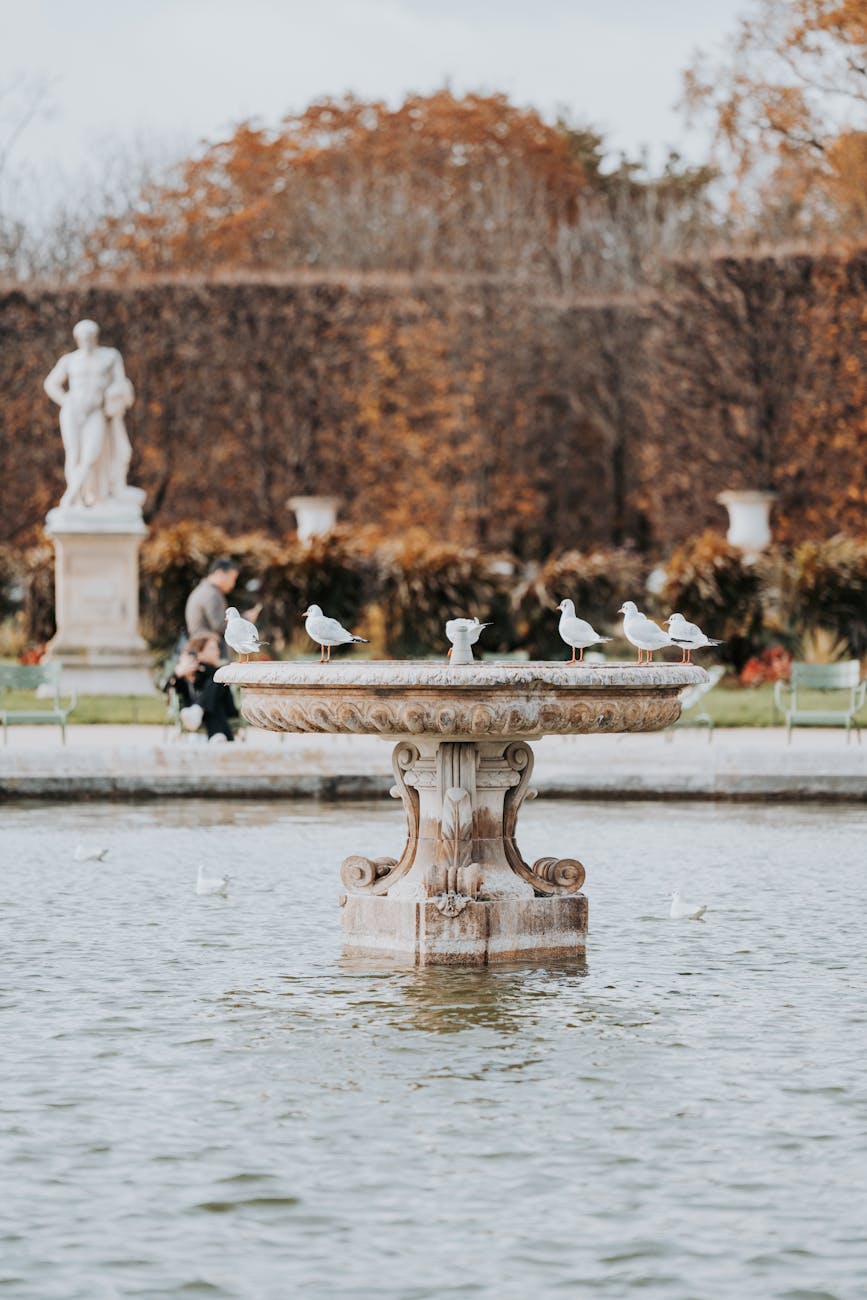
There are many things to see and do in Paris. Something you might not think of doing is looking at statues. You could easily spend more than a day looking at them. You find them in squares, decorating fountains, near churches, on bridges and sidewalks, and in parks. Unlike the day-to-day world of humans, the world of statues follows its own rules dictated by machismo, fantasy, patriotism, and political as well as intellectual certainties. As a result, the statues of women represent an appalling minority. The statues of “les grands hommes,” (great men) are to be found everywhere, and animals are used to enhance the greatness of these gentlemen.
But given their minority status in the realm of sculpture, let’s first look at what it takes for a woman to be celebrated. Apart from a few exceptions, women have a symbolic function in statues. They represent “la Patrie,” (a strange word meaning literally the “motherly fatherland,” the republic, an inspiring muse, or a comforting angel.
When a statue represents la Patrie, it is a really impressive, majestic, and athletic woman. The best example can be seen in the monument at the Place de la Nation: at the top of the monument is a proud, tall, beautiful, and massive woman (la Marianne) wearing the famous “bonnet phrygien,” symbolizing the republic. Her right breast is exposed for all to admire the generosity and fecundity of her nature.
There is no fooling around about that bare breast. Marianne is a loving mother feeding all her children, unlike that selfish and destructive monarchy that preceded her. Marianne is also barefoot: she is from the people and quite like them – simple, stable, and solid. Being barefoot gives her better balance as she stands on top of the globe.
Our planet rests on a carriage drawn by two lions. Four characters surround the carri age. At the back is a completely naked woman. We see her from behind. A garland of flowers and sheaves of wheat robe the front part of her body with proper modesty. She embodies agriculture. On the right side of the carriage is a muscular fellow with a hammer. Yes: agriculture and industry unite harmoniously for the benefit of French prosperity as is shown by the cherub-like child nesting in-between his formidable parents.
The fourth character is in front of the carriage. He looks proudly ahead, leading the lions with one hand and holding the republican torch that will enlighten the world in the other.
When women are not represented as la Patrie, the republic, or agriculture, they will be shown kneeling worshipfully at the feet of a male writer or poet, or at the feet of some politician who freed the French from exploitation or ignorance. These same politicians didn’t grant women the right to vote until after the Second World War, and didn’t allow married women to sign a contract until 1960. When the females are not kneeling worshipfully or gratefully, they stand behind the great man, either to comfort him from his fellow citizens ingratitude or to inspire him to create some literary masterpiece.
There are a few exceptions. The first is Joan of Arc. A statue of this famous heroine stands in front of the Saint Augustine church. The young maiden is on horseback, her sword drawn and pointing to the sky in a proud, manly, and dignified attitude. This is classical, but the really interesting part is the horse. Its tail hangs down and its gait suggests a gentle trot. When you get closer, you can’t tell whether the animal is a stallion, a mare, or a gelding. As a symbol of the virginal nature of its rider, its general appearance must display decency, modesty, and propriety.
Another, and really touching exception, is the statue of “La Grisette.” A grisette was a young, working-class girl, rather poor because she worked as a seamstress for very little money. One way of earning a little more money was by not being extremely virtuous. The poor girls were more to be pitied than blamed as they were ruthlessly exploited both by their employers and episodic lovers, who were more often than not wealthy, married men. I find the realistic representation of the sculpture touching, not only because it conveys the transience of youth and beauty, but also the fragility and vulnerability of that poor outcast.
Unlike the statues of women, the statues of men are to be found everywhere. They fall generally into three categories: kings, whose memory is still celebrated in spite of the revolution; 19th century artists and politicians; and World War II heroes.
In spite of the massive destruction of symbols of royalty by 18th century revolutionaries, Parisians can still admire their statues. The statues of Charlemagne and Louis XIV are particularly impressive. The trouble is that when you look at them, you may wonder whether they are here to commemorate the greatness of past sovereigns or to glorify French virility. Anyone looking at the statue of Charlemagne at Place de Notre Dame will ask themselves that question. Charlemagne was really a great, good and efficient emperor in medieval times. He also had tremendous physical energy and was an active womanizer. He certainly contributed personally to boosting France’s birth rate.
Before moving to France, I lived in the town of Shirley, MA, which was named for a colonial governor, William Shirley. Governor Shirley was a descendant of Charlemagne. If you have any doubts about Charlemagne’s virility, simply look at his horse. Unlike Joan of Arc, here you can see that Charlemagne sat atop a stallion – a good, healthy one.
No women accompany our 20th century warriors: Marechal Leclerc, General de Gaulle, and Sir Winston Churchill. They all stand alone. Churchill’s statue decorates the garden of le Petit Palais. His gruff, efficient, sensible nature has been well captured. He seems to be walking at a brisk pace (on a low pedestal) with a purposeful look on his face. The statue of de Gaulle is beside le Grand Palais (noblesse oblige). It is on a tall pedestal so that the General dominates his friend and ally, but does not look at him. No, he looks upwards toward some lofty ideal. The problem is that if the statue were alive, it would probably fall over as by some strange artistic aberration or optical illusion, the General appears to be walking with his legs crossed.
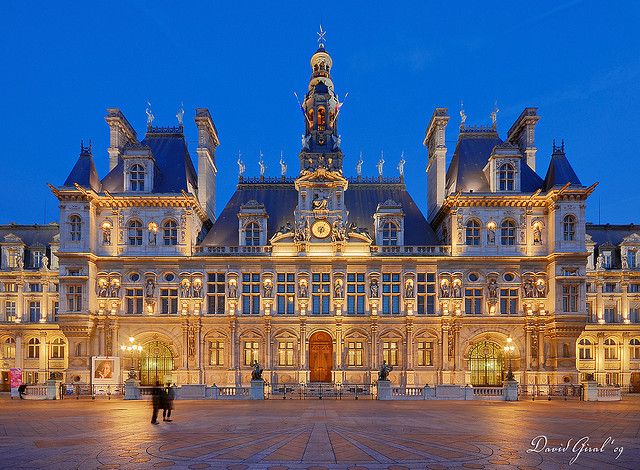
Hôtel de Ville (City Hall) – Paris (Image source: Pinterest)
Blog Post: November 14, 2024
One of the things I needed to do shortly after moving here was get a French driver’s license. I don’t own a car and don’t need one in Paris, but it’s necessary when traveling in the countryside. To get the license, I had to go to driver education school because if you don’t, then it becomes nearly impossible to get a date for the written test – 40 multiple part questions and you need to get 35 or more correct. I took classes in a driver’s ed school in my neighborhood. Because I already had a driver’s license, I was eligible to take a shorter course, but my application and paperwork had to be approved by the Paris police department. The relation between the French and paperwork is not at all like it is for Americans and paperwork for US local, state, or federal governments.
The school secretary compiled my dossier, which included photocopies of my passport, my Massachusetts driver’s license, five ID photos, the visa allowing me to live and work in France, plus the standard application.
One of the lines to complete on the application was my birthplace: city, state, country. Easy enough for me, it’s Cambridge, Massachusetts, USA. The Paris police returned the dossier to the school, noting that it was incomplete, even though it had all the paperwork demanded by the police. The problem was that American passports list your birthplace as state, country while the French form also requires naming the city. You would think that wouldn’t be a problem; after all, you fill out forms and sign them to say that everything is true to the best of your knowledge and belief. Except that’s not the way it works here. The school secretary explained that the form was incomplete because it didn’t contain the city of my birth. To which I replied, “But yes it does, look, right there, I wrote “Cambridge.” “ She looked at me as if I was visiting from another planet and said, “Monsieur, it’s not acceptable to just write that you were born in that city, you need proof. You need to add a translated copy of your birth certificate to your dossier.” I still had one because I had to use it to make my way through some other bureaucratic roadblock.
The cultural lesson was that in France you need documented evidence for almost anything you want to do. You can’t just say you were born somewhere: you need to prove it. You can’t just say you live somewhere, you need to prove that, too. How do you prove you live someplace? In France, the standard is the electric bill. In order to have landline telephone service, you need to send the phone company a copy of your electric bill or a statement from the electric company that they are providing you service at that address if you haven’t been there long enough to receive a bill. Ah, but how do you get electric service so you can have the all-important electric bill? You go to the electric company with a sworn statement from your landlord (if you rent), or a deed to your apartment if you own, and the electric company then gives you the necessary document to prove residence. This makes electric bills important. In fact, by law, you need to keep all your electric bills for ten years. I’ve never read of anyone being arrested for not having kept ten years worth of electric bills, but it’s always good to know what the law requires you to do.
Pay stubs can’t be used to prove residence, but nevertheless you are required to keep them for life. You are required to keep rent receipts because in certain situations you need to present a rent receipt in addition to an electric bill in order to prove residence. You are required to keep bank statements for ten years.
If I’ve accumulated all that paper, imagine what it must be like at government agencies that insist that you present them with a lot of documentation. I now have a renewable ten year visa. When I first arrived here, I had one year visas for three years. When I renewed the one year visas, I had to present originals and photocopies of the same documents: my original work permit, a certified letter from my employer stating that I was still working for them, my passport and current visa, an electric bill, a rent receipt, a tax return, my three most recent pay stubs, my health insurance card, and four photo IDs. They take the photocopies and add them to the folder without removing old documents from the folder. I’ve never asked them why they do this because some time ago I read something that stuck with me: “When you Americans ask questions, you expect logical answers. In other countries, when people ask questions, they expect trouble.”
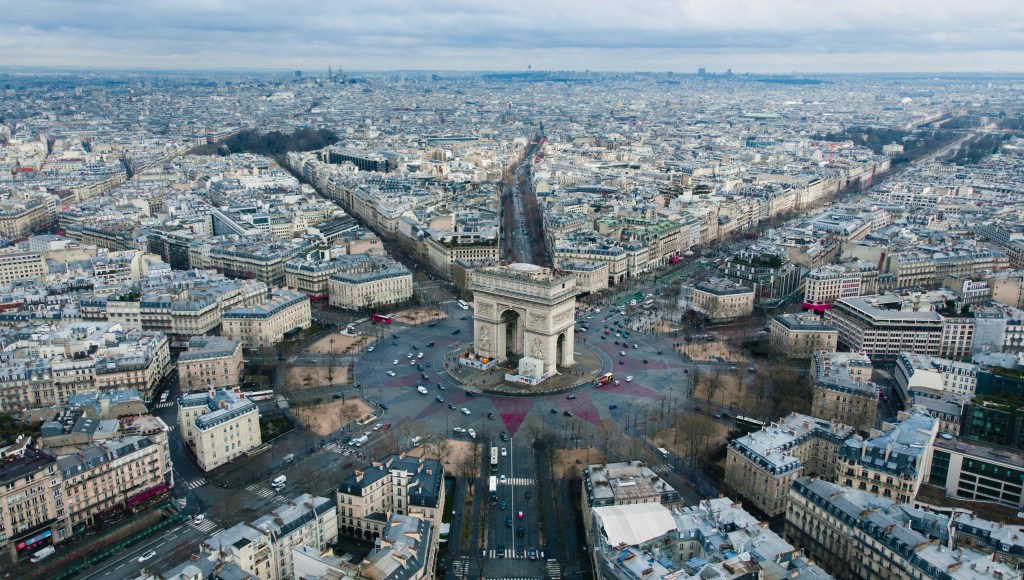
Paris — Arc de Triomphe rodrigo-kugnharski-pdWc5wm1STw-unsplash (1)
Blog Entry: November 7, 2024
Judging by supermarket displays, it’s the beginning of the Christmas shopping season here. The Halloween decorations have come down and Thanksgiving is not a French holiday. Not to worry, we have Black Friday sales even without Thanksgiving. In fact, Halloween is a recent addition to the calendar: it’s not a day-off like Christmas or Bastille Day, but supermarkets and costume shops make a big deal of it. For the past several weeks, there were lots of ads for Coke and candy with “Happy Halloween,” written on them.
But, “happy,” and “Halloween,” are not French words so how did this become a thing? There is a traditional French holiday at this time of year: Toussaint (All Saints Day) on November 1st. Traditionally, it’s the day to visit the graves of family members. So what’s going on here? Think television and marketing.
Television: because a lot of French programs are dubbed versions of American programs. I haven’t had a television since I moved here because Paris, all by itself, is a show not to be missed and I can either walk or take public transportation anywhere in the city if I want to go to a movie, play, or concert.
When I do see television programs such as when I’m waiting to pick up my clothes at the dry cleaners, more often than not it’s the French translation of an American program. American police shows are so popular that certain individuals finding themselves on the wrong side of the law are quick to inform the police when they’re in custody that they have to be read their Miranda rights and speak with a lawyer before making any statements to the police. Surprise, surprise: this is France. They don’t have any Miranda rights. They then compound the mistake by addressing the judge as “Votre honneur.” The correct form of address is “Monsieur (or Madame) le juge.”
What’s happening is that it’s a lot less expensive for television networks to buy programs and dub them in French than it is to create their own programs unless they can sell their own programs widely enough to justify the production costs. English is one of the most widely spoken languages in the world. As a comparison, there are fewer people speaking French as a first language in the world, then there are Brazilians speaking Portuguese. That means a smaller audience for French programs and fewer networks outside France willing to buy them. Therefore, there just aren’t enough original French programs to fill up all the time slots. The French television networks buy a lot of American television shows because America produces more television shows than anyone else. French kids (parents, too) learn about the America they see on television. So they’ve learned about Halloween and trick-or-treating.
Would the Coca Cola company and the candy makers pass up on an opportunity to convince kids that they really need a special holiday to eat lots of candy and drink lots of soda? Of course not. If you’re keeping score, it’s television and marketing 1, traditional French way of life, 0.
So Halloween became a holiday, but it became a French holiday. When it first became a holiday, it became a holiday for adults, which meant that all the restaurants would offer Halloween menus, or adults would entertain friends at their homes, and everyone would wear a costume. Now, rest assured, the kids watch television too, and they didn’t like being left out of the festivities.
There was a problem, however, for trick-or-treating. It may be a Paris thing or it may be a city thing, but almost everyone here lives in an apartment building. At the front door of every apartment building is a keypad. You enter a code, and the door opens. Then you’re in a building lobby or a courtyard. There is frequently a second door with a second code and then you’re in the part of the building with access to the elevators or stairways. If you don’t know the codes, you can’t enter the building. If you can’t enter the building, you can’t ring doorbells and if you can’t ring doorbells, no trick-or-treating. But the French are debrouillards, so there’s the French style Halloween for the kids. Families buy plastic jack o’lanterns for the kids, dress up the kids in costumes, and put the jack o’lantern filled with candy on a table. Then they stand around the table looking at the jack o’lantern, eating the candy, but mostly wondering what’s the point of all this and why do American kids get so excited about it.
But to me, that’s the point. When you try to copy something from one culture to another, it sometimes loses something in translation.

Blog Entry: October 31, 2024
If you watched the opening ceremonies of the Olympic Games, you had a quick tour of Paris along the Seine. Historically, the first settlement of Paris by the Gauls occurred on Ile de la Cité, one of the two islands in the Seine. Aside from Notre Dame, Ste Chapelle, and the Conciergerie (the first palace of the kings of France), most of the buildings you see there now were built in the 19th century after Haussmann ordered the demolition and rebuilding of much of the city to create the grand boulevards and give emphasis to monuments such as Notre Dame. Haussmann’s other purpose was to make it easier to move troops across the city to put down the nasty little revolts that led to the violent overthrow of several governments.
The Seine is wide enough and deep enough for boat transport to, from, and within the city, and in former times, ocean going ships could enter the mouth of the Seine at Le Havre and sail to Paris. Given that before the development of rail and modern roads, moving things over water was a lot easier than moving things over land, a lot of commercial activity developed along the river. The first Parisian markets were on the Seine bridges. If you think about it, Paris was an inland port and the Seine was its Main Street.
The Champs Elysées is now considered by many to be the grandest boulevard in Paris. The Parisians with typical Parisian modesty refer to it as the most beautiful avenue in the world, but it’s not a central axis of the city. The Champs Elysées is a parade route: the river is the central axis. When you tour Paris for the first time, you generally do most of your sightseeing along the river or within a short walk from the river. The sites most frequently visited by tourists are close to the river and extend from the Eiffel Tower in the west to la place de la Bastille in the east.
Try to think of a situation in the US that’s similar. Most of the early major North American cities were built along the Atlantic coast because they began as English colonies, and the early settlers and colonial empires needed harbors that would allow them to exchange goods between the mother country and the colonial settlement.
Montreal is an exception as it’s well away from the coast, but Montreal was settled by the French and the St Lawrence river makes it an inland port. There are inland cities that front on rivers in the US, such as Minneapolis, St Louis, Pittsburgh, and Cincinnati, but I believe in all these cases, the rivers are city boundaries rather than Main Streets. In smaller cities, where the river wasn’t suitable for transportation, it became the power supply for mills and too often a cheap way of getting rid of sewage. In Massachusetts, Lowell, Lawrence, and Fitchburg are cities where the river was the power supply for mills.
Of course as an individual or a city planner, you don’t think about your power supply as you do about your Main Street. Main Street is where you show off; the power supply or wastewater system is generally hidden. In small cities, you can see rivers from bridges, but generally not by walking on sidewalks that run parallel to the river. There are buildings that block your view. In Paris, you can walk along the quais of the Seine for the entire length of the city and there’s nothing between you and the river except benches, trees, or les bouquinistes– the used book sellers who seem to have been there forever.
And people do flock to the river. They don’t swim in it yet in spite of the government having spent 1.4 billion euros to de-pollute it for the Olympics. On summer evenings you can see couples, groups of young adults and families enjoying picnics at the river’s edge. You can do this here because in the summer the sun doesn’t set until 10 PM, there are very few mosquitoes, and there are no laws that prevent you from drinking alcoholic beverages in public. One of the most popular tourist attractions in Paris are the bateaux mouches that provide you a boat tour view of some of the city’s monuments alongside the river. In Boston, people enjoy the Charles River Esplanade for jogging, picnicking, and of course the Pops concert on the 4th of July. But when you look back at Boston from the Charles, you know that the river is at the city’s edge rather than its center.
In Europe, there are other major cities built on rivers. In London, there’s the Thames, but on several visits to London, I’ve never noticed people gathering at and enjoying the Thames the way Parisians enjoy the Seine. That may be because London is so spread out that it’s difficult to define a city center with or without a river. In Venice, there are the canals, but as they are a substitute for a road network and as there are so many of them, you usually find Venetians outdoors in the piazzas rather than sitting along the edges of the canals.
No: only Paris is Paris. There’s nowhere else like it anywhere in the world.
Blog Entry: October 24, 2024
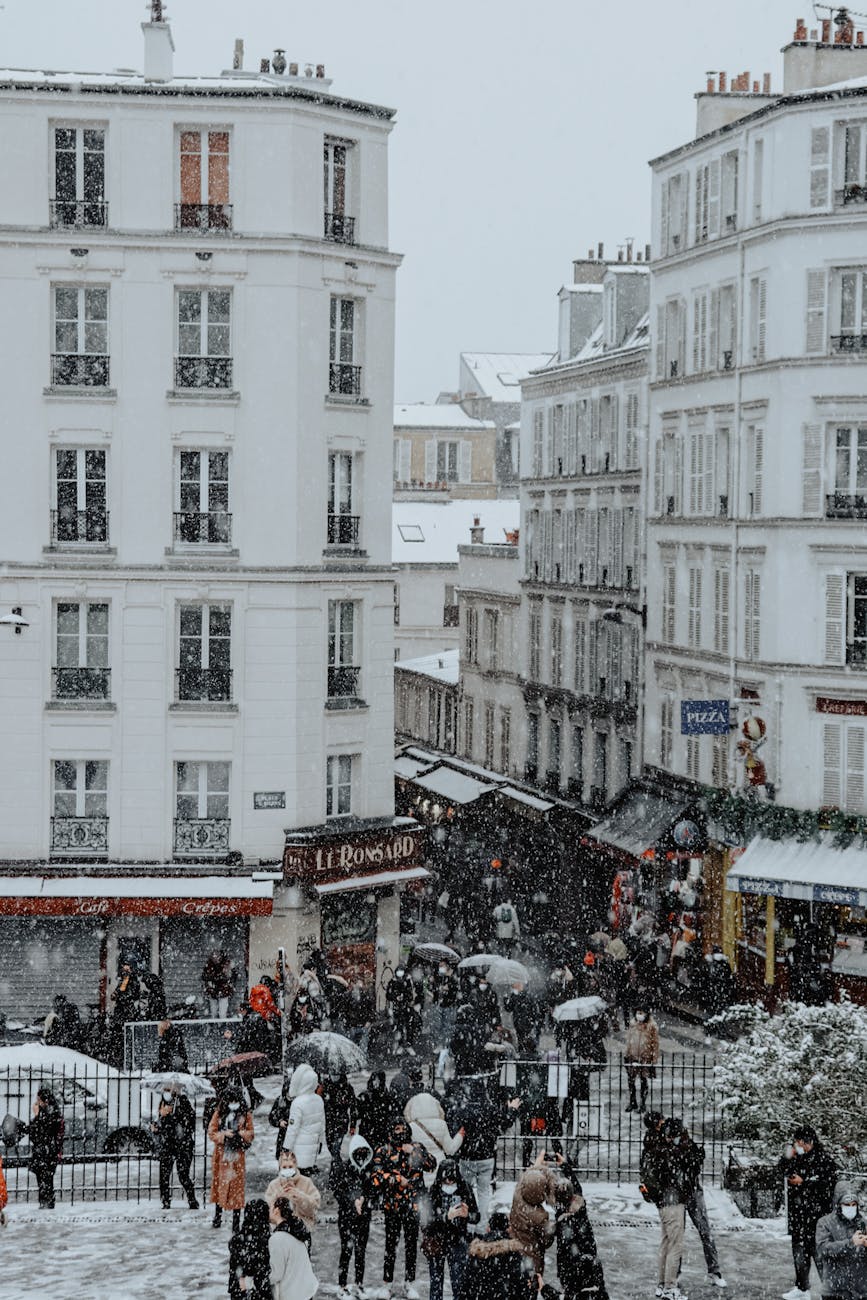
One of the changes I’ve noticed in the twenty five years I’ve lived here is that I have fewer conversations with tourists who in the past would stop me to ask for directions. Now that everyone has a portable phone, they need neither maps nor me. I miss no longer having conversations with strangers. In the past, when people asked for directions, speaking French with an American accent, I would immediately ask them if they wanted me to speak English. They always said, “Yes.”
Once I gave them directions or sometimes accompanied them to their destination if it was close by, they would ask me if I was living in Paris or just visiting. When I told them I was living here, I mostly heard one of two responses. Sometimes they told me that I was one incredibly lucky person and other times I heard that they wouldn’t want to live here for all the gold in Fort Knox.
As I liked living here, I tried to find out what had soured them on the city. The most common answer was something like, “These Parisians: they’re so rude.” The Parisians don’t consider themselves to be rude. No people consider themselves to be rude. What’s considered rude in one culture can be considered appropriate behavior in another. In some cultures, burping loudly after a meal is considered the best way to compliment your host for the quantity and quality of the food that was served. So I would ask them what in particular had annoyed them. The answer to that was frequently, “Well, they push you off the sidewalk, they bump you when you’re standing in line, and they cut in front of you.”
I won’t say that these things don’t happen, but the attitude towards them differs from one country to another. Paris is a very crowded city. It’s the most densely populated city in Europe, although it’s not the largest city. So people have adapted to living in crowded conditions. Maybe as a consequence of the crowded conditions, Parisians require far less personal space.
Personal space is the bubble of space you need around you in order not to feel that someone else is getting too close for comfort. Think of it as the distance you want to keep between yourself and someone else approaching from the opposite direction.
In the US, it’s at least several inches. In Paris, it’s considered acceptable to gently brush against someone as you walk past them. So if two people are walking on a sidewalk (an American and a Parisian), the Parisian will think there’s enough space to politely pass by someone if he or she can do it by just brushing against the other person. In that case, they see no reason to move. The American wants a few more inches, and moves either to the left or right to gain the additional space. But that could move them into the path of someone else coming from the opposite direction who also thinks that it’s perfectly acceptable to brush against them. Of course, if you move too far to the left or right, you’ll bump into a cafe patron or find yourself in the street. The Parisian isn’t trying to force you to do that and isn’t trying to impede on your personal space as he or she perceives it.
At first some of these behaviors drove me crazy. All in all, however, I would still arrive at the office calmer walking in Paris than I did after a morning commute on Rte 2. Then I figured the best thing to do was imitate them. I’ve actually become pretty good at brushing against people.
Now I no longer pay attention to people brushing against me. Still, it would do me a lot of good to hear my countrymen complain about these things. It’s like a letter from home.
Blog Entry: October 17, 2024

Image source: felix-dubois-robert-CuEvrPd3NYc-unsplash
All of us have our memories, beliefs, and assumptions. Even when faced with new situations, when we feel like outsiders, we try to call on these to help us understand and react appropriately to the new circumstances. If we’re open-minded and use our powers of observation, we might find that we need to change our beliefs or add new assumptions to our existing set. Let me give you some examples: one in which the behavior of an American surprised the French, and others in which the interests and observations of Americans made me aware of things in France that I hadn’t noticed.
A little over twenty years ago, former President Clinton was in Paris to deliver a speech, but he had some spare time. Like a lot of people who visit Paris, he went shopping. One of his purchases was some lingerie for Hillary. People viewing or listening to the news knew all about this because that was deemed newsworthy. Apparently, the owner of the very fancy lingerie shop where he made his purchase knew of an opportunity when he saw one, and as soon as the former president had made his purchase, the shop owner called reporters to let them know all about it.
This was considered fit material for a news program because in the French view of America, American men don’t know the first thing about purchasing lingerie for women. And here was a former president doing what the French couldn’t conceive of any American man doing. In the French view, American men are the strong, silent type – John Wayne wannabes – who are as flustered about lingerie as John Wayne was when the woman he’d just rescued from unspeakable horrors wanted to plant a big, wet kiss on his cheek, and he wanted to ride off into the sunset. In all likelihood, French filmmakers don’t produce westerns because French audiences couldn’t identify with a French hero who preferred riding off into the sunset to kissing the rescued damsel. The French are just as happy to leave riding off into the sunset to Americans while they stay around for the kisses.
The shopkeeper said that former President Clinton was quick to say that he wanted to purchase something for Hillary and even what he wanted, although probably not in French. The reporters didn’t care about who the recipient would be because that information is considered none of the public’s business in France. Rather, they asked about fabric, color, style, and something shocking for French media – the price. Here, discussing lingerie on the radio is considered acceptable material for the whole family; discussing how much someone spends for it is not. This was a case where the French reporters had the opportunity to correct their assumptions about Americans because one American did something completely unexpected. It was also a case where an American, namely me, became aware of different attitudes towards what is fit for broadcasting.
Over the years, by showing American friends and family members around the city, I’ve been made to think about things that had never occurred to me. When you’re new to a place, your initial feelings are that you’re an outsider trying to understand a new environment. With time, you feel like an insider, but as an immigrant, you always keep elements of the outsider looking in. One friend who visited taught restoration carpentry in the US. My knowledge of carpentry is less than rudimentary. When we went out for a walk in my neighborhood, he was fascinated by the doors and even more fascinated by the hinges. Most apartment buildings in Paris were built in the 19th century and the doorways are tall enough and wide enough for a carriage pulled by horses to pass through. I knew that. What I had never paid any attention to was French hinges. American hinges pivot on a bolt that is not part of either hinge. French hinges have one hinge with lugs that fit into the holes of the second hinge. He took many pictures of doorways and hinges during his visit.
I have found that one of the benefits of living in a different country or even living in a different region comes from realizing that you don’t know everything or sometimes even what you thought you knew. When you have to spend time observing and reflecting, you develop a set of skills that you can use to deal with every new challenge that comes your way.
Blog Entry: October 10, 2024

It seems like a long time ago now, but one of the first things I noticed when I moved here was that whether at the workplace or in the building where I lived, people didn’t smile at each other until they were introduced and got to know one another. Strangers avoided eye contact. But at the workplace, you’re not strangers, you’re colleagues. At offices in the US, like nearly everyone else, I made eye contact with everyone and smiled at them. They returned the smile. I began by doing the same thing here, but noticed that people I didn’t know did not smile back at me. My initial reaction to this was to think I was doing something wrong or that I had landed in a strange place.
Not at all. A friend explained that to the French, smiling at a stranger is ludicrous. Smiles are reserved for special people. It’s not the general facial expression that you wear. The general facial expression is supposed to show indifference to anyone who bothers to look at your face. I’m dating myself here, but when I think of the American presidents who have served in my lifetime – I go back to Franklin Roosevelt – most of them had great grins. Some of the most memorable were Eisenhower’s and Carter’s. Nixon was an exception to the rule, and look what happened to him. In France, whether in the press or on TV, you never see the president smiling. The smile is a private expression, not a public one.
Private and public in France are much more distinct than they are in the US. When you travel away from the city and its apartment buildings, you enter the countryside and the suburbs with individual detached houses. Every house that you see has at least a fence, if not a wall, around the property. All the windows have working shutters. You don’t see front yards and there’s no such thing as a picture window.After all, what goes on behind the wall and behind the shutters is private. When the people who live behind those walls and those shutters go out in public, their facial expressions maintain privacy.
But now we hit upon a wonderful paradox. No, this is not the paradox about how people here can eat as if there’s no tomorrow, stay slender, and have low cholesterol. This is the paradox of a country where people are both very private, and yet under other circumstances, absolutely charming and incredibly flirtatious. As an example, I usually buy wine in the same small shop in a marketplace very close to where I live. I could buy the same wine in a supermarket and pay a little less, but the staff at the wine shop are very knowledgeable about the wines they sell, what foods they compliment, and whether you should buy the wine to store for several years or drink immediately.
There’s a woman who works there and she makes the act of buying wine more than a simple cash transaction; almost a seduction. She doesn’t begin by telling you how much the wine costs. First, she asks how you are and if you enjoyed the wine you bought the other day. She will know which wine that was and what other customers said about it. But the questions aren’t what you notice. It’s the tone of voice. It’s her eyes. It’s the smile. It’s everything. It’s taking simple charm, and raising it to an art form.
I sometimes see the same woman walking her dog when I’m out walking in the neighborhood. She doesn’t recognize me, and she doesn’t make eye contact. I’m sure she uses the same charm with every man who walks into the store, but that doesn’t matter because it’s all harmless and it’s very enjoyable because we both know that it’s all for fun. OK, it’s really to help make a sale, so there’s a business reason for it, but for the time I’m there I’m happy to overlook the business aspects and allow myself to be charmed.
Playing these little flirtation games is one of the little things I’ve become used to since moving here. Everyone does it, and it brings a little fun into life. It’s particularly enjoyable to see male sales clerks flirt with elderly women. The women seem to enjoy it, and their replies can be a bit salty, if not downright spicy. The times I’ve returned to New England for family visits, flirtation was one of the things I missed. The hotel clerk, the sales clerks, and the cashiers were all perfectly polite, but in comparison to what I’m used to here, they seemed cold and indifferent.
I can’t picture myself behaving the same way in New England. I’d be too afraid of offending someone or having my intentions misunderstood. So, hey New England, loosen up a bit! You’re missing out on a lot of fun.
Blog Entry: October 3, 2024

Image source: loic-leray-39Ba0qlSTXI-unsplash (2)
When you are learning a new language, you come across words you know because you have the same word in your native language, in my case, English. Except that sometimes the words in the new language don’t mean exactly the same thing they meant in your native language. For example, parking in English is an action; for example, to park a car. In French, parking is a parking lot. We say “garer une voiture,” for parking a car. There are even times when you search in an English-French dictionary, when you don’t find a word in the other language, but a definition because the thing or activity is not known widely enough to have its own word.
An interesting word in French that for me falls into this category is ‘débrouillard.’ If you look for a translation, it will probably be something like ‘resourceful,’ or ‘a go-getter,’ but those don’t give you a feel for the word. When I think of a go-getter, I think of someone living in a world of optimism and unlimited possibility – the can-do, get up and go spirit. The go-getter goes out and gets whatever there is to be had to make life better (for him or herself, anyway). A débrouillard lives in a world where the law of the land seems to be Murphy’s. The débrouillard, however, knows what to do and how to get through any situation Murphy throws his way. The débrouillard knows which corners can be cut, and what to do when you’re caught being a débrouillard. Yes, that’s a contradiction because a true débrouillard won’t be caught being a débrouillard.
France is a country that not only gives one lots of opportunities to be a débrouillard, but also holds its débrouillards in high esteem. Paris, being the capital, and the largest city, has more opportunities for débrouillards to ‘se débrouiller’ (the verb) than other French cities and towns.
Here’s an example. The other day I was walking home. One of the neighboring streets is a tow-away zone, but because it’s almost impossible to park a car in Paris, both sides of the street were occupied by illegally parked cars. That morning, something rare was happening: there were tow-trucks removing the illegally parked cars. Behind the tow away zone, was a line of cars waiting to park in the soon to be available parking spaces. These were débrouillards. They knew that once the tow trucks had cleared the space, the tow truck operators would have done their job and wouldn’t return to make a second pass. They also knew just when to occupy the space because to do so too quickly might have been felt like a slap in the face by the tow truck operator who would then tow away your car out of spite. I had the feeling that parents walking by with small children harbored the wish that their children would grow up to be like that.
I frequently see people driving the wrong way on one-way streets, particularly to avoid traffic jams further along the road. You know they are débrouillards if they are doing it without hesitation and in reverse. From their point of view, that makes it less of an infraction. It also gives them the possibility of getting out of there quickly (driving forward this time) should their behavior irritate a police officer who just happens to be in the wrong place at the wrong time.
Probably the greatest nationwide show of débrouillardism happened during the events of May 1968. There was a general strike in the country that lasted weeks. Curiously enough, it happened after an article appeared in a national newspaper stating that the latest polls showed that the French believed that everything was just fine, fine to the point of being boring. Well – that did it. First, the university students went on strike to demand changes at the universities, then all the unions walked out in solidarity. The country shut down. There were no food deliveries. It was impossible to find gasoline.
But somehow people got by. Of course, there was the occasional fatality when a personal supply of gasoline stored in a bathtub exploded, but there were few instances of that. Of course, the store shelves were bare because the débrouillards had a sense of what could happen and stocked up on staples.
The behavior was similar to what happened in Massachusetts every time there was a snowstorm predicted after the Blizzard of ‘78, but there’s a difference. The débrouillard stocking up on essentials wears a look of contentment for being a débrouillard. The New Englanders I remembered looked put out for having to deal with another snowstorm.
Blog Entry: September 26, 2024
Washington, DC is the capital of the US, and Paris is the capital of France. When we think of Washington, we think of it being the center of the federal government, but not the center of much else. You could say the same thing about Ottawa, Canada, but not about Paris. Paris is the center of almost everything in France, even things you wouldn’t associate with a large city: for example, agriculture. No, there’s not a lot of agriculture in Paris aside from one small vineyard in Montmartre, which every year produces Clos Montmartre wine. But the major agricultural fair takes place in Paris. It lasts a week and it always draws huge crowds– over 600,000 people in a good year.
To the Parisians, it makes sense that the major agricultural fair takes place in Paris because Parisians think that anything important in France takes place in Paris. So if agriculture wants to be taken seriously, it behooves agriculture to have its biggest annual fair in Paris. That’s a bit of an exaggeration. Parisians do take agriculture seriously because if you take eating well seriously, you have to take agriculture seriously. And the French are serious about food and preserving the land on which it is grown.
The major Paris airport is Charles De Gaulle in the suburb of Roissy. When you are circling before landing and look down, you see farms. When you are taxiing to the terminal after landing, you can sometimes see rabbits in the grassy areas alongside the runway. The French government made a conscious decision years ago that maintaining farms and preventing urban and suburban sprawl was important. Farmers receive enough of a subsidy from the national government and the European Union to be able to hold on to their small farms even in such a prime real estate market as the Paris metropolitan region.
Historically, the industrial revolution occurred later in France than in other industrialized nations. If you look at comparative population statistics for the shift of a majority of the population to cities from rural areas, you notice the change took place in England in the 1830’s, in Germany in the 1900’s, in the USA in the 1920’s, and in France in the 1930’s.
The agricultural fair takes place in February. In addition to stands for cows, sheep, pigs, chickens, fruits and vegetables, there are booths where you are invited to sample foods such as grilled sausages, cold cuts, cheeses, fruit preserves, etc. This is such a major event that it’s a must visit for the country’s prominent politicians. French politicians are drawn to the agricultural fair the way American politicians are drawn to babies in a crowd. I think the message the American politician is trying to give is that if you take away the trappings of office, he or she is just a normal person who likes babies and all the simple things of life, and therefore not someone to put on airs. Americans seem to want their politicians to display the common touch. If you can believe it, French presidents are surrounded by even more pomp than American presidents. For much of its history, the country was a monarchy, and it sometimes seems that the President thinks of himself as an elected king.The official residence of the President of the United States is the White House. The official residence of the President of France is the Elysée Palace. So the message the French president is trying to send at the agricultural fair is that he has roots in traditional France that would prevent him from putting on airs, or that he knows the difference between a bull and a cow.
Given the popularity of the event, it attracts extensive media coverage, which gives politicians a chance to make statements that are as much about campaigning as they are about agriculture. It also gives farmers a chance to express their opinions about the politicians. One year, the farmers threw eggs at the prime minister to show their opposition to his policies.
This was meant to be a happy event and it is filled with a lot of the things that make France a country where you’re supposed to enjoy life. There’s good food, lively debate (with or without eggs), and people who take themselves far too seriously playing their roles on any stage they can find. There’s a French expression, “joie-de-vivre,” which translates to the “joy of living.” When I first encountered French people and heard them use the expression, I could translate it, but didn’t understand it. Having grown up in a Puritan influenced place, it didn’t make sense when colleagues told me that I needed to be as serious about what I did to enjoy myself on the weekend as I was about work Monday through Friday. It took a while. Thank you, France.
Blog Entry: September 19, 2024
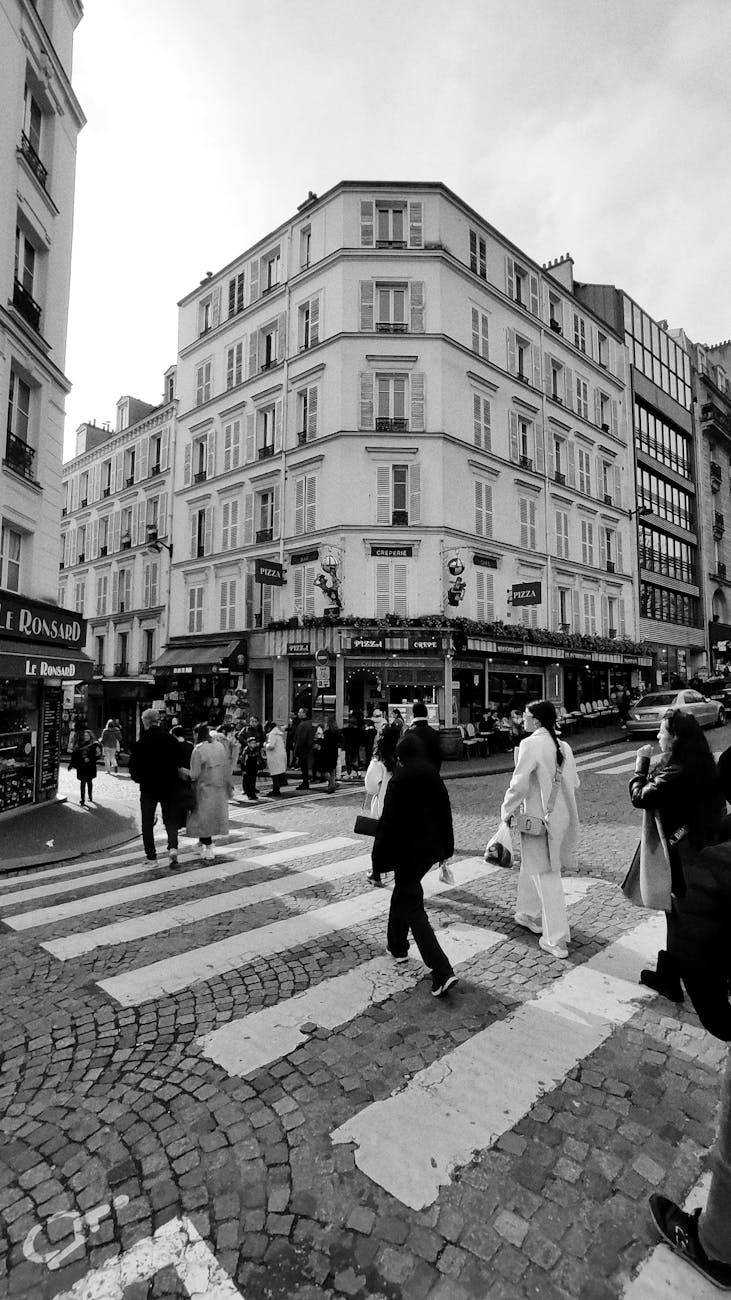
Whether you’re moving to a new job or a new country, you can’t help but notice the differences: differences in how people act, and differences in how systems work. Systems can include employment practices, education systems, media coverage, health delivery systems, and others.
In addition to all of these, one of the major differences I found in moving to France was how much more important the US is to France than France is to the US. Quick example: everyone I know in France knows the name of the US President and has an opinion about him. How many of you know the name of the French President? It’s Emmanuel Macron, in case you were wondering.
The presidential election in November has as much coverage in the French national press as it does in the US media. French newspaper coverage differs from the US in that the US has strong regional newspapers covering national and international news in addition to local newspapers. In France, national and international news are covered in newspapers published in Paris (Le Monde, Le Figaro, Libération). In Paris, we have Le Parisien for news about Paris.
What’s interesting is the amount of coverage given to the US presidential election. All the French national newspapers had reporters covering the conventions and the debates. There are entire sections of newspapers covering the US elections just as there are sections covering national news and other international news. Recently, not a day has gone by without French friends stopping me and wanting to talk about the elections. Most of them have added the term “swing-state” to their vocabulary.
The French fascination with American politics is not new. In 2012, when President Obama was running against Mitt Romney, there were weekly polls asking the French who they would vote for if they could vote in American elections. Obama received greater support in France than in the US. In 2007, during a French presidential election, a radio call-in show made the news by reporting that former US President Bill Clinton was born in Arkansas, which was part of New France before it became part of the USA as part of the Louisiana Purchase. As a result, he was eligible under French law to apply for French citizenship and run for President. A majority of callers said they would prefer him to either of the two finalists in the contest.
As part of daily news broadcasts, there is always business and economic news including the French stock index (le CAC 40), plus the Dow Jones and the NASDAQ because the US economic results affect the rest of the world.
For sports fans who don’t mind staying up real late, there are NBA games on a French cable channel with French announcers. At first, it felt strange to hear an announcer shouting,”Oh,la,la,” for a successful three-point shot. I see a lot of people wearing American baseball caps: mostly Yankees with a few Dodgers and Red Sox. If I see someone wearing a different team’s cap, I assume he or she is an American tourist.
Living in new places or working in new jobs presents us with the opportunity to challenge our assumptions, to learn that there may be more than one way to do something. It may be a better way. That’s for us to decide. Just as important as the freedom to decide is the ability to explore and understand what’s new and different. Without that, shouting “We’re Number 1,” lasts only until someone comes up with a better idea.
Blog Entry: September 12, 2024
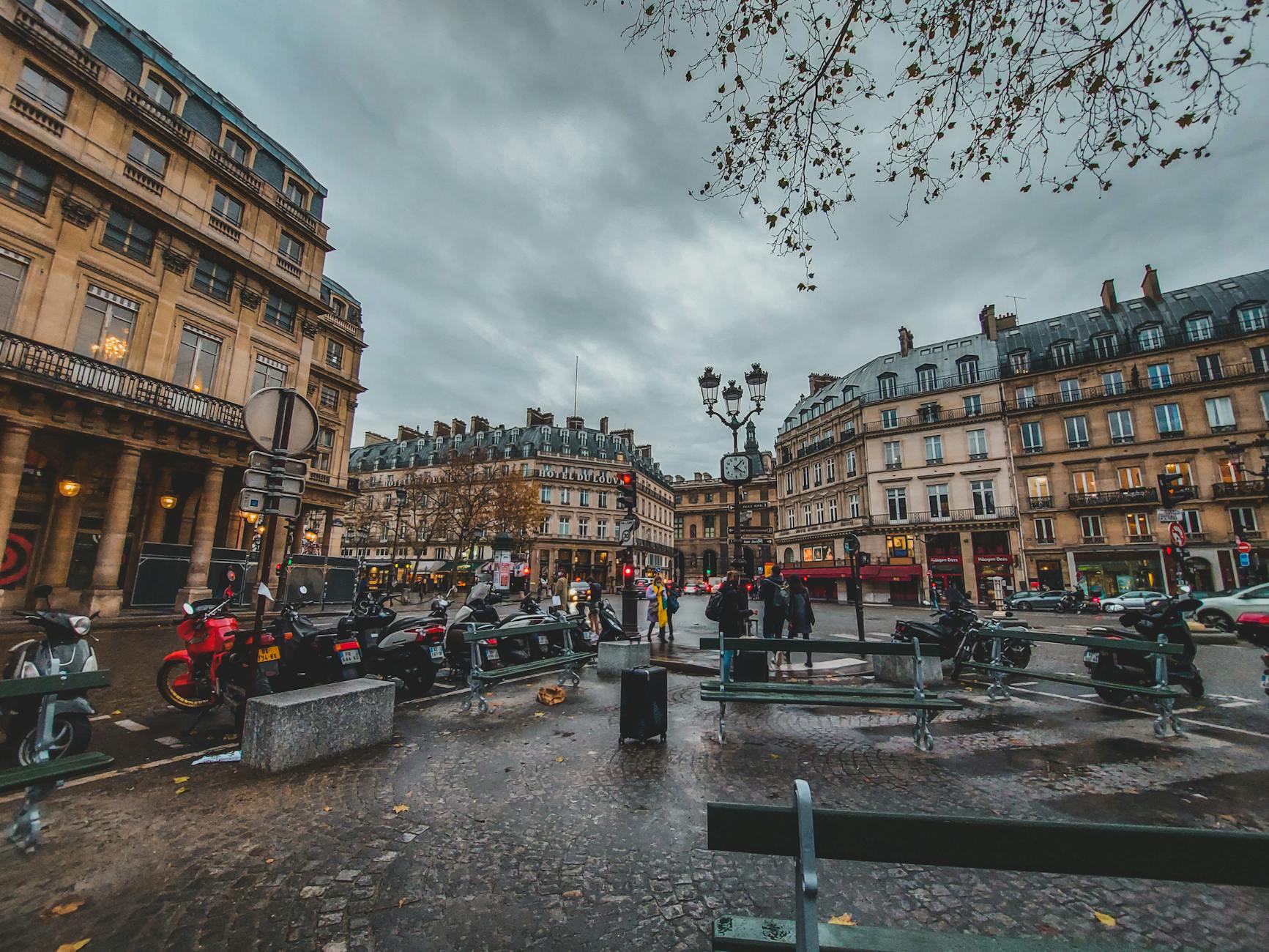
We have the same four seasons in the US and France: winter (hiver), spring (printemps), summer(été), and fall (automne). This is autumn and one of the things I miss now that I’m no longer living in New England is the fall foliage. There are no maps in the local newspapers about where to go to view peak foliage because there’s nothing to see. But fall is a special season here, so special that it has a more commonly used word to denote the season – la rentrée.
La rentrée means the return, and here’s a brief explanation of why we use that term. In France, every employee starts a job in the public or private sector with five weeks of vacation. You don’t earn more vacation by working additional years for the same company. If your job requires that you work more than 35 hours a week, you can have up to ten additional vacation days. Generally, employees take off for four weeks in July or August and then take another week between Christmas and New Years Day. Some businesses close for a month because they don’t have enough employees to continue operations. Whether they took vacation in July or August, everyone returns for September; thus, la rentrée.
In the US, the main special activity for that time of year is back to school. We have that here, as well. But as education is run by a national Ministry of Education, there’s a lot wider discussion. French schools don’t have lockers. Students have to carry whatever books and other supplies they will need to school and between classes. As education is run nationally, there’s discussion nationally on radio call-in programs about how much weight students will have to carry to school and how that compares with previous years. Schools send lists of school supplies that students will have to buy, and of course that generates discussion on the same radio programs about what it costs this year vs. previous years.
But back to school is only one part of la rentrée. Late in the summer, all the political parties hold meetings for their members where they decide what their programs will be when the National Assembly reconvenes after its summer recess. Part of the rentrée (la rentrée politique) is their holding press conferences to let the French public in on their plans.
Most new books published in France arrive in the bookstores in September. September and October are commonly referred to as “la rentrée littéraire,” As a result, this is the time of year when you have the greatest number of book reviews in newspapers and magazines that still do book reviews. It’s also the time for book prizes for the best works of fiction and non-fiction written in the French language. One of the more interesting prizes is the Prix des Deux Magots. Les Deux Magots is the café/restaurant where Jean-Paul Sartre and Simone de Beauvoir spent a lot of afternoons writing during the Second World War because it was heated, and they couldn’t afford coal to heat their apartment. Les Deux Magots has given a prize every year since 1933 to the book their chosen panel of reviewers consider to be the year’s best work of fiction.
Another major activity is the grape harvest and pressing the grapes to make wine. The media provide news about the harvest and predictions for the wine quality. Unfortunately, due to unfavorable weather, this year’s harvest is 18-20% below normal. It’s also the time for ‘la foire aux vins,’ (the wine fair) when every shop that sells wine offers a discount of 20% on selected bottles. That makes it a good time to replenish your wine cellar. The media wine reviewers give recommendations for which wines to buy at bargain prices, and the annual wine review guides also become available in September.
And, now, it’s time to sit back and enjoy a glass of wine.
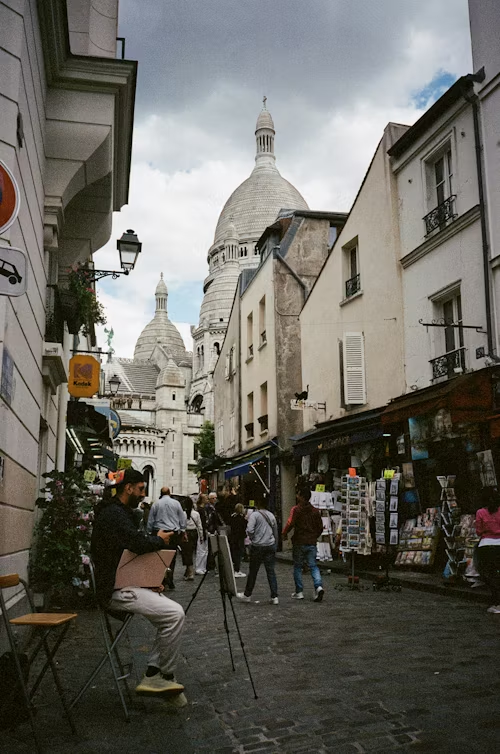
Montmartre – Image source Mariya Oliynyk Unsplash
Blog Entry: September 5, 2024
I live in a residential neighborhood of Paris, and I’m fortunate that most of the shops and services I need to patronize are 5-10 minutes from my apartment. We don’t see a lot of tourists here and when I hear someone speaking English, they’re usually picking up their children at a nearby bi-lingual (French, English) primary school. When friends come to visit and they want to see Paris, depending on how much time they have, I take them to some of my favorite neighborhoods. One of their most requested places is Montmartre.
Visiting friends are always struck by the beauty of the city, particularly the architectural harmony. There’s a reason for that: his name was Baron Haussmann.
Baron Haussmann was the Prefet of Paris from 1853 to 1870. A prefet is like a US governor, but the prefet is appointed by the president and not elected by the people. During his time in office, Haussmann executed an urban renewal plan that resulted in tearing down most of the city’s buildings and having them rebuilt in a style that became known as Haussmannian. The buildings are all the same height with the same number of floors so when you look to the horizon, it feels as if you can draw an uninterrupted straight line from the same level of any building all the way down the street.
He also replaced a lot of narrow, winding streets with grand boulevards. The public rationale for doing this was that Paris had suffered from cholera epidemics and the thought was that if there was more exposure to sunlight, all would be well. Historians suggest that another reason was that revolts against the government always started in Paris, and with the large connecting boulevards, it would be easy to move the army from one part of the city to another.
But Montmartre was not part of the urban renewal plans because it was an independent commune until it was annexed by Paris in 1860.When you’re there, you don’t feel as if you’re in Paris. You feel as if you’re in a village from an earlier time. In the past, it was famous for the artists who had their studios there: Van Gogh, Picasso, Renoir, Gris, Dali, Utrillo, and others. There’s a lot to see and do there. Here are some of my favorites.
Depending on your energy level, you can walk up the rue Lepic (lots of souvenir shops) and at 54 rue Lepic is the building where Vincent Van Gogh and his brother Theo lived. it’s not open to the public. Climbing further up the hill you arrive at the Basilique de Sacré Coeur (Basilica of the Sacred Heart) which is the second most frequently visited religious monument in Paris after Notre Dame. Aside from visiting the church, you have a great view overlooking the city. If you can arrange it, I’d recommend being there at dusk when the city turns on the street lamps.
Or, you can begin your tour at place des Abbesses where in the square Jehan Rictus is the I love you wall (le mur des Je t’aime). The artists Frédéric Baron, Claire Kito, and Daniel Boulogne assembled 612 enameled squares with 311 I love yous in 250 languages. There are also red pieces among the squares, which if put together would form a heart. That they are not together is meant to show a broken heart.
Hopefully, your wandering will take you to the place du Tertre known for the many artists who want to paint your caricature. It’s a good place to sit in a sidewalk cafe and relax, particularly if you climbed the hill to get there.
Not a final stop by any means, but the Musée de Montmartre is worth a visit. Auguste Renoir, Raoul Dufy, and Maurice Utrillo lived and worked here. The gardens and the cafe are an excellent way to restore your energy after a full day touring Montmartre.
Personal note: This week’s post is different as it describes things to do in Paris rather than cultural differences between France and the US. If you’d like to learn more about what’s happening in Paris, I’d suggest you check the website www.strollsparis.com. StrollsParis is a travel guide company owned by a friend. For Paris info, click on ‘Letters from Paris’ in the upper right corner.
Blog Entry: August 29, 2024
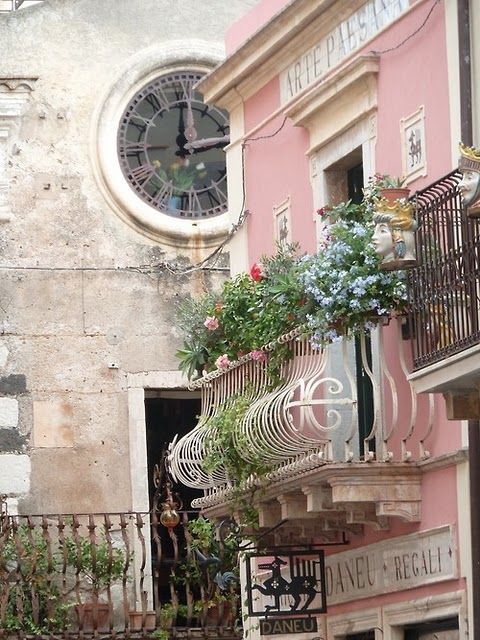
The French Constitution states that French is the language of France. Quebec law 101 makes French the official language of Quebec Province and restricts the use of English.
Neither the US Constitution nor any federal law makes English the national language of America. In the US, an immigrant applying for American citizenship, however, must demonstrate proficiency in English.
While Quebec is protecting or promoting French by restricting the use of English, France promotes French with an organization of French speaking countries – La Francophonie and by subsidizing teaching French overseas by the Alliance Française. But given the pace of change in today’s world and new words coming from new products and concepts, how do you protect a language? And why would you want to?
Let’s answer the second question first. Great Britain, France and Spain each had large empires. Spain lost most of its empire in the 19th century. In the 1950’s and 60’s, British and French colonies became independent, but the mindset that approved of colonization was looking for a substitute that would ensure the status of the former mother countries on the international stage. The thought was that our empire may be gone, but our zone of influence extends to wherever people speak our language. Great Britain developed the Commonwealth of Nations, while France created La Francophonie.
What France and Quebec have in common is that the invasive language is English. Canada has two official languages – English and French – so Quebec cannot totally outlaw the use of English. But they have laws requiring that the children of immigrants go to French schools, that outdoor business signs must be French only and apostrophes are forbidden. Joe’s Restaurant is now Chez Joe or Restaurant Joe. For indoor advertising, English is permitted, but it must be placed below French, and the font for the English must be half the size of the French font. Quebec French, however, has words that the French don’t use such as “tyres.” In American English, the word is “tires,” and in French, it’s “pneus.” The French say “chewing gum,” and the Quebecers say “pâte à mâcher..” The French say “Un Coca,” and the Quebecers say, “Un Coke.” On Quebec Stop signs, you see “Arrêt,” but on French Stop signs you see “Stop.”
France doesn’t have the same attitude toward protecting its language. France has had l’Académie Française since 1635. They decide which words are French and include them in the official dictionary of the French language. The current dictionary is the ninth edition, which gives you an idea of how quickly they work. By comparison, the Merriam-Webster’s most recent edition was the eleventh. All official French documents must use only the words in the dictionary of the Académie Française. There are many English words now used commonly in French; for example, borderline, brainstorming, and meeting. Some words, such as pipeline, are now in the official dictionary.
A more recent problem has been the use of French words because they sound like English words, but they don’t mean the same thing. The word “pathétique” in French is used to describe a sincere emotion, but we now see it used like the English word “pathetic.” The French verb “réportorier” means to deal with something, but is now being used like the English “to report on.” The French verb “partager” means to cut up and share, but it’s now being used as would English be used to say, “I’d like to share something with you.”
Languages, aside from Sumerian and a few others, are alive, which means they’re going to change. I don’t think it will work for countries to devote resources to try to protect their languages. No one asked me, but I would advise them to encourage research and development so that when a new product is developed, the developers have the right to name it and the rest of the world will add that word to the local language.
Blog Entry: August 22, 2024
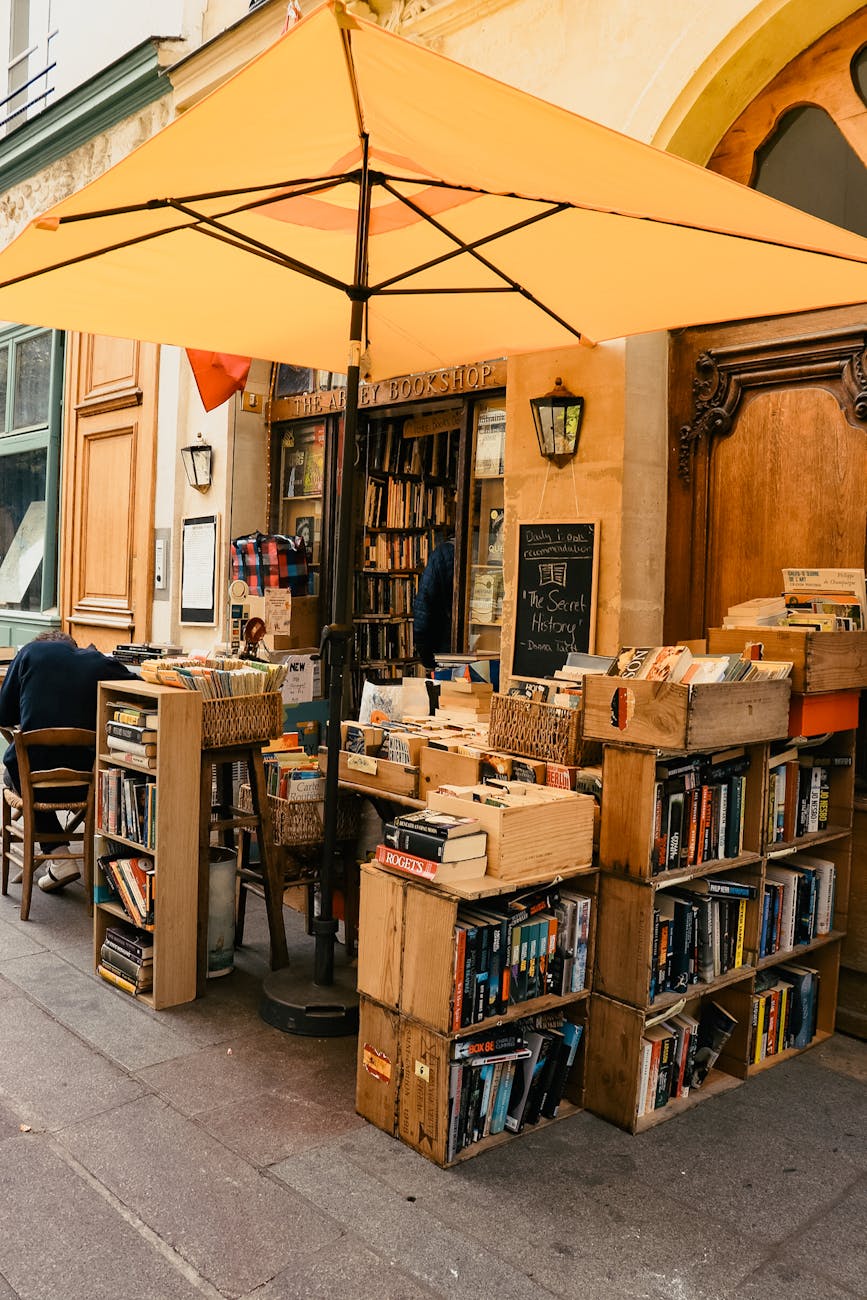
Paris is a city with a lot of small, individually owned, shops. There are large department stores, of course, but walking through a commercial area of Paris feels very different than walking through a shopping mall in the US.
Walking through one of the shopping malls in Paris also feels different than walking through a US shopping mall because the businesses in one shopping mall are generally not the same as in another shopping mall.
In fact, some of the world’s first shopping malls were created in Paris – les Passages Couverts. The earliest markets in Paris were located on the bridges over the Seine because the river was the easiest way to transport goods into Paris. In the city, horses and donkeys were the main means of transportation, and as a result, it was practically impossible to walk along the street without stepping in manure. At the end of the 18th century, a few developers had the idea of using the first floor of large apartment buildings as a shopping space, thinking that not having to watch where you stepped would allow you more time to look at shop windows. These passages couverts still exist and are worth a visit.
Observing the great number of individual businesses, it’s logical to assume that Parisian entrepreneurs wanted to have their own businesses. Note: The word entrepreneur was originally French (1430), in spite of a former US President saying that the problem with France was that they didn’t have a word for entrepreneur.
But businesses can only exist when there are clients that need the business plus other conditions that allow the business to succeed. Other conditions include such things as well maintained roads and sidewalks, security for the business and its customers, clean water and waste disposal, and the list goes on.
Let’s take a couple examples: bookstores and drug stores. There are no chain drug stores in France: no CVS, Walgreens or Rite-Aid. Why? There’s a law that every drug store has to be owned by a registered pharmacist and that a pharmacist can own only one drug store.
As the government negotiates the price of drugs with the pharmaceutical labs, all pharmacies charge the same price for prescription medicines. There are also no advertisements for medicines on television. And yes, we pay a lot less here for prescriptions than I would be paying in the US for the same medicines.
Paris has 400 independently owned bookstores. For comparison purposes, New York City with nearly four times the population of Paris has 571 bookstores.
There are several factors accounting for the large number of bookstores in the city. One is the Lang law passed in 1981 which requires that a bookstore must sell the book for 95-100% of the publisher’s list price. That prevents a large chain from selling books at a much lower price in order to put a competitor out of business. Another is that France is a member of the European Union (EU). Any citizen of a European Union country has the right to live and work in any country of the European Union. Likewise, any American citizen can live and work in any US state. The difference is that citizens of different EU countries don’t speak the same language. There are 27 EU countries and 24 official languages. But that also means that in addition to bookstores selling French books, there are lots of foreign language bookstores.
The obvious difference between the two countries is the role played by the government. Underlying the American approach is the idea that the free market will sort things out to everyone’s advantage. In France, the government believes that it needs to sometimes regulate the free market to ensure a level playing field and prevent the creation of monopolies. Which would you choose?
Blog Entry: August 15, 2024
When our knowledge of a place or a people comes from seeing pictures or reading stories, we tend to forget that things change and that pictures and stories don’t update themselves. If I were to ask you to think of a Frenchman, many people would think of a man wearing a beret and a blue worker’s outfit, and carrying a baguette (French Stick bread) under his arm. Aside from the baguette, you wouldn’t see that in Paris. Parisians think of people wearing berets as “hayseeds” if they’re French, and as naive tourists if they’re trying to look French.
It’s nice to have memories, while it’s also necessary to live with reality. Here’s another example: drinking wine. When you see pictures of tables in French restaurants, you almost always see wine glasses and perhaps a bottle. Interesting side note: some French restaurants are now asking customers not to take pictures of the food because they consider the way they arrange the food on the plate as a form of intellectual property.
Historians estimate that the first vineyards were planted in the south of what is now France in 500 BC. That’s a long history, and the French learned long ago that wine was safer to drink than water. Wine has never been responsible for a cholera epidemic, and besides, it tastes better. You might think that with normal increases in population, the amount of wine consumed would increase proportionately. But that hasn’t happened. In 1970, when the French population was 51 million, they drank 46 million hectolitres of wine. (A hectolitre is 100 liters). In 2023, with a population of 65.9 million, they drank 24 million hectolitres. The pace of the decrease is about 1.8% per year. In shops where wine is sold, the decrease is now 3% per year. The decrease has been greatest for red wine going from 5.1 million to 3.5 million hectolitres per year. Rose wine and white wine sales have not decreased as much. In polls, 37% of the French declared that they don’t drink wine at all.
Now that I’ve changed your idea of a French meal or a French happy hour (In French, “le happy hour”), you might ask why this has happened and what are the winemakers doing about it. For one thing the eating habits of the French have changed. The country is proud of its cuisine and the traditional French meal.
Since the Covid pandemic, however, eating habits have changed. Families still open a bottle of wine with dinner, but lunch is less often a sit-down meal. There are still French bistros with a traditional lunch of steak, fries, and 25 cl of wine, but there are just as many fast food restaurants, pizzerias, KFCs or their imitators. Lunch is now a meal that’s frequently a sandwich and a can of something to drink on the run. Life in general here has become more hurried since the end of the pandemic. For happy hours, clients are more likely to drink beer or a cocktail than a glass of wine. Mojitos and Aperol Spritz are still very popular.
And what are the winemakers doing? With the decrease in French consumption, many wineries have targeted their sales to customers living outside France. French wines and Champagnes already have a good reputation, and the winemakers have been able to increase the amount of wine sold overseas. In 2023, sales outside France totaled 11.2 billion euros in comparison with 4.5 billion in France.
That was not a permanent solution because there have been recent decreases in export sales. In the worst case, sales to China decreased 25% in one year because of unfavorable economic conditions in that country. The worst hit French wine growing region has been Bordeaux because the majority of their wine production is red wine – 85%. They had also been betting on steadily increased wine sales to China. Bordeaux has implemented a plan to plow up 9500 hectares of vineyards, which represents 10% of the total winegrowing land in Bordeaux. A hectare is 2.47 acres.
The government has set up an emergency fund to pay winemakers to distill their excess red wine into alcohol to be used in pharmaceuticals or perfumes. Another possible use is as a component of ethanol.
A lesson to be drawn from this is that it’s necessary to update our thoughts and images, sometimes in spite of nostalgia for the way things used to be. We still enjoy looking at photos from days past. We can afford to think of a France that existed fifty years ago, but the French winemakers cannot. We change, but so does the world around us.
A second thought is that you might enjoy a glass of wine after reading this – preferably French.
Blog Entry: August 7, 2024

Image: The Seine – Olympics 2024 – Source-Pinterest
Friends both here and in the US have wanted to share their impressions of the opening ceremonies of the Olympic Games. Their comments covered a range of opinions from wonderful, breathtaking to incomprehensible to completely inappropriate for the Olympics to shameful. Most of the positive comments came from Americans and the negative comments from the French. That’s not surprising. As the writer Sylvain Tesson wrote, “France is a paradise inhabited by people who think they’re in hell.”
It’s interesting that people are still talking as much about the opening as they are about some of the actual competition at the Games. What all the opinions had in common was an acknowledgement of the audacity of the ceremonies. I’ve seen audacity defined as the bold disregard of normal restraints or a willingness to take bold risks. That means the results could be either good or bad in the judgment of the opinionator.
I have found audacity to be part of the Parisian character which thrives alongside an appreciation of history dating back to the city’s founding in the 3rd century BC. You can walk along most streets here and feel the history.
The audacity and history strike you in Montmartre when standing in front of the Bateau Lavoir remembering that this was Picasso’s studio.
Or in Saint-Germain-des-Prés by the Café de Flore where Jean-Paul Sartre and Simone de Beauvoir spent their winter days writing during the Second World War because you could pay for one cup of coffee and sit there all day long and the place was heated.
The audacity strikes you in economic sectors where France is a world leader. Think of high fashion: Chanel, Hermès, Lanvin, Yves Saint Laurent. They didn’t become famous or stay that way by copying what others were doing. They took bold risks in order to be noticed.
Aside from the performance of Celine Dion, which everyone loved, there were two things in the ceremony that attracted my friends’ attention and sometimes criticism. They were the performance of Aya Nakamura on the Pont des Arts and the depiction that some referred to as a representation of the Last Supper and others as a Bacchanalia.
What is televised from the Olympics depends on the country where you are watching television. Everything is being filmed, but different countries select different parts of the opening ceremonies and usually select events based on one of the country’s athlete’s chances of winning a medal. In France, in addition to swimming (Léon Marchand), there’s a lot of coverage of fencing and judo. Had I spoken with people outside France and the US, they might have seen different parts of the opening ceremonies.
Aya Nakamura is a very popular French singer. She sang four songs for her performance: “For Me, Formidable,” and “La Bohème” that are classics of the French songbook originally written and performed by Charles Aznavour in the 60’s. She also sang two of her own recent compositions, “Djadja” and “Pookie.” In the background when she was singing was l’Institut de France, the building that houses l’Académie Française. L’Académie Française was founded by Cardinal Richelieu in 1634 during the reign of Louis XIII. Its purpose was (and still is) to define the French language and take responsibility for the official dictionary of the French language.
The Preamble of the French Constitution states that French is the language of France. The Académie has been revising and updating the official French dictionary since 1635. All official documents, including theses must use only the words found in the dictionary. Revising the dictionary is like painting the Golden Gate bridge. As soon as they finish, they start over again. But French, like English, is a living language. In addition to slang, there are lots of English words that are commonly used in French, because the word existed in English and was used by the French before l’Acadadémie could decide whether to make it part of the official dictionary. For example, you more commonly see the word ‘mail’ for email rather than ‘courriel’ which is the official dictionary word. You will not see ‘mail’ in an official document.
Aya Nakamura’s songs were filled with slang expressions that are part of everyday French, but are not in the official dictionary. She sang them standing in front of the Institut de France as if to deliver a message that there was more to the French language as spoken by the French than the words in the official dictionary. An extension of that message was that French history has not stopped: it is still being made, so open your eyes and ears and join in creating a future. Her performance was not a source of controversy. People understood the message and liked the songs.
The Last Supper sequence was immediately and still is controversial. The opening ceremonies artistic director, Thomas Jolly, has received death threats.What viewers saw was a group of drag queens seated at a table similar to the setting in Leonardo DaVinci’s painting in Milan. The person in the center had an aura on her head. Very quickly, a man representing the Roman god Bacchus joins the group. The first outcry came from Catholic clergy who said that the scene insulted Christianity. The Olympic Committee’s first response was that the scene was not meant to portray the Last Supper, but a Bacchanalia. Conservative politicians then joined the discussion saying what they saw was the Last Supper until Bacchus joined the group. The Olympic Committee then apologized to anyone who was offended by the scene which they might have thought was a representation of the Last Supper.
The opening ceremonies were audacious. People will continue talking about them with either positive or negative opinions. Being talked about is part of the reward for the audacious.
Blog Entry: August 1, 2024

Those of us who watched the opening ceremonies of the Paris Olympics were treated to Celine Dion’s performance of “L’Hymne à l’Amour.” The song was originally recorded by Edith Piaf in 1950 and has an interesting history. Piaf recorded the song in 1950 and unlike most of her recordings, she wrote the words. She wrote them in memory of her lover, Marcel Cerdan, who was killed in a plane crash returning from the USA where he had lost his World Middleweight boxing title. The final line is “Dieu réunit ceux qui s’aiment” – “God reunites those who love one another.” Cerdan was married to someone else at the time. He and Piaf were living together, but there was no scandal, no public shaming.
I’ve learned that there’s a different idea of what’s the public’s business and what isn’t in the two countries. Classic example: François Mitterrand was the President of France from 1981 to 1995. At a press conference toward the end of his second term, a reporter from “Paris Match” magazine asked him if he was living with another woman who was not his wife and if the two of them had a child. He replied, “Oui, et alors?” “Yes, so what?” If you think this caused a scandal, you’d be correct, but it was probably not the scandal you have in mind. The scandal, the public disapproval, was that a reporter asked a public figure about his private life. During “Monicagate,” many of my French colleagues came to me not understanding how a President of the United States could be impeached for having an affair with an intern. For them, he had to answer to his wife and child, but it was none of the public’s business.
The above examples are political, but the pattern touches upon other areas of life. In an American suburb, driving along a street, you see the front yards of houses and driveways. In a French suburb, you see fences with gates. The gate is locked. You can sometimes see the house behind the fence, but you cannot see inside the house. In cities, ground floor windows frequently have shutters.
We all live in communities, but what is considered community and what is private differs in different countries. Neighborhood Watch is a common program in American cities and towns. French police heard about the idea and thought it would help to have the same program in France. They decided to do a pilot project to see how to implement it and how it would work in France. When they had public meetings to discuss the project, there were two common responses. First, you’re paid to be the police; we’re not. Second, we don’t spy on our neighbors here. Although there is almost no one alive today who was an adult when France was occupied by the Germans in WWII, there are stories transmitted from one generation to the next about the French police cooperating with the Gestapo.
And yet, we socialize. We have our private lives and our social lives. There are still many clubs in Paris and other cities for group activities. There are Bridge clubs, hiking clubs, Chess clubs, dancing clubs and others. In Paris, the current dance craze is the tango. Where my stepdaughter lives in Burgundy, the favorite is square dancing and everyone comes dressed as cowboys or cowgirls.
All this illustrates is that in different places there are different social codes: behaviors that are acceptable and those that are not. When we are in shops, we know that we have to exchange “Bonjour” with a clerk or cashier before saying what we want to buy. If not, we’re being rude. When we’re walking along a sidewalk, we avoid eye contact with people approaching us. Except with family members or close friends, we don’t address one another with first names. I’ve lived in the same apartment building for more than twenty years. There are other residents who have lived here just as long or longer. I may know someone’s first name, but I still address them as Monsieur or Madame.
In countries as in companies, the key to successfully integrating is learning how to observe in order to understand and then adopting the country or company codes.
Blog Entry: July 24, 2024

Image: Stade de France – Source-Pinterest
You’ve no doubt heard that the Olympic Games are being held in Paris this year. They start Friday July 26th in the evening – Paris time. Competition to host the Olympic Games hasn’t been as intense as in past years. In the competition for this year’s games, one finalist, Boston, withdrew when they saw the cost. The two remaining finalists were Paris and Los Angeles. Paris hosts the games this year and Los Angeles in 2028. The Paris Olympic Committee decided they were going to do things differently to avoid the problems that other cities have had paying the staggering debt for a lot of sport facilities that their own citizens never use; for example, Athens.
The Parisian idea was to use existing facilities and rather than construct permanent venues for events that happen only at the Olympics, transform the city of Paris and the surrounding cities into an Olympic Games site. You’re right to ask how you do that, while the Parisians are asking why you’d want to do that.
Answers to your questions first. Here are some examples.
Beach volleyball needed a venue but Paris doesn’t have any beaches. Solution: le Champs de Mars. The Champs de Mars is the site of the Eiffel Tower. There’s now a temporary outdoor arena with sand for beach volleyball. And what about equestrian events? Problem solved – the grounds of the Palace at Versailles: Louis XIV would have loved it. He might have been an Olympian. And, break dancing and skateboarding – set up grandstands at la place de la Concorde. The new permanent facilities for the Olympics are an aquatic center and the Olympic Village. The housing at the Olympic Village will become much needed public housing after the Olympics. What about the swimming leg of the triathlon? We have the Seine River and the government spent $1.5 billion to depollute the Seine. The Paris Mayor, Anne Hidalgo, recently went swimming there to show that the river would be swimmable in time for the Olympics.
For the Olympic Committee, another important consideration was the carbon footprint of hosting the Olympics. I don’t know how they produced the numbers, but they concluded that using or converting existing facilities would be less polluting than building a lot of new facilities, particularly since there is almost no open land available in Paris.
And now for the Parisian questions. Parisians have a reputation for being complainers. I’ve heard that from waiters in other European countries. Maybe I’ve become Parisian, but I think they’re right this time. The opening ceremony for the Olympics will differ from all other Olympic opening ceremonies. This is France: that’s what we do. Rather than have athletes from all countries march into a stadium, there will be a flotilla of barges on the Seine transporting each team from the Pont (Bridge) d’Austerlitz in the east to the Pont d’Alma in the west. The Pont d’Alma is the closest bridge to the Eiffel Tower.
That’s a distance of about six miles and the police need to provide protection against possible terrorist attacks along the river and at all the venues. There will be 45,000 police and gendarmes plus 18,000 on duty soldiers to provide protection. In case you’re thinking, that doesn’t sound sufficient, wait. Paris has been divided into security zones: the closer to an Olympic venue, the greater the level of security. There are zones where you cannot drive a car under any conditions. There are zones where you must have either a ticket to an Olympic event or a special QR code just to be there. Even now before the Olympics, it’s really difficult to take a taxi from one side of the Seine to the other because of the bridges being closed to traffic. Oh, and the cost of a Metro or bus ticket has doubled for the Olympics. When London hosted the Olympics four years ago, public transportation was free.
I don’t live close enough to any of the Olympic venues to need a QR code. The only personal inconvenience will be that a large part of a neighborhood park where I like to go for walks or to meet up with friends to complain about the Olympics will be closed to the public so that it can be used for receptions for the major Olympic sponsors.
Still, the Olympics make for great television. I hope you’re able to enjoy the sport plus the beauty of the city I’m lucky enough to call home. Getting this off my chest will improve my mood as well.
Blog Entry: July 19, 2024
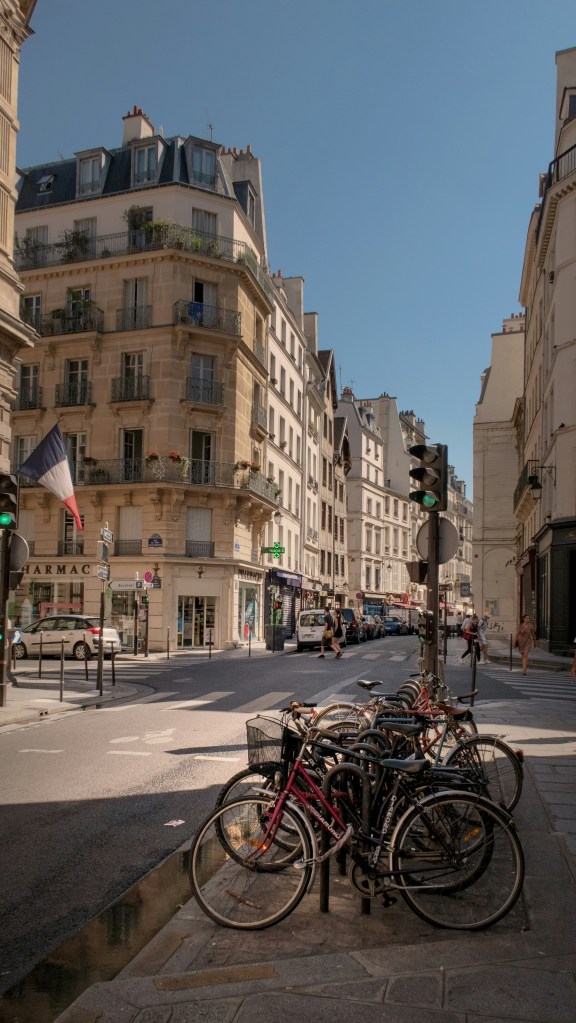
Image source: svetlana-gumerova-fwLRfr7B0uw-unsplash (1)
After the recent elections, the French government (or more accurately French politicians) find themselves in a situation that the people who wrote the Constitution for the Fifth Republic couldn’t imagine happening. The Constitution assumed that elections would produce a majority in the National Assembly and the majority would then rule. There was an additional assumption that the National Assembly majority would be from the same party as the President, elected by a direct vote in a separate election. In the past, there have been situations where the majority party in the National Assembly was not the President’s party. The French refer to that as cohabitation. But now, there’s an entirely different problem. The recent elections resulted in three groups in the National Assembly (right, left, and center), but no majority.
In the past, when there was a majority, the majority knew that it was their role to govern the country and the minority knew that it was their role to oppose whatever the majority wanted to do. There was no working across the aisle because there was no need. What the minority would do when legislation was being debated was to propose amendment after amendment to delay a final vote on the legislation. With great foresight the Constitution’s authors added Article 49-3, which allows a prime minister to declare a law passed without a vote of the National Assembly. This allows the majority to claim that they are working on behalf of the French people and the minority to accuse the majority of being dictators.
Of the three blocs elected to the National Assembly, the one that gained the most seats was a leftist coalition that was formed just before the recent legislative elections. It includes four member parties: Socialists, Communists, Greens and France Unbowed (la France Insoumise) , an extreme left-wing party. The four parties have been unable to agree among themselves about who they should propose to be the prime minister and France Unbowed is now refusing to negotiate with the three other parties. It’s the president’s responsibility to select a prime minister, but for the prime minister to serve, the nomination must be approved by the National Assembly. We are in a situation, in which the former prime minister has submitted his resignation to the president, but the president has asked him to continue serving until an uncertain date in the future. Ministers are allowed to keep their positions, but only to ensure the day-to-day running of the government. They cannot vote on anything such as next year’s annual budget. This is known as a ghost government. But so far, the mail is being delivered and the trash is being picked up.
What can we make of all of this? A couple questions come to mind. First, how do you deal with the unforeseen, particularly when doing nothing is not a possibility? And secondly, how do you move to a negotiated solution when the parties don’t believe that it’s in their interest to negotiate? The second question / problem is less likely to occur in the private sector because there are clear lines of authority. Companies are not democracies. There may or may not be negotiation, but where the final decision is made is clear. Interestingly enough, several of the management training courses I took used game playing to teach that negotiation and compromise that suited all players was better than everyone trying to maximize their advantage at the expense of everyone else. At the time, no one told us that whatever we decided could be vetoed by a higher authority. You may have seen how the game theory idea was developed in the movie, “A Brilliant Mind,” which was based on the work of Nobel laureate John Forbes Nash.
Dealing with the unforeseen can happen to any organization at any time. How do you plan to deal with something that you never thought would happen, if you thought about it at all? Neither I nor the French politicians seem to have the answers and even though I’m retired, I’d enjoy reading your thoughts on the subject.
Blog Entry: July 12, 2024
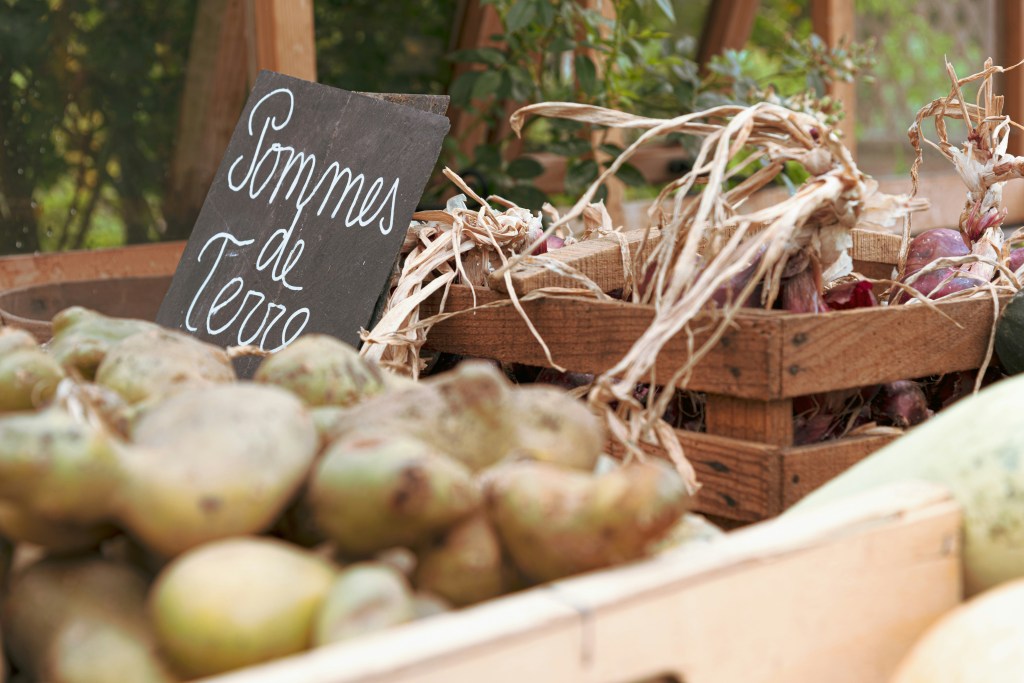
Earlier this week, my granddaughter stayed with me between the arrival of her flight from Japan and her train home to Burgundy the next day. In spite of the jet lag, she wanted to share the impressions she had of Japan. Our conversation became a discussion of things we saw in foreign countries that we wished we had in France. We both had lists: hers was longer than mine. We found one thing in common, whether it was from my life in the USA or her three month stay in Japan. Let’s call it orderliness or individualism.
Here’s an example. In crowded pedestrian walkways in places like airports, there are frequently lines drawn so that everyone on one side of the line is moving in the same direction. In the USA, as we drive on the right, we tend to stay on the right side of the line. It’s the opposite in Japan, where people drive on the left. In Paris, people go wherever they see a small opening in order to get somewhere as soon as possible – lines or no lines.
Bicycles are another example. In Paris, there are bicycle lanes and traffic lights with red and green lights for bicycles. By law, they’re supposed to stop for red lights so that pedestrians can safely cross the street. But they don’t. They will stop if there’s a crowd crossing in the pedestrian “zebra crossing,” but if they think that they can navigate around the crowd, they will unless there’s a police officer standing there.
If you, a pedestrian, say something, a typical reply might be, “You’re not the police, so you can’t tell me what to do.” That raises an interesting question: why do people obey laws. It may be because they see that the law represents the common good and therefore they and everyone else should obey it. Or it may be that the penalty for not obeying it if you’re caught is severe enough so that you’re better off obeying it.
I sometimes wonder if the history of the two countries influences their citizens’ attitudes toward law enforcement and government. France was a monarchy until 1789, and between 1789 and today there have been two empires, a restored monarchy, a collaborationist state during the Second World War, and five republics.
In the US, during the same period, we have had one republic with the Constitution with its twenty seven amendments. Hopefully, Americans believe that the police are there to protect and serve everyone. You can sometimes read that on their cruisers.
Given its history, the French believe that historically, the police were there to protect the king and the nobility against the common people. If you think this attitude – this individualism – would make the country difficult to govern, you’re in good company. General De Gaulle once said, “How could anyone govern a country that has more than 300 varieties of cheese?”.
But, I’m reminded of another event in French history that reinforces this, but in a more lighthearted fashion. This is the story of Antoine Parmentier and the potato.
Antoine Parmentier was a professor of food chemistry who served as pharmacist in the army during the Seven Years War (1756-1763). He was captured, made a POW, and interned in Prussia. While there, he ate potatoes for the first time and recognized their nutritional value. At the time in France, potatoes were grown in Alsace Lorraine, Savoy and in the Midi, but not in the Parisian region. The Parisian Parliament passed a law banning the cultivation of potatoes in 1748. There were famines in France in 1769 and 1770 at a time when the major part of an average French diet was bread. In 1786, Parmentier had published papers including recipes for making bread from potato flour, but for the ordinary Frenchman, the reaction was that if they want us to eat potatoes, it’s because the rich want to keep all the wheat flour for themselves.
Parmentier acquired two fields away from Paris where he grew potatoes and showed that he not only knew how to grow potatoes, but that he understood his fellow citizens. During the day, he made sure the fields were guarded by soldiers who prevented people from taking potatoes. He purposely left the fields unguarded at night, knowing that being able to get away with something would be enough of a temptation to convince people to try potatoes.
It worked. Potatoes became a staple. On restaurant menus now, when you see a dish ‘Parmentier’ such as omelet parmentier, you know that it contains potatoes.
Do I expect the Parisians to become as orderly as the Japanese anytime soon? No, but I’ve adjusted without becoming disorderly myself – most of the time, anyway.
Blog Entry: July 4, 2024
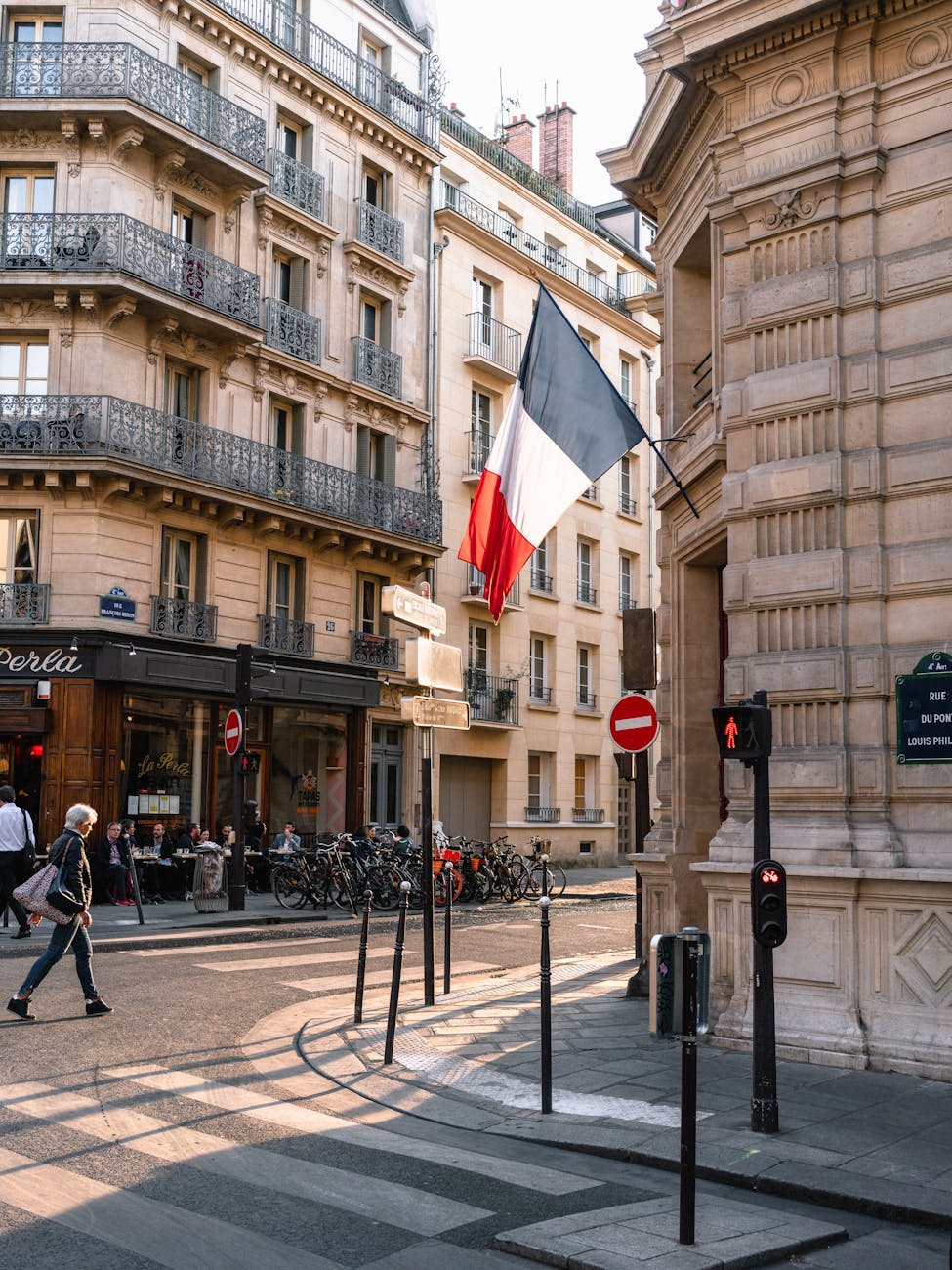
If you follow the news, you probably know that we have been holding elections in France, only one of which was being discussed a couple weeks ago.
The expected election was to elect the French representatives to the European Union Parliament. That happened, and although the results were in line (for once) with what the polls had been predicting, they were a disaster for President Macron and his party. He decided to dissolve the National Assembly and call for new elections. Yes, the National Assembly and the European Union Parliament are two separate bodies, so why he decided to do that has everyone shaking their heads including members of his own party. He said it was to have a clarification.
For the National Assembly, the first round was last Sunday. The next (final) round will be this Sunday. Rather than give you a lesson in how the French government is set up, I thought it would be interesting to describe what you would notice about how elections are run here and how that differs from the US. If you have any specific questions about the French government, be sure to ask and I’ll try to answer them. I am not a French citizen: I’m an American who has lived here for twenty five years.
The first thing you’d notice is the total absence of political ads on television and radio. An exception is for the presidential election when in the final period of campaigning, the two finalists are given equal time to convince the public to vote for them. Another reason is there’s a fairness doctrine for the media as there used to be in the US.
In the US, most political contests are between two parties. In France, there are two rounds of voting. In the first round, all parties present their candidates or lists of candidates. There are a lot more than two parties. The political spectrum includes royalist parties that want to end the republic and restore the monarchy, two extreme right nationalist parties, two Communist parties (one Stalinist and one Trotskyite), a Socialist party, a Gaullist (center right) party (current name: les Républicains), Green parties, left wing non-Communist parties that include former Communists, a hunting and fishing advocates party, and parties that want to quit the European Union. If stations had to give equal time to every party, there wouldn’t be time for anything else. In the second round, the top two finalists campaign against one another.
If a candidate receives more than 50% of the vote in the first round, there is no second round.
Without television, how does campaigning take place? In general, there’s a lot more in-person campaigning either by the candidates or their campaign teams. That’s possible because in France, a representative (deputé) represents on average 114,000 people. In the US, a representative represents on average 765,000 people. The US Permanent Apportionment Act of 1929 set the number of representatives at 435. At the time, the US population was 121,767,000. The number of representatives hasn’t been modified since then.
But back to campaigning in France. In the campaign season, the candidates and their teams set themselves up in strategic locations in the neighborhoods. They hand out leaflets in favor of their candidates. You can talk with the candidate, tell him or her what you think about issues and have a good exchange of opinions. I’ve met both the representatives who have served the district where I live. When I was speaking with the former representative, he noticed my accent when I spoke French and switched to English. He was a graduate of Harvard Law so his English was as good as mine.
Early in the campaign season, the government erects billboards at different locations and candidates put their campaign posters there. Neighborhood graffiti specialists then add their personal touches to the candidates they don’t like. During the campaign, celebrities sign petitions in favor (or sometimes against) candidates and give them to the newspapers for publication.
Voting differs as well. In France, there is a separate day for each election, but it’s always a Sunday. The presidential and legislative elections are not held on the same day. In a US national election you could have a contest for president, representative, senator, and state offices on the same ballot.
In France when you present yourself at the polling place and show your national identity card, you are given an empty envelope and separate pieces of paper, each one with the name of one of the candidates running for the office being contested that day. You vote by putting one piece of paper in the envelope and putting it in the ballot box. You can also cast a blank vote by putting an empty envelope in the ballot box.
After that, it would feel familiar. The votes are counted. Someone wins and someone loses.
Blog Entry: June 28, 2024
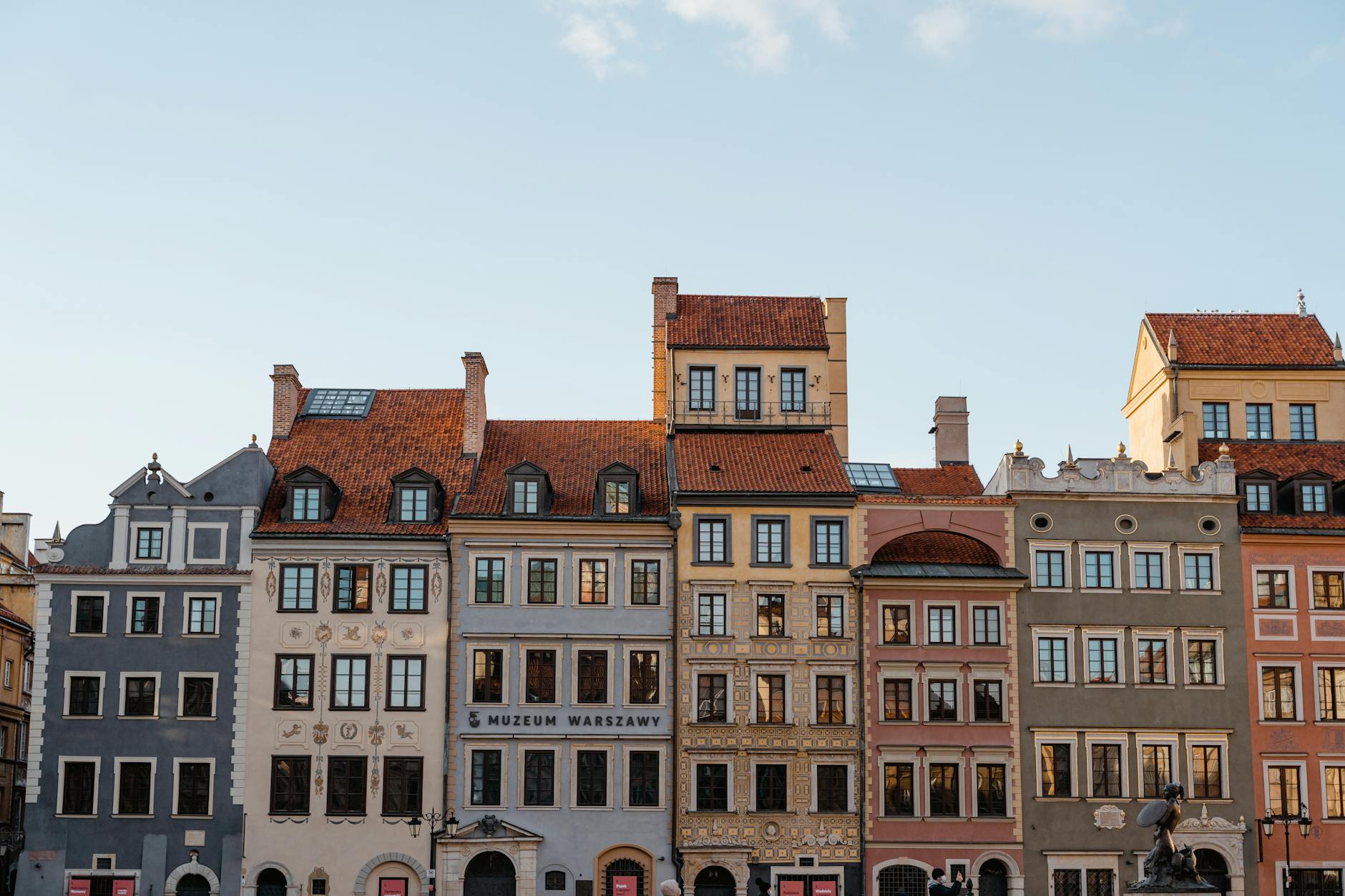
Have you ever wondered what life would be like if you accepted a job offer and moved overseas? Let’s think about what that entails for a while.
You’d need to think about where you were going to live, if you would need a car, how to open bank accounts, and if you have kids, where would they go to school. And that’s just the beginning. Let’s say you have a car, what about a different driver’s license? Most French companies that hire employees from outside France have a team to help the employee with all of the above, plus moving expenses.
The driver’s license is different, but if you’re moving to France and live in New Hampshire, you can go to a police station and change your NH driver’s license for a French driver’s license.
NH is one of five US states that has an agreement with France that makes it possible to get a license without needing to take either a written test or driving test. Massachusetts doesn’t have the same agreement so I had to go back to driver education training to get a French license. The test was much more difficult than in MA, but once you have a license, it’s permanent: you don’t have to renew it every five years. The picture on most driver’s licenses is the one they took when you were eighteen years old.
But let’s say you’re here in Paris, for example, have found a place to live (not always easy), understood that you don’t need a car and are ready to begin life in Paris. How do you know what other adjustments you’ll need to make? You’ll need to learn how to pay attention to what is going on around you using all your senses and your intelligence to deal with the unexpected.You need to be willing to ask for advice and learn from your incorrect assumptions. Let me give you some examples of what’s different.
How about food shopping? In Paris, most food shops open at 9AM and close at 7:30PM: no 24 hour shopping. Food shops open Sunday mornings, but butchers and fish shops are closed on Mondays. There will always be a boulangerie (bread bakery) open close by, but none are open seven days a week. My favorite place closes on Sundays. A lot of food shops close for the month of August which is when the majority of Parisians go on vacation. So you make adjustments.
And another adjustment for Americans: Thanksgiving. I’m sure you already knew that Thanksgiving is not a French holiday. But if you’re thinking, I’ll buy the same food here and we’ll celebrate Thanksgiving in Paris. Sorry! Turkey is a food featured at Christmas in France. There are no turkeys available in November. Now maybe you’ve become friendly with a local butcher and ask him if he’ll do you a favor and order you a turkey for Thanksgiving. Problem solved: not yet. We live in small spaces and Parisian ovens are not large enough to roast a turkey. If the butcher was nice enough to order it for you, he might also be willing to roast it for you.
Want to bake your own pies? Of course you do, it’s Thanksgiving. But French flour is different from American flour and following an American recipe won’t produce what you wanted. It’s impossible to find American flour in France so you’d be better off going to a local pastry shop.
And something really fundamental: drinking water. Here’s a tip: when you go for a long walk, bring an empty water bottle with you.The City of Paris has fountains with drinkable water almost everywhere. And it’s free. OK, someone is paying for it: Parisian taxpayers. As a Parisian taxpayer, I’m happy to have you drink all the water that you want. The city is trying to decrease the use of single-use plastic. One of the not quite so famous monuments are the Wallace fountains. There are 103 of them in the city.
The fountains were a gift to the city from Sir Richard Wallace, a British Member of Parliament who preferred living in Paris. During the Franco-Prussian war (1870-71), he set up soup kitchens for the poor. What motivated him to pay for the fountains was that during the war, the Prussians destroyed the aqueducts that brought clean water to Paris. That left the Seine as the only source of freshwater and the Parisians had enough memories of cholera epidemics to know it wasn’t safe to drink.The result was that Parisian children were drinking wine instead of water and and seeing drunk kids motivated Sir Richard to do something to ensure that every Parisian would have access to clean drinking water. He considered sobriety a virtue.
There’s a lot more to write about the adjustments you’ll need to make and things you’d learn by living here, but I’ll save that for other posts.
Blog Entry: June 21, 2024

Here it is Friday and here’s another article.
As I’ve written, I retired thirteen years ago. Having worked in three different countries has made it possible for me to compare the work experiences and indulge in thinking which practices from one country’s work environment would be transferable and make life better in another country.
It’s easier to talk about characteristics in a work environment and think, wouldn’t it be nice if we did things similarly here or there because work environments are comparatively stand-alone. It doesn’t work as well to compare national practices outside the work environment.
For example, I prefer the health insurance system we have in France to the one I knew in the US, even with the passage of the Affordable Care Act. When I’ve been in the US to visit with family and friends, I’ve been asked about how the healthcare system works in France. When I explain it in detail, the frequent reply I get is, “Gee, I wish we had something like that here.” To which I reply, every time there’s legislation proposed to move in that direction, someone says that’s socialized medicine or talks about death panels and things stay as they are.
The health care system here works because the public and the government support the government’s management of the health care system. Medical schools are public and are tuition-free so doctors don’t start a practice with a large amount of debt. Most hospitals are public so there’s no concern about them being purchased by a hedge fund which forces them into bankruptcy. Between the public health care system and the supplemental private health insurance provided by employers, there’s no such thing as a financially catastrophic illness.
Another example: I live in a walkable city. The only walkable city I know in the US is New York. For the US to create walkable cities would require a huge investment in public transportation. At rush hours In the Paris Metro (subway system), there’s a train every 2-3 minutes. For the T in Boston, the wait is 5-10 minutes on a good day. Boston, at least, has a public transportation system and worries about its shortcomings.
But getting back to things specific to work environments, there are things I experienced working in France that I wish existed in the US, and things in the US that I wish existed in France.
For starters, in the US, I would have enjoyed the benefits of a Comité Social et Economique. This is a committee of elected employee representatives that receives a percentage of the company revenues to spend for the benefit of employees. It included such things as subsidized vacations, legal assistance, and tickets to sporting events. The company gives the committee between 0.20% and 0.22% of the total amount paid in salaries for the preceding year.
The subsidies for events were partial: the lower an employee’s salary grade, the higher the subsidy. A lot of the activities, such as travel and sporting events were group activities which gave employees a chance to socialize and get to know other employees whom they might not meet in their everyday job. Oh, and celebrating employee successes with wine and cheese is a lot better than celebrating with milk and cookies.
One trait that I wish the French would adopt from the US is showing up on time for meetings. There’s a cultural phenomenon that I learned about the hard way. As an example, if someone invites you to their home for dinner at 7:30, that means they expect you no earlier than 7:45. If you arrive earlier than that, it’s considered rude. I once arrived ten minutes early, and was told to come back ten minutes later. When I was a manager, however, I let employees know that it was important for them to be on time. They learned.
But as I said at the beginning, I’m retired and these are wishes for what might have been. I’m sharing them. They’re yours to do with as you please.
Blog Entry: June 14, 2024
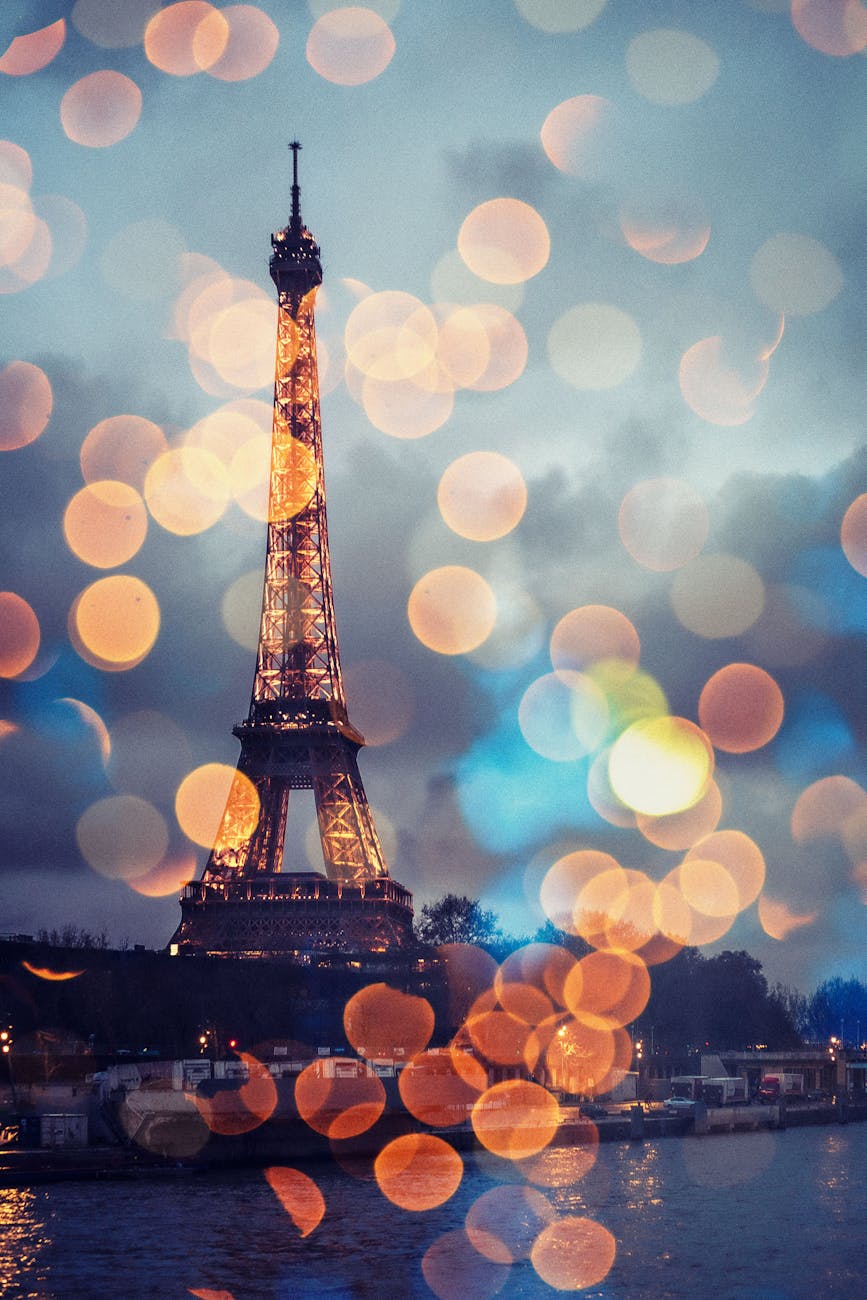
I imagine that some of you might be wondering why I chose to live in France. Here’s the story.
I was a Peace Corps volunteer in Bizerte,Tunisia from September 1966 to June 1969. Like many Peace Corps volunteers at the time, I was teaching English as a foreign language to high school students. The school faculty included both Tunisian and French teachers for all subjects except English, which was taught by Peace Corps volunteers. The French teachers were either French citizens who wanted to remain in Tunisia after independence or men who applied to teach there as an alternative to compulsory military service. We Americans did not become friends quickly with most of the French faculty members, but there were exceptions.
Jean-Paul and Solange were a French married couple teaching French, which was the second official language of the country. Both of them, however, had been English majors at the Sorbonne, and wanted to improve their English so that they could become English teachers when they returned to France. They became friends with the English speaking volunteers. They invited us for meals, which allowed me to have the pleasure of eating French cuisine. I still remember the first meal: Poulet (chicken) Marengo, and thinking I’ve got to learn how to do this. During one spring vacation, we traveled through the Sahara desert.
At the end of my Peace Corps service, I returned to the US, to continue my studies for a Masters degree and we exchanged letters. As they didn’t have a telephone and email hadn’t been invented, that was the only means of communication available. One summer, they spent their vacation in the US and visited with me in upstate New York. Two years after I returned to the US, they returned to France and lived in Amiens in the northeast of the country. I completed my MS in 1972 and moved to Massachusetts, my home state. Amiens is known for cold, rainy weather most of the year. I visited them there in 1972: it rained a lot.
They moved to Guadeloupe in 1973. I married my first wife in 1975. Again, we continued corresponding by letters as they still didn’t have a telephone. In the early 1980’s Jean-Paul and Solange moved to Réunion Island – an island the size of Rhode Island, two hundred miles east of Madagascar.
I received a letter from Solange in 1985 that she and Jean-Paul had separated and divorced. As Jean-Paul didn’t contact me, the letters, which had been between couples, became letters between Solange and my wife and me. My wife and I divorced in 1990. The letters were then between Solange and me. Sometime after my divorce, I felt ready to start dating again. When a relationship started to become serious, we would ask each other what we were looking for in a mate. So I thought about it and described someone like Solange, but always adding that that was not going to happen because she lived halfway around the world and she was not going to move to the US and I was not going to move there.
Even though by this time Solange had a phone, we continued writing letters to each other. From time to time, she would suggest that I come visit her in Réunion and I would suggest that she come visit me in Massachusetts – just not in the winter. In August 1993, I flew to Réunion to see Solange. We got along like old friends. After a couple of days of more strenuous hiking than I had ever done in my life, we made a trip into the countryside and stayed in a nice Inn in a small town. One evening, after dinner and one or two Rhum Arrangé cocktails, Solange went to the ladies room. When I saw her walking away, I suddenly realized that she was the one!
I could have planned a romantic moment to express my love for her, but I was exceptionally spontaneous and when she was on her way back I stood up, hugged her, told her I loved her and proposed!
I am not normally like that: people who know me would doubt my story, but I promise this is exactly what happened.
Oh, and she said Yes! ——- I knew at that moment we would make it work somehow. Somehow?? But how??
I returned to Massachusetts and started looking for work in France and she for work in Massachusetts. We also continued writing letters and now making phone calls. My long distance phone bills made me a preferred customer of AT&T: so much so that they sent me a box of chocolates for Christmas! Finally I found work in France and moved here in October 1998. Solange followed shortly after and we married in July 2002.
We settled into married life, remembering how it felt to be in love even after the caution one feels after a divorce. We created our couple routines and doing it seemed more like an exchange of gifts than a negotiation. Solange would go to meetings of the apartment owners in our condominium, telling me that French meetings were nothing like American meetings and that she was used to them. I didn’t realize just how large a gift that was until I had to attend them on my own. We both enjoyed writing and wrote “Letters From Paris” for the newspaper in Shirley, MA, where I had been living. Solange nicknamed the computer, “Eliot,” and I got used to her swearing at the computer and not taking it personally. We did this until the paper folded.
Solange died of pancreatic cancer in August 2015. She and I were able to have some deeply personal conversations when she knew there was little hope of her living much longer. She emphasized that she wanted me to find a way to be happy after her death and to try to do something meaningful with my life. Writing about Paris is one of the things I do that makes me happy. I think of Solange when I write them. When you read the articles, think of them coming from the two of us.
Blog Entry: June 8, 2024
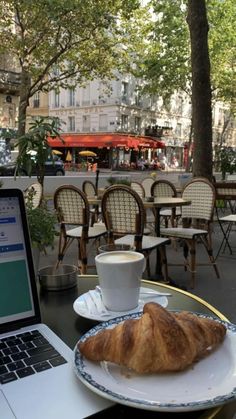
Pretty much everything I’ve written to date has been about the differences you would encounter working in France. As most of us don’t spend all our time working or thinking about work, I thought it would be good to describe things that are tangentially part of a working life. For example, how do most Parisians get to work? Answer: we walk, ride bicycles, or take public transportation. Paris is geographically the same size as Boston, and it’s a walkable city. But the population of Paris is 2.1 million and the population of Boston is 650,000.
Most Parisians don’t own cars. We don’t need them. Think of how much money you would save if you didn’t need a car: no car payment, no insurance, no excise tax, no mechanic’s bills,etc.
Added to that is the price for a gallon of regular no lead in Paris – about $8. Why does it cost so much? It’s because the government uses gas taxes to subsidize road maintenance and the public transportation used by a majority of Parisians when we’re not walking. I’ve never seen a pothole on a Paris street. A single ticket for the bus, the subway or the tramway costs $2.30. When you’re working, companies are required to provide half the cost of a monthly transit pass, so the cost to the employee works out to about $45 per month.
Is the transit system handicapped accessible? The buses and tramway are, but the Métro (subway) is only partially accessible. Some stations are and others are not and because most are not, I’d say that the subway system isn’t because it won’t work if you need to enter or exit at a station that isn’t accessible. One of the commitments that Paris made in its bid to host the 2024 Olympic Games was to have a handicapped accessible public transport system to all the sites to accommodate the expected three million visitors with handicaps. They have until July to make that happen.
Is there anything different about walking in Paris? Compared to where? It’s a beautiful city, and the city spends a lot of money to keep itself clean. There are still city employees who sweep the streets and sidewalks and the gutters are washed every morning by a system that takes water from a reservoir in the suburbs, pumps it through the city street gutters and then empties it into the city sewer system. So there’s the beauty. In general, it’s a safe city. During the day, you can walk in any neighborhood; although there are some neighborhoods I’d avoid at night.
But it’s a crowded city and at certain times of the day walking in Paris can be like driving in rush hour traffic except that when you’re walking, at least you keep moving. There are other hazards: for example, “phubbing,” which refers to people looking at their phones and not where they’re going. At its origin, it may have been English because of the “ing.”Or one of my favorites here in the “City of Love”: couples who are walking together and just stop to kiss. Politeness requires that you try to walk around them.
And when we think of Paris, we think of sidewalk cafes. I enjoy them and have my favorites. As the name implies, they take up space on the sidewalk. City ordinances require that the restaurant or cafe leaves a meter distance between the tables and the curb so that pedestrians can walk by. The meter is frequently occupied by baby strollers or waiters either taking orders or delivering food and beverages.
In case you’re thinking that the solution is to walk in the street, close to the curb, you no doubt weren’t aware that what had been curbside parking spaces are now frequently occupied by cafe or restaurant tables because the city has found that it can get more revenue from renting the parking space to a cafe than from parking meter fees.
If you try walking in the street in the space beyond the cafe tables, you’re probably walking in a bicycle lane which can be particularly dangerous because the cyclists believe that the rules of the road apply to them only when there’s a police officer there. I suppose the logical inference here is that it’s not a good idea to walk in Paris given the hazards. No: Parisians will continue doing it because we have our own logic, which concludes that walking lets us enjoy the city’s beauty and gives us something to complain about. The perfect twofer.
Blog Entry: May 31, 2024
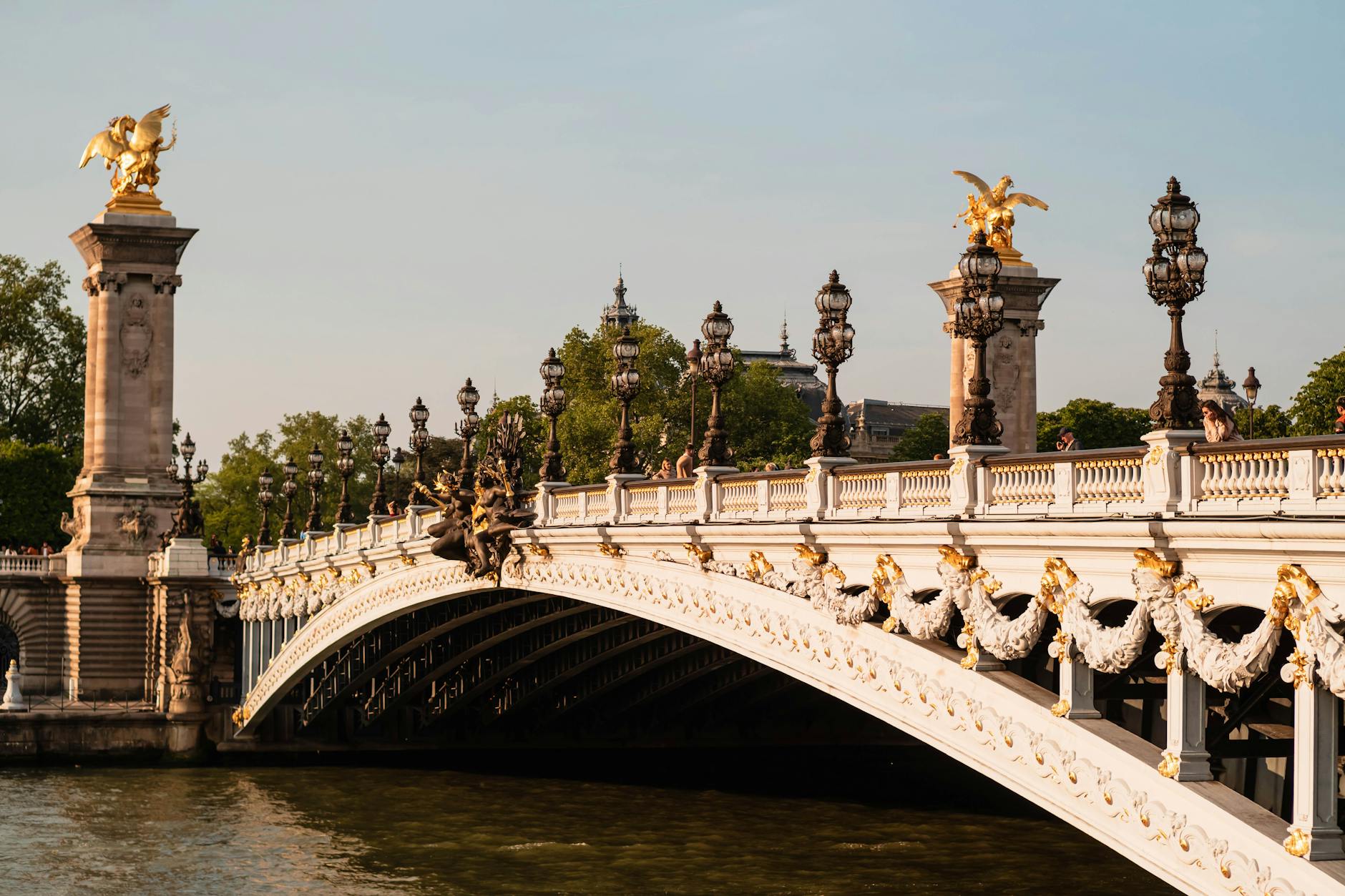
I retired here in France thirteen years ago.
I resigned from different companies in the US, but as I retired only once and that was here, I can’t compare different retirement experiences. Like many other aspects of working in France, there are government requirements for services that medium to large size companies must provide to their employees. For soon-to-be retirees, the requirement is that the company provide retirement counseling.
My retirement counseling comprised two meetings with a consultant: the first, financial and the second, how to plan for and spend your free time. The financial part is something that you’ve hopefully been planning since you began working. The counselor is there to give you an idea of what your monthly income will be based on your French public pension, private pensions, and any foreign pensions; for example, US Social Security.
Also, what you need to plan for as you get older. If you’re confident that you’ll be able to meet your expenses based on the counselor’s estimates, you move on to the second part of counseling. In concluding the financial discussion, the counselor asked me to be able to discuss and to have rough plans for two projects (large and small) that would occupy my time for a good part of the rest of my life.
When I finally retired, the company had a large party to say good-bye and wish me well. That was not a government requirement. I was the company’s first retiree. But that got me thinking about another distinction between companies where I worked in the US and my French employer. There’s a French word, “un pot” ‘pronounced, poe’ which is a pitcher of wine, but has come to mean a gathering to celebrate something.
We had many pots: whenever one project team wanted to celebrate something, they would hold a pot and invite everyone working at the site to join. As an unwritten rule, they would begin at 6PM. Dinnertime here usually starts between 7:30 and 8:00. People would come to work at different hours, but generally everyone would be there at 9:00. At the pot, there would be a choice of beverages: alcoholic and non-alcoholic, plus food that the organizers would provide. There was a tradition that senior management would keep cases of wine in their offices to give bottles to project teams holding pots.
Pots were a great time to discuss work ideas in addition to getting to know colleagues while sharing glasses of wine, cheese, and other goodies. As it was an international company, we would have employees from other countries visiting, which would be another reason to have a pot. I still have a memory of the reactions of a team from Vancouver. I asked one of them if they had pots in Vancouver. He said yes, and said he would send me a video. He did and I noticed something different. In Vancouver, there was a large table where employees would help themselves to food and drinks, but then they would go back to their cubicles. No conviviality. Sorry Canada: that’s not a pot, and it was one more reason why I wanted to stay in France.
Blog Entry: May 24, 2024
This week, I was planning to write about how French companies help employees plan for retirement, but then something completely unexpected happened. Last week, I wrote about the AI engineering shortage in France and the US, and how in France it wasn’t a major item in the news because the technology sector is not as important in the French economy as it is in the American. Then, in the middle of the week, President Macron gave a speech about the importance of artificial intelligence (intelligence artificielle in French) and outlined a program to make France “a champion of AI.”
His program included increasing the number of people being trained to use AI to 100,000 per year from the current 40,000. He didn’t say how this was going to happen, which wasn’t surprising because in France, presidents give speeches with overall goals, but prime ministers work out the details. The prime minister will have his hands full.
One of the problems the country has been facing the past few years is a lack of teachers at all levels. Every fall, when the kids return to school, there are stories about parents complaining that their children aren’t receiving the education the parents thought they would because too few teachers were available. The lack is the result of several factors.
Teachers’ salaries have not kept pace with the rate of inflation. All teachers in the public school system work for the national Ministry of Education. Having a national ministry ensures nationwide equality of education, but also creates a lot of paperwork. In the past, there were other employees in the ministry to handle the paperwork, but with computers and local area networks, the ministry reduced the number of employees and gave the work to the teachers. The sad result is that there are fewer college graduates applying to be teachers. Another problem that needs to be addressed is French engineering graduates leaving France to work in better paying jobs in the US.
The advantages here are all the president’s. If the program is a success, the president takes the credit; if it’s a failure, it’s the prime minister’s fault. The president elaborated on further upcoming efforts in France’s AI strategy. France would build data centers to store the information required by AI platforms. It would also work with Microsoft, Amazon, and Google to build factories for manufacturing AI semiconductors in France.
It is noteworthy that the president doesn’t see French companies competing with the industry giants who pioneered AI. When I think of the early days of the computer and all the companies manufacturing them, this seems strange. It was normal to have many competitors in the same market, and to then have the number reduced to the top one or two. But AI is different: it costs a lot more to develop.
He made one final point that I found interesting. He called for the development of programs to make the French people aware of the benefits of AI so that they wouldn’t be afraid of it. When robots first appeared, the French concluded that they would take away jobs and protested against them. As a result, there was no government sponsored initiative to promote the development of a robotics industry in France. He perceives AI as a boost to the economy and doesn’t want France to lose an opportunity for future growth.
Somehow all of this is going to happen and be crowned at a “Summit of Artificial Intelligence” in February 2025 in Paris. This won’t be the first international AI summit. Summits in the past meant national leaders meeting to try to resolve issues such as nuclear disarmament. Past AI summits were meetings of AI professionals and business leaders where the former explained to the latter how to integrate AI into their businesses, trends in AI, data security with AI, and developing the expertise in a business to ensure a smooth transition.
No part of the program was set up to convince the giants to set up shop in the host country. The agenda for the French summit has not yet been published. No doubt, the prime minister will either figure out how to achieve what the president wants or will draft language that will make it appear that he has.
Stay tuned.
Blog Entry: May 16, 2024
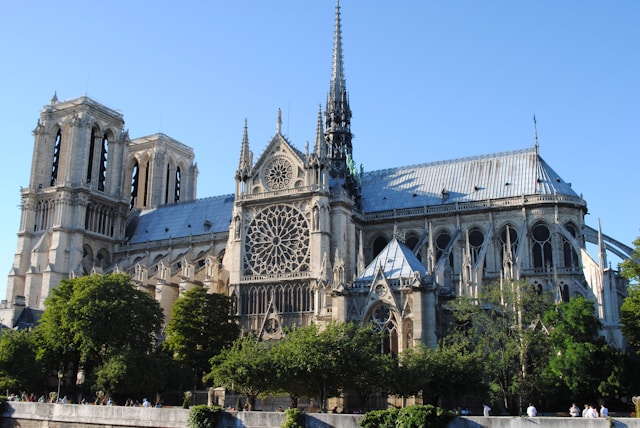
Notre Dame – Paris – Image Source: sandip-roy-baA_F4zHxDo-unsplash (1)
Blog Entry: May 10, 2024
You had a really good idea about AI and engineering shortages so I did some more research and found that there is one, but no one seems to be worried about it because France is not competing to monopolize the development of AI platforms.
US companies have reported increasing difficulties in recruiting engineers, and with the advent of AI the problem has grown worse. We can compare the problem in the US with a similar problem in France, but before doing so it’s important to point out differences between the two countries’ economies and specifically the position of software development and AI.
The US has been the world’s leader in developing computer technology (hardware and software) since World War II. We still, however, owe thanks to the Englishnman Alan Turing for his pioneering work.The US is also the leading country for developing medical equipment such as MRI technology. France is better known for luxury goods: jewelry, fashion, leather goods, perfume, etc. Something that surprised me in recent years was how France was able to find the skilled tradespeople necessary to rebuild Notre Dame after the fire in 2019. The work is scheduled for completion in December. You might think of that as a long time, but it took 182 years to build the original. They were able to do this because there are Voc-Ed programs for the restoration skills necessary to repair châteaux and cathedrals.Thus a shortage of software engineers in France will not receive the same attention as it would in the US because their role in the nation’s economy is not as significant.
There is a computer software industry in France, but it is not a developer of platforms. There had been a computer hardware company, Honeywell-Bull, but they stopped manufacturing computers in 1991. Platforms provide the foundation upon which applications are built; for example, Linux and MS-DOS. For AI, the best known platforms are ChatGPT, Google Bard, and Microsoft Copilot. These were all developed in the US. French companies are developing applications to work on top of the platforms to meet the needs of French businesses and government agencies. In 2022, there were 590 AI start-ups in France showing that the new technology has taken hold, and investors are willing to provide the necessary capital to get the new businesses up and running.
But what about an engineering shortage in France? In a recent survey, 67% of French businesses said they had a problem recruiting qualified engineers. In gross numbers, businesses try to recruit 60,000 engineers a year while French universities are graduating 47,000. Additionally, graduates of good engineering schools in France find the higher salaries in the US attractive and are more motivated to help the US meet its engineering shortage than to stay in France. Some other interesting numbers: Indian universities graduate 350,000 engineers a year and Chinese universities 600,000. I had to research this because the problem has not been considered to be significant enough to be newsworthy.
Another mitigating factor: France is part of the European Union, an economic and political union of 27 countries. Citizens of any country in the European Union have the right to work and reside in any other country in the European Union, allowing France and other member countries to recruit qualified foreign workers without having to endure the hassle of applying for special visas. When there aren’t enough qualified engineers available in France, recruiting them from EU countries is an option. As usually happens, some French businesses will prosper and some will fail. Although France is undertaking a program of reindustrialization, I’ve seen no discussion about France becoming the world’s leading developer of AI platforms. In spite of an engineer shortage, AI will contribute to economic growth. The alarm bells would ring more loudly if there was a blight that wiped out all the grape vines in Champagne.
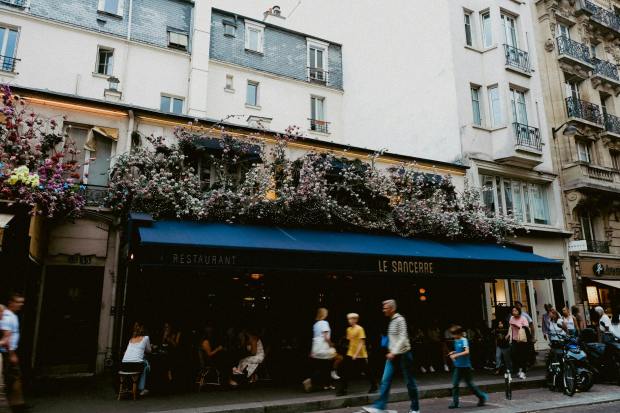
Hello! It’s a beautiful spring day here in Paris and I’m going out for a walk, which will help me remember what I love about living here. Hope you’re having a good day, too. Here’s an article about Advancement.
In France, how do employees advance in their careers? Another good question, but with an answer you no doubt have already heard many times in response to other questions: it depends. For one thing, It depends on whether you are working in the public sector or the private sector. In the private sector, it depends upon your company’s policies and procedures for evaluating and promoting employees with little or no interference from the government. Public sector employment and promotion are governed by civil service rules.
I worked for the same private sector company for thirteen years until I retired thirteen years ago. As an aside, the retirement age with full pension benefits used to be 62. Last year, the government raised it to 65 and had to put up with massive demonstrations opposing the proposed “reform.”
I was a manager of three technical documentation / user assistance teams. No one gave me a handbook or a set of rules and regulations for managers. I based my ideas on management on what worked best for me and colleagues before becoming a manager.
Part of my responsibility was to help my direct reports plan their careers including making them aware of additional skills they would need for additional responsibilities and finding training for them to acquire the skills.
The company paid for the training. I would have a weekly meeting with each employee, quarterly meetings to review progress toward agreed-upon objectives and an annual performance review. The weekly meetings were for discussing progress on specific projects plus provided an opportunity for each of us to discuss ideas we had that we thought would be beneficial, either for the employee’s career growth or for the company as a whole.
At the annual performance review, I would evaluate each employee based on their level of attainment of the objectives we had formulated at the beginning of the year. The objectives included both the quality of their everyday work plus their progress toward acquiring the new skills they would need to advance in their careers. I also asked what I might do to be a better manager for them.
One exception to the lack of rules was that when an employee failed to meet annual objectives, the manager was required to develop a performance improvement program to include training for the employee.
Many of my employees advanced in their careers. Sometimes they were promoted to higher levels of technical writing. Some became managers; others became software developers. One thing to note: there was no general knowledge within the company of newly available positions for which current employees might apply. I would discuss my employees’ readiness for advancement with my manager, a VP.
My knowledge of the public sector is based on knowledge of employment for teachers and professors. In France, all public schools, from nursery school to university are run by the Ministry of Education. The Ministry of Education is the country’s largest employer. This includes 717,000 teachers and 1,052,700 total employees. For comparison, there are about 200,000 active duty military personnel.
There are different titles and grades for teachers in primary schools, teachers in secondary schools, and university professors. Advancement in the field of education differs in that available positions are publicly advertised and current employees apply for them. The availability notice will include a list of requirements including number of years of education, and number of years of experience in a related field. Educational requirements usually take the form of “Bac + x” where “Bac” is a high school diploma and x is the number of years of education at a university. For candidates who meet the requirements, there are competitive exams including an oral presentation.
In the private sector, what seemed to be the best predictor of an employee’s prospects for promotion was the individual’s enthusiasm and ability to take the initiative. In my experience, that’s not unique to France – it’s universal.
Blog Entry: May 3, 2024

What’s a Typical French Employee Benefits Package?
Good question: but let me ask you one in return, “What’s an employee benefit?”. When Americans think of employee benefits, one of the major benefits in a package is employer subsidized health insurance.
In France, every citizen and every legal resident has government (national) health insurance and all businesses are required to provide supplemental health insurance to their employees. The national health insurance system is paid for with our taxes: our individual taxes, plus taxes on businesses. So is health insurance an employee benefit? Is having a fire department in your city a benefit or a service?
Here’s how the system works. The national health insurance pays about 2 ⁄ 3 of a medical bill that could include doctors’ appointments, hospitalizations, lab fees, transportation, eyeglasses, hearing aids – pretty much everything. Depending on the supplemental health insurance (la mutuelle) an employer provides, most of the rest is covered.
When you go for a medical visit, you pay the doctor and give her your health insurance card – La Carte Vitale. The doctor inserts your card into a card reader which transmits your personal data and the fee amount to the payment center and the mutuelle. You are then reimbursed within a couple weeks. No co-pays; no lifetime limits. When you go to a pharmacy for a prescription, you don’t pay anything.
An appointment with your GP will cost between 70 and 80 euros – 1€ = $1.07. An appointment with a specialist will cost between 100 and 120 euros. Wondering why it costs so little? Or, that’s what I wondered when I compared it to when I needed to see a doctor in the US while I was visiting family several years ago. French students at French medical schools or any French university pay no tuition, so they don’t graduate with a lot of debt. Foreign students at French universities pay tuition. Doctors have more control over your treatment here without having to argue with insurers. That results in savings because the doctor doesn’t have to hire personnel to work with the insurers.
But getting back to the earlier question: Is health insurance a benefit when it’s partially paid for with your taxes and the rest is a requirement imposed on the company? For me the benefit was not the fact that my company was paying for part of my health insurance, but with the government program plus the private program, I didn’t worry about one catastrophic illness bankrupting me. I knew that if I lost my job, I wouldn’t lose my health insurance. I found reducing worries to be a greater benefit than anything I could associate with a dollar amount spent by the company.
What about other benefits? In an earlier post, I already wrote about the Comité Social et Economique which organized subsidized travel, provided vacation rentals, free legal assistance, and discounts at major department stores. I took advantage of that and enjoyed it, but the fact remains that the company was required to do that by a law passed in 1945.
France has a program like Social Security. It’s a bit more complicated because it’s France. Employees and employers each pay a certain amount into the fund, and when you retire you collect a pension. Depending on the profession in which you work, you also pay into a “Convention Collective”. If you change companies, you take the credits with you and receive a second pension based on your credits. You don’t lose pension rights when you change jobs.
I was given a monthly public transportation pass for the buses and trains in metropolitan Paris. Sounds like a nice benefit and when it was raining heavily, I used it. Not so fast: this was also a requirement. The company had to provide either a parking space for employees with cars or a transit pass for employees without cars.he countries’ labor laws are different enough so that from an American point of view, a French employee has the same benefits as an American employee. A French employee, however, wouldn’t consider them benefits. They would consider them their rights as employees.
Blog Entry: April 26, 2024
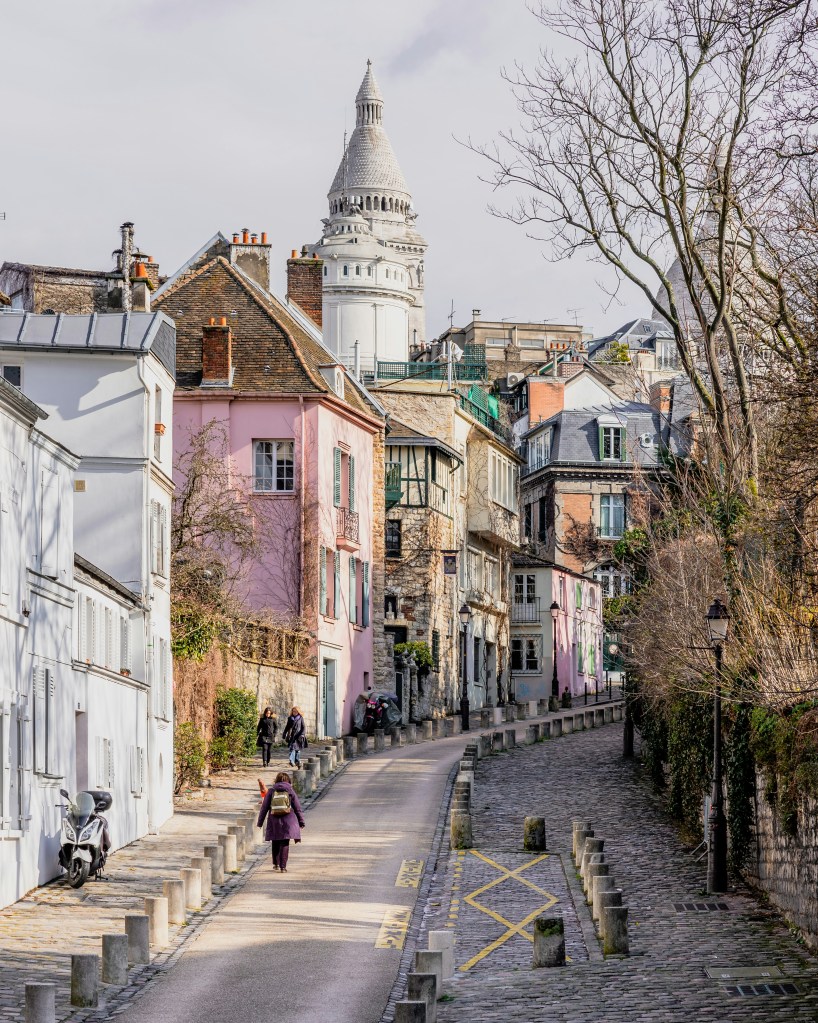
Image: Rue de l’Abreuvoir, Paris, France – source: Jeff Frenette on unsplash
Bonjour, Here’s an article about unions in France – Thanks for the idea.
Here are some answers to questions that you may have about working or life in general in France. If you have other questions or comments, I’ll reply to them.
Are there unions in France?
Yes, there are, but they are organized differently than in the US. In the US, with the exception of the Teamsters, all unions are part of the AF of L-CIO. In France, the unions compete with each other and can represent different groups of employees in the same business. The unions are:
CGT – Confédération Générale du Travail* – It used to be part of the French Communist party and its members still refer to each other as “Camarade.” Founded in 1895, it has the largest total membership, but is second to the CFDT in private sector membership.
CFDT – Confédération Française Democratique du Travail – Founded in 1919 as the CFTC (Confédération Française des Travailleurs Chrétiens), which was part of the Christian Socialist movement, it became secular in 1964, changing its name to CFDT.
Sud-Rail – A union of railway workers founded after a railroad strike in December 1995, splitting from the CFDT which had voted to accept the offer negotiated with railway management.
Force Ouvrière** – Split from the CGT in 1948 after a coal miners strike because they didn’t approve of the links with the Communist party. There was indirect financial help from the CIA.
FEN and FSU – Two unions representing employees of the National Ministry of Education. All public schools in France, from nursery school to universities are run by the national ministry.
*French vocabulary – Travail means work. The origin of the word in French comes from the Latin word tripalium, which was a 3 pronged instrument of torture used to flail those condemned to be skinned alive. A travailleur or an ouvriè!re is a worker.
There are periodic union elections that determine how many representatives each union will have in negotiations with management. I do not have French nationality and cannot vote in French elections for government offices. As an employee of a French company, however, I was able to vote in union elections.
Strikes in France are frequently in the news. There are comparatively very few strikes in the private sector. Most strikes are in the public sector. In the US, unions vote for strikes when negotiations with management fail. In France, unions strike to convince management to negotiate.
As most strikes are in the public sector, management is the national government. Again because it’s the public sector, the unions call strikes when the inconvenience for the public is greatest, hoping that the public will pressure the government to negotiate. The railway workers are most likely to strike at the beginning and end of either July or August or right before Christmas. Most French families take a month’s summer vacation in one of the two months – particularly in August, so from the union’s point of view, this is the perfect time to strike. The baggage handlers at the airports are also likely to strike at that time.
An embarrassing past strike in the private sector was in 1998, when the Air France pilots went on strike. That was the year that France hosted the soccer World Cup and put one of the world’s most widely anticipated sporting events at risk. A possible upcoming strike has been recently announced. The air traffic controllers at the French airports are threatening to go on strike this summer when France is hosting the Olympic Games. The government and Olympic organizing committee thought it had negotiated a truce with the public sector unions, but… The Olympics start in mid-July: stay tuned.
Blog Entry: April 20, 2024
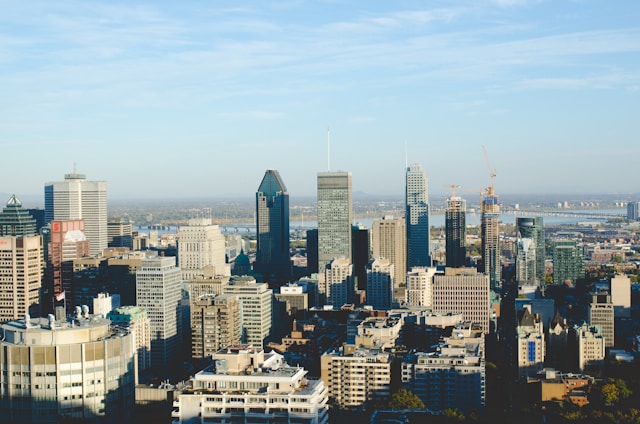
Montreal, Canada – Image Source: Andrew Welch, Unsplash
Here’s a posting about French employees working in a foreign country (Canada) and making comparisons between the two styles of management. I haven’t thought about what I’ll write about next.
Earlier this week, I read an article in Le Monde, a French national newspaper, about the French French (as opposed to Canadian French) living in Montreal. There are about 200,000 which makes Montreal the city with the largest French population outside of France. When French news magazines write occasional articles about the American dream, they usually include Quebec and give tips on how to immigrate to Canada. The Le Monde journalists interviewed French citizens living there primarily about working in Canada vs. working in France. The interviewees agreed on several points.
For one thing, it was easier to find work in Canada than in France. As a comparison, the unemployment rate in France is 7.5%; in Canada, 6.10%; and in Quebec Province, 4.5%. But they also pointed out several differences between Canadian and French employers that made them happier working in Canada.
They reported that French employers are more concerned with your diploma than with your work experience. That you may have had ten years experience as a software engineer doesn’t count as much as a diploma from a college of engineering. This relates to the idea of ‘métier’ (skill or competence) that I described in a previous posting. The point of that article was that the person with the skill makes the decision. But in this instance, the determination that the person has the skill is based on their having the right certificate.
French employers are hesitant to hire applicants working for another company wanting to join their company. The French employees where I worked all planned to stay at the company for their entire careers. The employers shared that expectation. I’m now retired, but still get together for lunches with former colleagues. I ask about people I know and the large majority are still working for the company.
An employer will make an exception in situations where the applicant chooses to relocate to accompany a partner whose company transferred them. It is also common for employees to want to transfer to a different company location. My company had major sites in Paris, San Jose, Bangalore, and Vancouver. I helped several colleagues write their CVs in English so they could apply to work at our San Jose site. In the final years before my retirement, the company was acquired by a large German software company and some German managers said that they wanted to work in Paris because they loved foie-gras.
The interviewees also pointed out that management in French companies tended to be more hierarchical and vertical. In Canadian companies, it was more collegial. Working for the Canadian company gave them the ability to make a decision working in groups that included employees with different levels of responsibility. Again, the French company where I worked felt very much like an American (or Canadian) company in that regard, but I’ve heard stories from friends working in more traditional French businesses – banking, for example – that were examples of rigid hierarchical management systems.
One interesting note that the reporters didn’t cover would have been the opinions of French people who went to Canada, found work, but decided that they wanted to return to France. As that can happen as well, it would have made for an interesting comparison. At my company, employees who transferred to San Jose sometimes returned to work in Paris. In most cases, it was because they had children of school age and wanted to raise and educate them in France. Also as my company had American style management, they wouldn’t have been able to react to different management styles.
Blog Entry: April 13, 2024
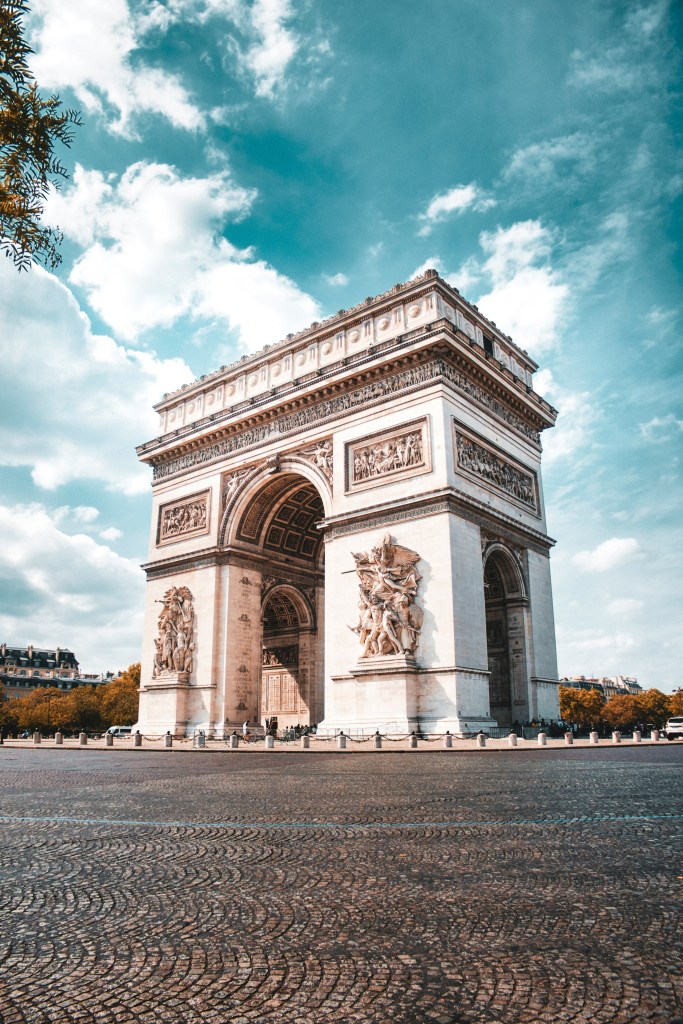
Arc de Triomphe, source Bastien NVS on Unsplash
Here’s an article about les Comités Economique et Social which are probably going to feel foreign to people working in the US. Or maybe, someone will think that we should do something like that here.’ Having lovely weather.
Le Comité Social et Économique
OK – I’ll translate that for you – The Social and Economic Committee. Until 2018, they were called Comités d’Entreprises (The Business Committees).But unless you’ve worked in France, you probably don’t know what that refers to either. It may be something uniquely French. So, I’ll describe it. If you know of something more or less equivalent in other countries, please let me and the other community members know about it.
In 1945, the provisional government of France, voted a law requiring the establishment of Comités d’Entreprise in companies with fifty or more employees.It was the provisional government because when the Germans defeated the French in WWII, the French Third Republic voted itself out of existence and gave complete authority to Marechal Petain. When the allies liberated France in 1944, it no longer had a government. General De Gaulle became the head of a provisional government without holding an election. The provisional government lasted until October 1946, with the establishment of the Fourth Republic.
The Comités d’ Entreprise were set up to represent the interests of company employees. They have a consulting role with the employer in areas such as the length of work time, individual schedules, use of part-time employees and time-off.The employers do not have to follow the vote of the Comité d’Entreprise, but they do have to inform them of any changes in these areas or in others that could affect the lives of employees such as relocation or outsourcing plans. The Comité membership includes the employer, elected employee representatives, and union representatives.
Another part of the law requires the employer to give at least 0.2% of the total annual amount paid in salaries to the Comité to be used for the benefit of employees. Each employee is given the same number of credits at the beginning of the year. When you take part in a Comité sponsored activity, you use some of your credits.
The Comité in the company where I worked rented vacation lodgings on the Riviera in the summer and in the Alps for the winter. We could get cards giving us discounts in some of the major department stores. There was free legal advice. They also organized long weekend group travel to other European cities. We took advantage of that and visited Seville, Barcelona, Madrid, Prague, and Amsterdam. The Comité points didn’t cover the total cost, and how much you paid out of pocket depended on your annual salary. The higher your salary, the more you paid.
I don’t know what the motivation was for the law, but one of its advantages for me was that it gave me a chance to be with other employees in a non-work setting, which doesn’t happen as often in France as it does in the US. I’m not aware of any research on the subject of whether the Comités motivate employees or in general improve employee morale. I do know that in the French high-tech sector, there is a lot less employee turnover than I witnessed in the US.
Blog entry: April 6, 2024

Here’s a brief article about how the idea of competence plays out in France.
We learn a new language by translating from our native language to the new language and vice versa. And although, the translation may be accurate, unless you know how the « natives » think of it, you don’t really understand the word.
Let me tell you a story. You may have noticed I like doing that. One day after I had recently arrived, I had a headache. I didn’t bring any aspirin or Tylenol with me, so I decided to buy some. Now I already knew that I would need to buy it in a pharmacy and it was easy enough to find one. In France, all pharmacies are individually owned: no CVS or Walgreens. A registered pharmacist may own only one pharmacy.
So I entered a nearby pharmacy and after the obligatory « Bonjour Monsieurs » I told the pharmacist that I wanted to buy some aspirin tablets. In a pharmacy here, medicines (even things like aspirin) are not self-serve. The pharmacist gave me a strange look and asked, « Why. » What was going on here?
Here’s a new French word to add to your vocabulary: métier, which means skill or competence.The pharmacist’s métier is to fill prescriptions when the customer has one, recommend a medicine when they don’t, or tell them to make a doctor’s appointment. By my telling the pharmacist what I wanted, I was not respecting the pharmacist’s métier. My not following custom, not describing my symptoms and asking for his advice, resulted in a longer conversation. After telling the pharmacist I had a headache, he wanted to know if I had taken my temperature, if I had aches in any other part of my body and if I was allergic to any of the ingredients in aspirin.
Here’s another story. In an American restaurant, when you order a dish — swordfish, for example — the waiter or waitress then asks you which sides you want with it such as mashed potatoes or rice. Here, they don’t ask you because the chef knows which sides are the best accompaniments because it’s part of his métier.
I once saw a customer in a restaurant ask the waiter to tell the chef to put extra garlic in the dish that he ordered, and the waiter said ‘No, the chef wouldn’t do that.’
How does this play out at work? In team meetings, it is important to have the advice of all the professionals in the room and an agreed-upon process for reaching a decision. Once the decision is reached, it is a good idea to ask each person to describe what their role will be in implementing the decision.
Blog entry: March 30, 2024

How do we make friends in Paris? Paris is a city where it’s considered aggressive to make eye contact with a stranger. You notice that especially on buses and in the Métro (the subway). Whatever the time, day or night, everyone is studying the screen of their portable phone. At work, of course, we make eye contact with each other and before the Covid pandemic everyone shook hands with everyone else every day. Does that mean that people look for friendships at work? Sometimes, but it’s not as common here as it is in the US. Here, your work is not the most important part of your life.
People are more likely to make friends based on shared interests outside of work. No one asks you “What do you do?” because you wouldn’t know if they were referring to your job or your non-work interests and you wouldn’t know how to answer the question. Going to school is considered to be like work: you’re there to do your best, but not to make friends. There are no high school class reunions in France.
So how do the French, Parisians in particular, make friends? The answer is Associations. An Association is just that – a group of people with similar interests such as hiking, playing Pétanque (like Bocci) , or playing bridge.
In 2001, in the US, the book, Bowling Alone: The Collapse and Revival of the American Community presented impressive statistical evidence detailing that leagues and clubs that flourished in the US had a difficult time retaining their membership. In Paris, however, associations are thriving. There are those that feel as if they have been around forever such as bridge clubs and those that rise and fall with fads like rollerblading clubs. The rollerblading association offered lessons, provided safety instruction and every Friday night led a tour of part of the city. The police cooperated by closing some of the streets to traffic. At its most popular, there would be an average of 30,000 people (close to capacity at Fenway Park- 37,755) going on the tour. We almost never see rollerbladers anymore; they’ve been replaced by cyclists.
In the crowded, urban environment of Paris, almost no one has a backyard, or a front yard for that matter. Land prices are too high to provide most people the luxury of their own yard. Apartments are small and the city is beautiful, so many people spend as much time outdoors as they possibly can – particularly, as there are no black flies, few mosquitoes, and in summer the sun doesn’t set until after 9 PM. And, whatever you want to do when you’re outside aside from sitting alone in a cafe, you can do it with a group of people who share your interests. So in spite of the no eye contact norm, we can’t say that Parisians are unfriendly. We have as much of a social life as anyone else, but we do it within a set of norms that are Parisian. In the organized activity of associations, it is considered permissible not only to make eye contact, but to speak with perfect strangers.
We joined a hiking club because we both liked hiking in the countryside and walking on something other than pavement. When the weather was nice on weekends, we met with other club members at one of the Paris train stations and took the train to the hike’s starting point. We then met the Association’s guide and went hiking through the woods and fields on hiking trails maintained by the national government. Sometimes there were as few as 30 people; one time there were 140. But everyone talked with everyone else and sometimes began a friendship.
On one hike, I met another American named John. We identified each other by our baseball caps. I was wearing Boston Red Sox naturally and he was wearing Los Angeles Dodgers. Baseball caps were relatively new at that time in Paris and when they first appeared, everyone was wearing New York Yankees. They probably didn’t know who the Yankees were, but they knew that NY was New York, and therefore American, and therefore cool. Both of us had been speaking French to that point because aside from John and me, everyone else was French. John started the conversation with, “Red Sox fan, eh?” And I replied, “You’d better believe it. I see you’re a Dodgers fan.” Now this conversation wasn’t about establishing which baseball teams we supported. No, it was to determine whether we were both Americans and one proof of that would be knowing which teams the letters on our caps represented. We were and we did.
After a few more pleasantries, John introduced himself. He was the Paris bureau chief of the Los Angeles Times. Prior to Paris, he was the bureau chief in Delhi and Moscow. So I introduced myself by saying that in addition to being a manager in a French software company, I wrote a “Letters from Paris” column for a newspaper in Shirley, MA where I lived before moving to Paris. We exchanged ideas about what we thought would make good stories for our different audiences and stayed in contact to exchange more ideas during his stay in Paris.
I met my friends in different ways here: by being a member of Associations, by staying in contact with former colleagues, or just by happening to be in a place where someone wanted to talk with me. I’m grateful for all of them.
Note: Image source: Unsplash by John Towner
Blog entry: March 26, 2024
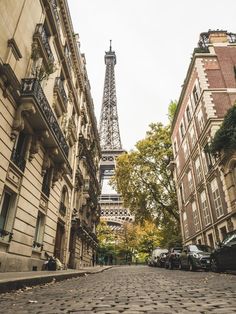
I read an article on the subject of « Onboarding, which we used to call orientation. The quicker a new employee — even you when you’re the new employee — successfully fulfills an assigned role, the better for the business and for the employee.
When you begin a job in a different company, but in your own country, you face one set of challenges. When you begin a job in a different country you face the challenges of being in a new company plus those of living and working in a different country.
How can a business help an employee with the new country challenges so that he or she will be able to have more time for doing what’s key for the success of the business? The company that recruited me did a first-rate job so I’ll describe what they did.
I was recruited by a French company that had its R&D facility in Paris.
Paris has a very tight housing market. Rather than let me spending lots of time looking for a place to live when I arrived, they housed me for three months in an apartment that the company owned to house new employees. There was an office within HR with the responsibility to help new foreign employees navigate their way through the French bureaucracy and to enroll in benefit programs offered by the company. In a first meeting, I signed the paperwork necessary to enroll in the national health insurance system and in the company’s private complementary program. Between the two programs, all my health insurance needs were 100% covered — no deductibles, no co-pay.
The same day, we went to a bank so that I could open a checking account. One of the things you might assume in moving to a foreign country is that you could just walk into a bank and start an account. There are American banks in France, but they don’t provide banking services for individuals. The French banks do, but if they have accounts for Americans, they have to report the amount of money in the account to the US Treasury every year. The banks don’t like the added paperwork, so it’s difficult for Americans to open accounts in French banks. The company had made arrangements with the bank so that they would offer accounts to Americans.
When I arrived here I had a 3-month visa that permitted me to work in France, but I had to renew it. This meant going to the Paris Police Headquarters with a thick folder of necessary documents including things like an electric bill, which is what they accept as evidence that you’re living in Paris. The woman who accompanied me reviewed the list of documents they wanted and told me of a few other documents to bring because the bureaucrats sometimes asked you for something that wasn’t on the list they gave you. She was right. Thank you: one meeting at Police Headquarters was enough.
In the spring of my first year, I had an appointment with an accountant hired by the company who showed me how to complete a French income tax form. Americans living and working here have to file French income tax forms plus US income tax forms. The US is the only country that requires its citizens living ourside the country to file a tax return. The French form is easier: you fill in your income and deductions and they calculate the tax and if you owe anything, they deduct it in monthly increments.
The final thing they helped me with in the first couple months was an appointment with the Medecin du Travail — the work doctor. In France, you have to have an exam in which the doctor signs a form that you are physically capable of doing the work required by the job without endangering your health. The company pays for the visit, but the doctor is not a company employee. The exam seemed like most other physical exams I’ve had until the last few minutes when the doctor asked me a few questions:
Doctor — «Monsieur, Do you drink coffee? »
Me —« Yes doctor. »
Doctor — « How many cups per day? »
Me— « Generally two: one at breakfast and one after lunch. »
Doctor — « Very good, and do you drink wine? »
Me — « Yes, one glass a day with dinner. »
Doctor — « You are an adult male. You should drink two glasses of wine a day, preferably red wine. »
Me — Thank you Doctor: I’ll be sure to follow your good advice. »
Reflecting on my career, there are things that I wish I had done differently and things I wish the companies I worked for had done differently. This one was an exception to that. I wouldn’t have changed a thing. And I’ve done my best to follow the good doctor’s advice.

Blog Entry: March 20, 2024
I began working in a French software company in 1998. I had worked in the US high-tech sector for 16 years prior to moving here. In France, when you are hired, your are either given a temporary contract for up to a year or a lifetime contract with a three month probationary period. I had a lifetime contract.
A tradition is that once you passed the three month period, you had lunch with a senior Vice President to make your welcome to the company official. At lunch, the Vice President told me that the success of the company was due to hiring top quality French engineers, and either English or American managers or French managers who had studied or lived in the US because the innovation required in software development needed the American style of management. In other words, I’d have no trouble fitting-in.
In companies where I worked in the US, there was always a book swap and I used them regularly. There wasn’t one in Paris and I thought it would be a good idea. One of the benefits of working and living in Paris is not needing a car. Most days I walked to work (about 30 minutes with the added pleasure of smelling baking bread), but in nasty weather I rode the Metro (subway) and a book was good to have both for the enjoyment of reading and as a way to avoid making eye contact with other passengers because that’s considered impolite in Paris
So, I decided to take the initiative and create a book swap. How to do that? French mid-size and large companies are required to have employee councils and to provide them with funding that they can then use for the benefit of employees. For example, they organized long weekend holiday trips to other cities in Europe and subsidized them: the lower your salary, the greater the subsidy. So I approached the employee council asking them to buy bookcases for the book swap. They agreed and the bookcases were set up in an employee lounge. We informed everyone in English and French of the availability of the book swap and inviting them to participate.
In a month’s time, there were a lot of books in the bookcases, but all of them were English language. About ninety percent of the employees were French. Among Anglos, there were Americans, Canadians, Brits, Irish and one New Zealander. So either French colleagues were reading English language books or they weren’t participating.
As it was originally my idea, I wanted to make it work for everyone and spoke with French colleagues about why there were no French books in a book swap in Paris. And over several cups of coffee and glasses of wine, I learned the answer to a question that I hadn’t thought to ask. The usual comment was: We don’t know how it works.
Let me elaborate with a typical conversation:
Me: « Do you know about the book swap? »
French colleague: « Yes, but I don’t understand it. How does it work? What are the rules? »
Me: « It’s simple: you bring a book; you take a book. »
French colleague: « Can I take a book if I don’t bring a book? »
Me: « Yes and you can bring a book and not take a book. »
French colleague: « Can I take more than one book? »
Me: « Yes. »
French colleague: « Good, then what you need to do is write the rules for the book swap and post them so everyone knows how it works. »
I did that and eventually there were as many French books in the bookcase as there were English books. I learned that French colleagues needed to have rules spelled out in writing before they participated in an unfamiliar activity.
But what’s important here is not the book swap. What’s important is that I didn’t ask the right question at the right time. Imagine yourself in a situation where some things are familiar, but you’re in a new job or a different country. And what you assumed would be similar turns out not to be. How do we learn in this situation? And when do we know when we’ve learned it? You’re not going to get an answer from Google or OpenAI when you don’t know the right question or even that you need to ask a question.
We need to develop our observation skills and if I can editorialize, the more dependent we become on the Internet for information, the less we observe. The Internet can answer our questions, but we need to know what to ask.

 Rosanna M. Nadeau, Performance Coach